
Cutting Without Losing Muscle – How Does Protein Help Maintain Your Physique?
20.08.2026Table of contents
- 1.Why can the body lose not only fat but also muscle during a cutting phase?
- 2.How does protein help preserve muscle mass during a cutting phase?
- 3.How much protein should you include in a cutting diet to maintain your physique?
- 4.When can a protein supplement make it easier to stick to your nutrition plan?
- 5.Great taste and everyday convenience – protein that’s easy to include in a cutting diet
Recommended products
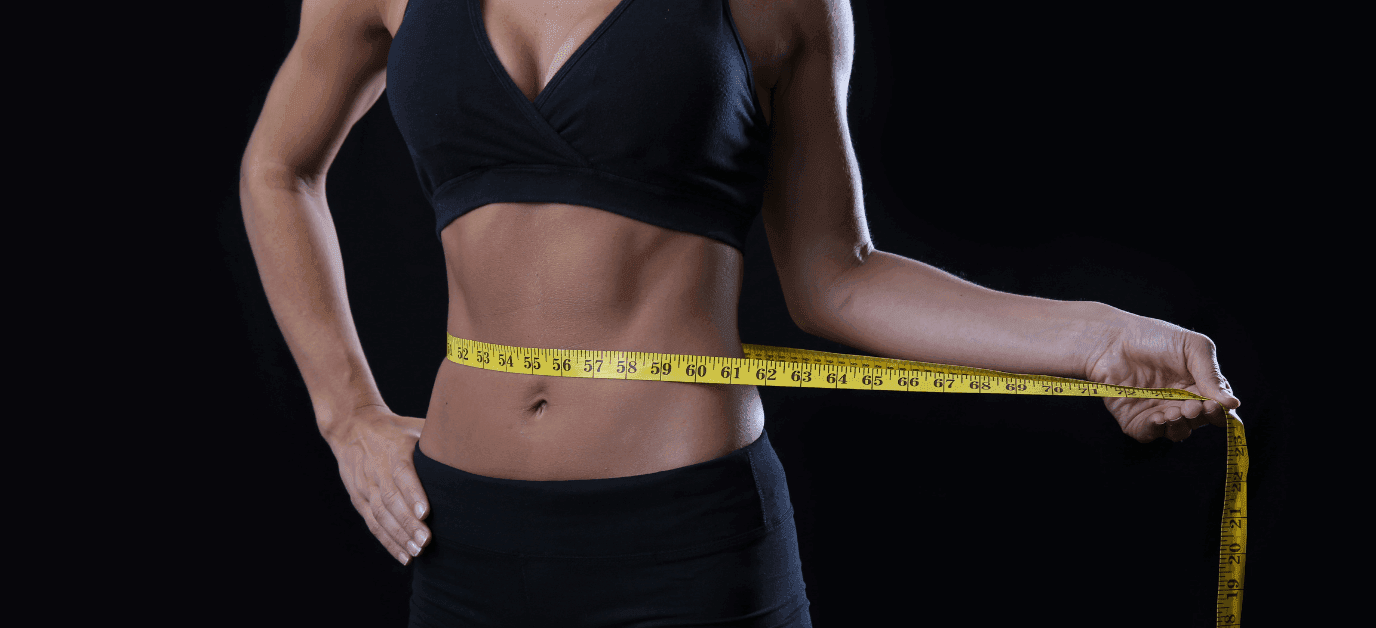
Dreaming of a sculpted physique, but worried that as the pounds come off, your biceps will disappear too? It’s an age-old dilemma: how to support muscle preservation while reducing body fat. The key to success lies not only in training, but above all in what ends up on your plate. Protein helps maintain muscle mass, which is why it becomes an important part of a well-planned diet during a cutting phase.
Why can the body lose not only fat but also muscle during a cutting phase?
A calorie deficit is a warning signal for the body: there is less energy available, so it needs to use it more carefully. In an ideal scenario, the body primarily draws on its fat stores, but in practice, the process is not always that selective. If the diet is too restrictive, meals are low in protein, and training does not provide the muscles with an adequate stimulus, the body may increase catabolic processes, leading to the breakdown of muscle proteins.[1]
That’s why, during a cutting phase, it’s not just the number of calories that matters. The overall quality of the nutrition plan is also important. Losing weight does not always mean improving body composition – sometimes the number on the scale goes down, but the body loses firmness and strength. Muscle is metabolically active tissue, so preserving it matters not only for aesthetic reasons but also for practical ones: it supports recovery, making it easier to stick to your training goals despite a limited energy intake [2].
How does protein help preserve muscle mass during a cutting phase?
During a cutting phase, protein provides amino acids that the body uses for the ongoing rebuilding and maintenance of tissues, even when the energy balance remains negative. For people who exercise regularly, this is particularly important because muscles are constantly subjected to micro-damage caused by training and require adequate nutritional support [3].
How protein is distributed throughout the day also matters. Rather than concentrating your entire intake in a single meal, it is better to include protein in several regular portions. This makes it easier to maintain good overall nutritional quality. It is worth remembering that protein helps maintain muscle mass, which is why an adequate intake becomes one of the foundations of a well-planned diet during a cutting phase [4].
How much protein should you include in a cutting diet to maintain your physique?
There is no single universal amount that will work for everyone, as protein requirements depend on body weight, activity level, and the size of the calorie deficit. People who train regularly are generally advised to consume more protein than would be typical in a standard diet, because during a cutting phase the body operates under different conditions than when maintaining body weight.
If you want to calculate your protein requirements more precisely, it’s also worth checking out our article dedicated to how much protein to include in your daily diet.
It’s important to look not only at the final number of grams consumed throughout the day, but also at consistency. Several well-balanced meals containing a complete source of protein will usually work better than trying to make up for a shortfall in the evening. This is especially important when your schedule is busy and it’s easy to skip meals. Properly planned protein intake helps maintain muscle mass, which is why, during a cutting phase, it’s not only the calorie deficit that matters, but also consistency in building your overall nutrition plan [4].
When can a protein supplement make it easier to stick to your nutrition plan?
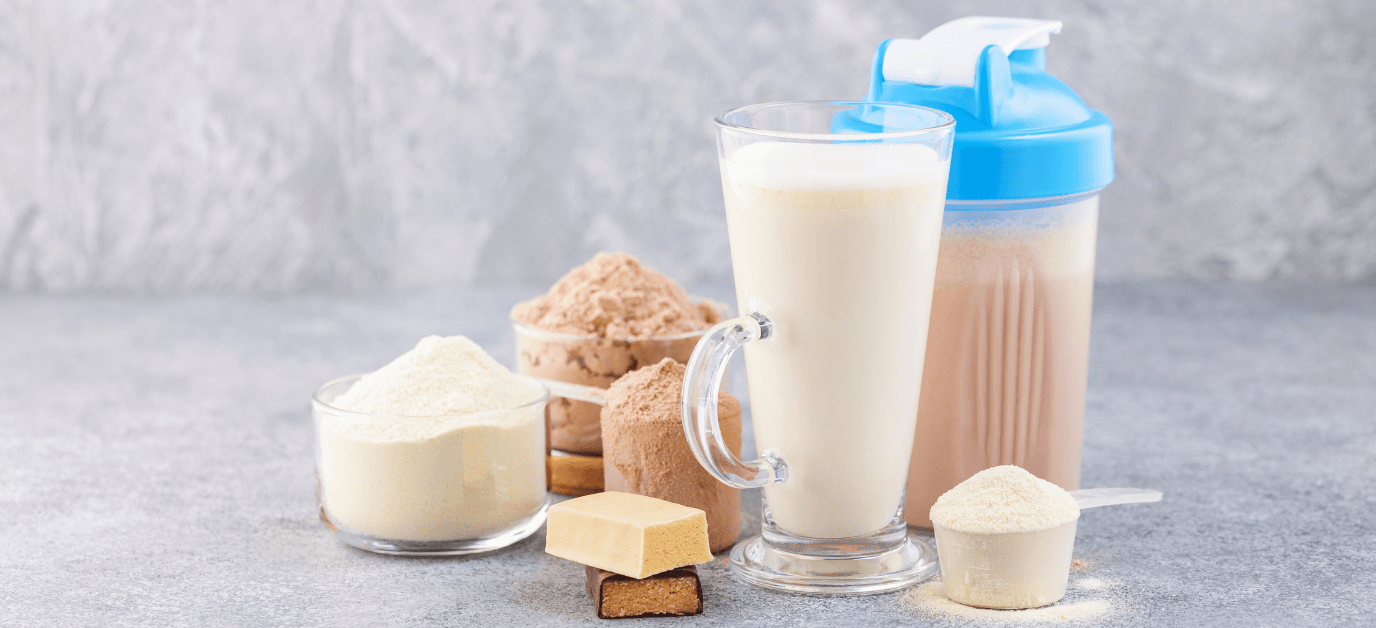
Even a well-structured diet can clash with everyday life: rushing out to work, fitting a workout in between other commitments, not having time to prepare a full meal… In situations like these, a protein supplement can be a practical addition to your diet. It does not replace a balanced diet, but it can help you conveniently meet your protein intake when a traditional meal isn’t an option.
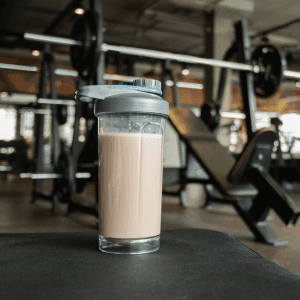
It’s a solution that can easily be adapted to your daily routine. You can prepare a shake after training, take it to work, or use it as an ingredient in a more filling meal, for example by adding it to oatmeal, a smoothie, or yogurt. If consistency and macronutrient control are priorities during a cutting phase, this form of supplementation can simply make it easier to stick to your plan without unnecessarily complicating your everyday choices.
If you’re looking for inspiration, check out our article featuring 6 ideas for using protein in your everyday meals.
Great taste and everyday convenience – protein that’s easy to include in a cutting diet
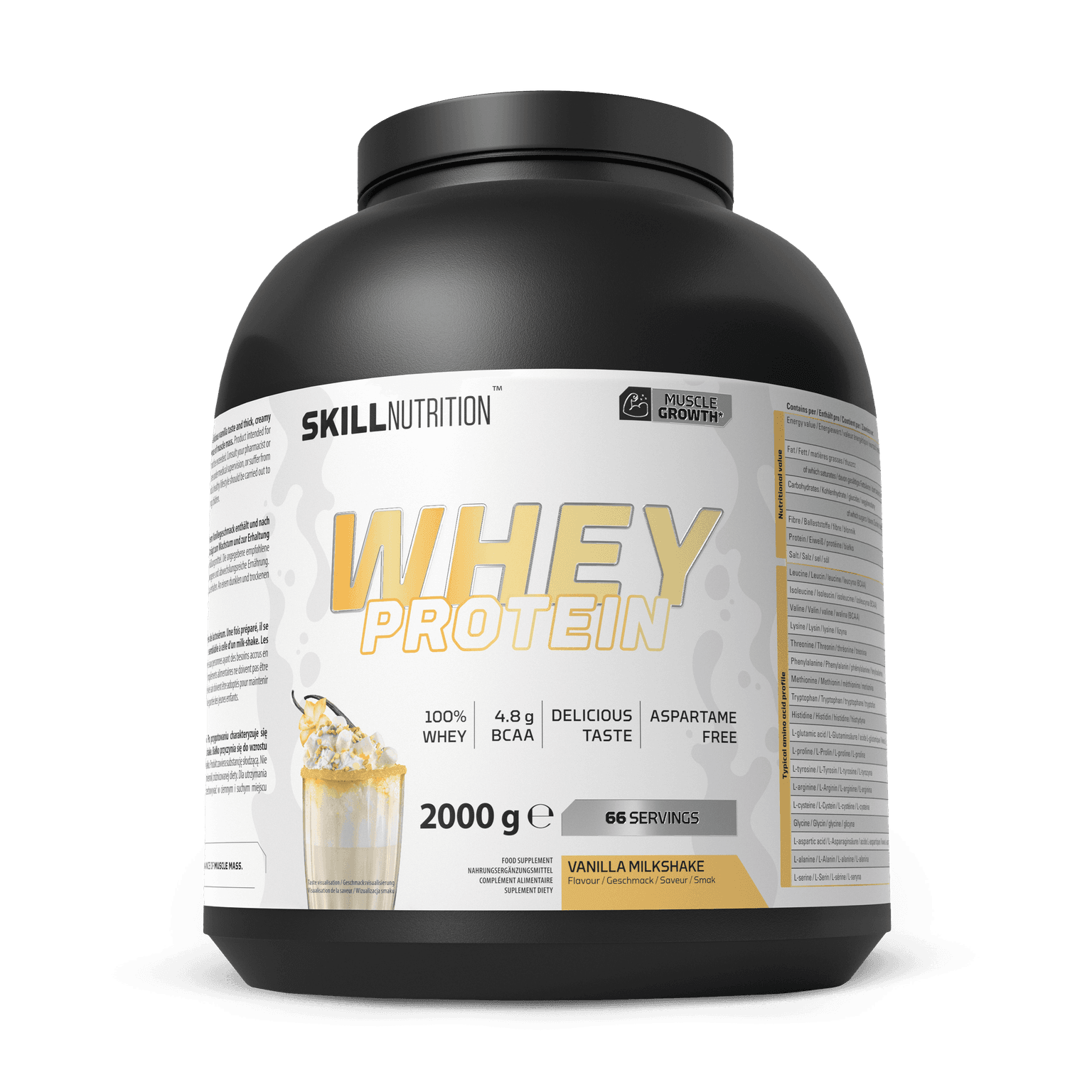
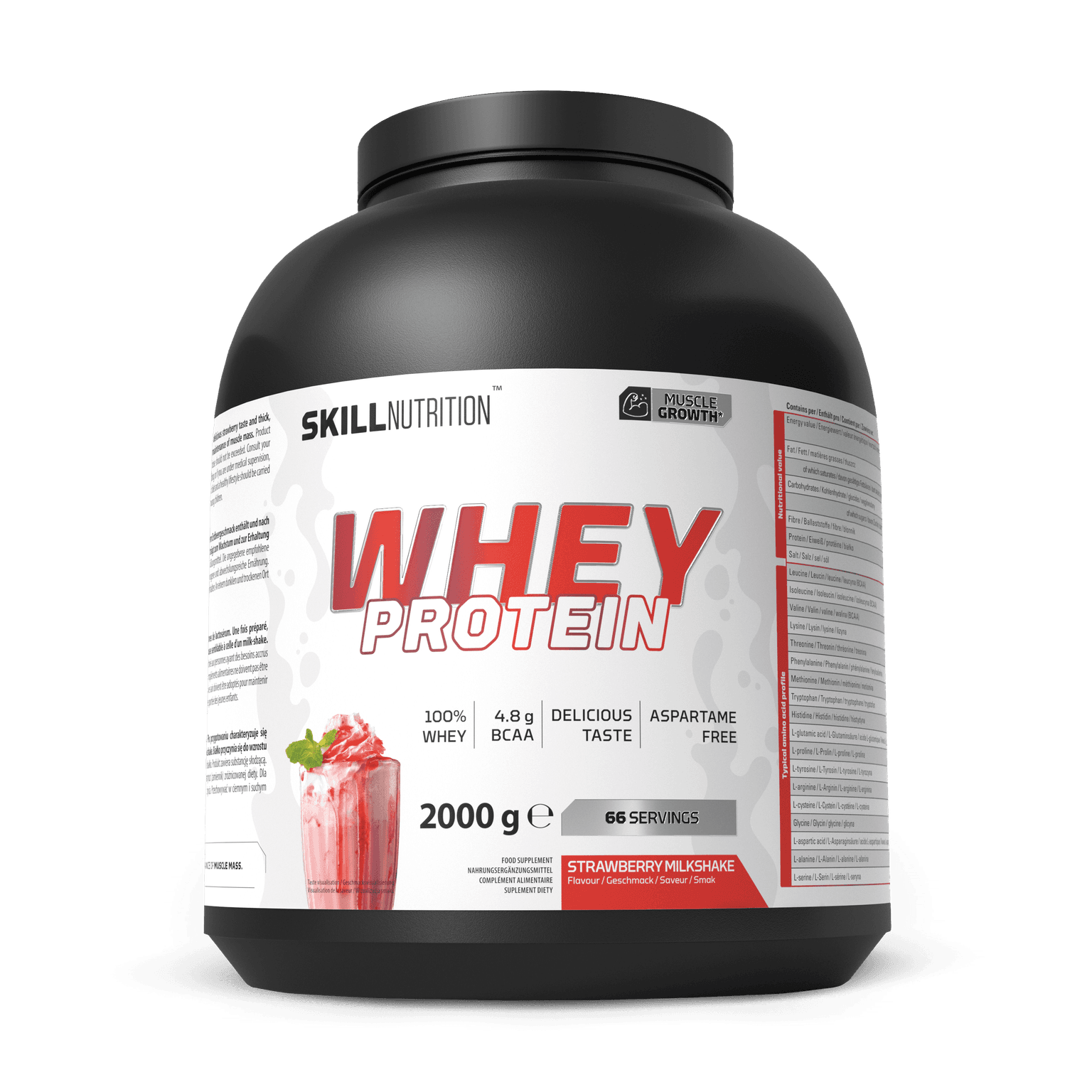
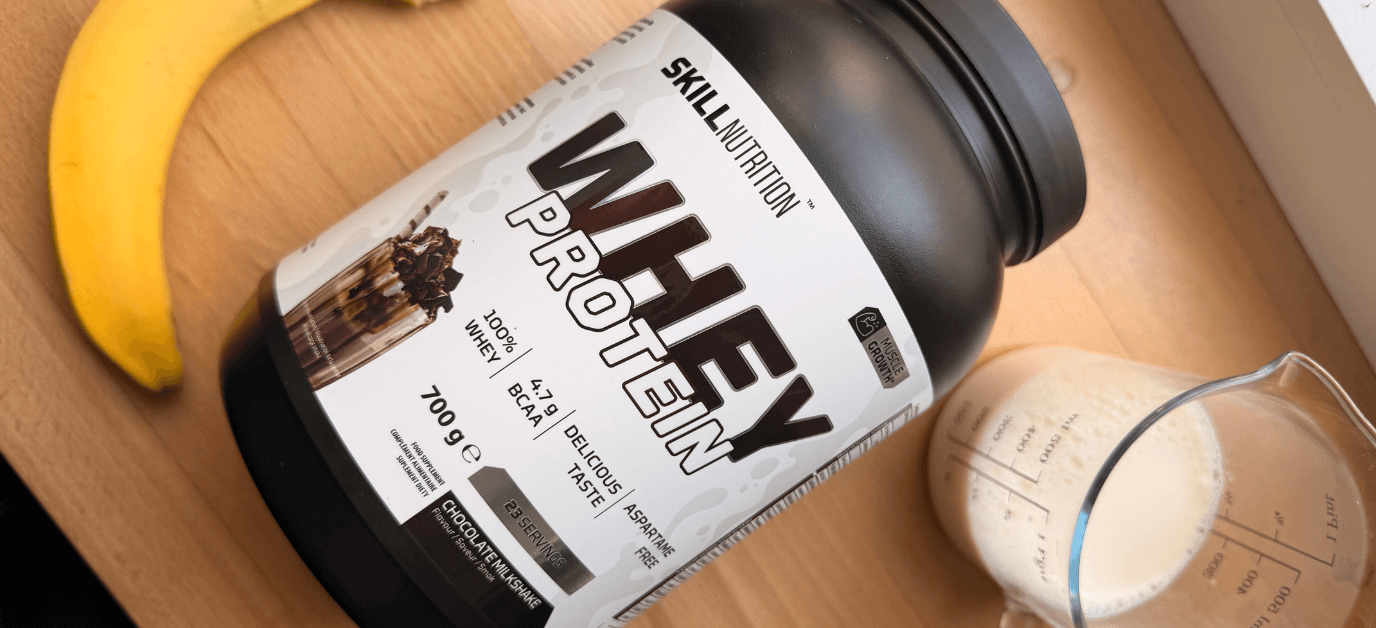
If you’re looking for simple solutions during a cutting phase that help you maintain an adequate protein intake without complicating your diet, it’s worth choosing products that are easy to incorporate into your daily routine while also being exceptionally tasty. At Skill Nutrition, you’ll find supplements to suit different preferences:
- Strawberry Milkshake – a lightly dessert-like, fruity flavor profile that works well in morning smoothies and simple breakfasts based on oats or yogurt.
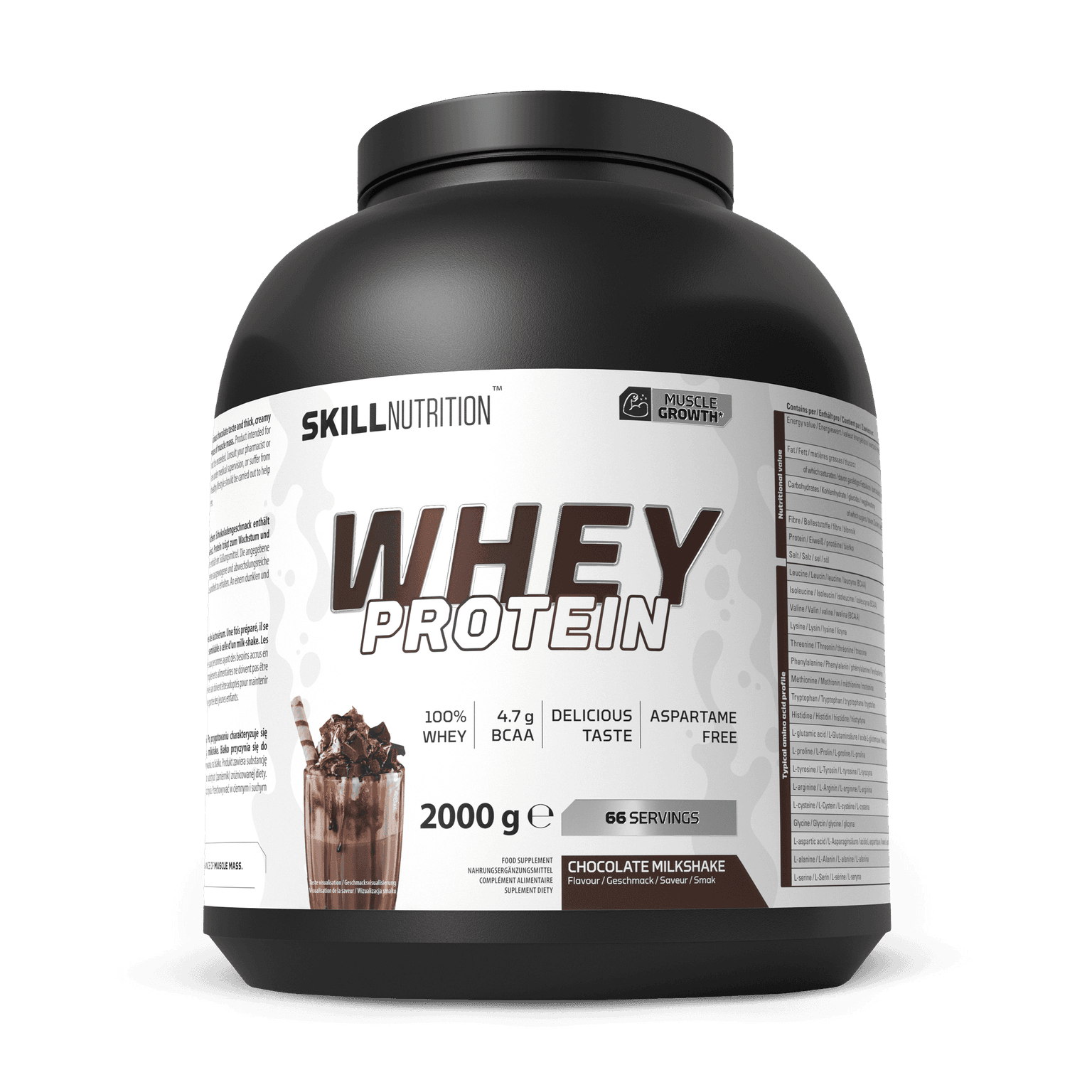
- Chocolate Milkshake – a classic option for those who enjoy a more pronounced flavor and like using protein in homemade fit desserts as well.
- Vanilla Milkshake – a versatile option that is easy to combine with a wide range of ingredients and incorporate into everyday meals.
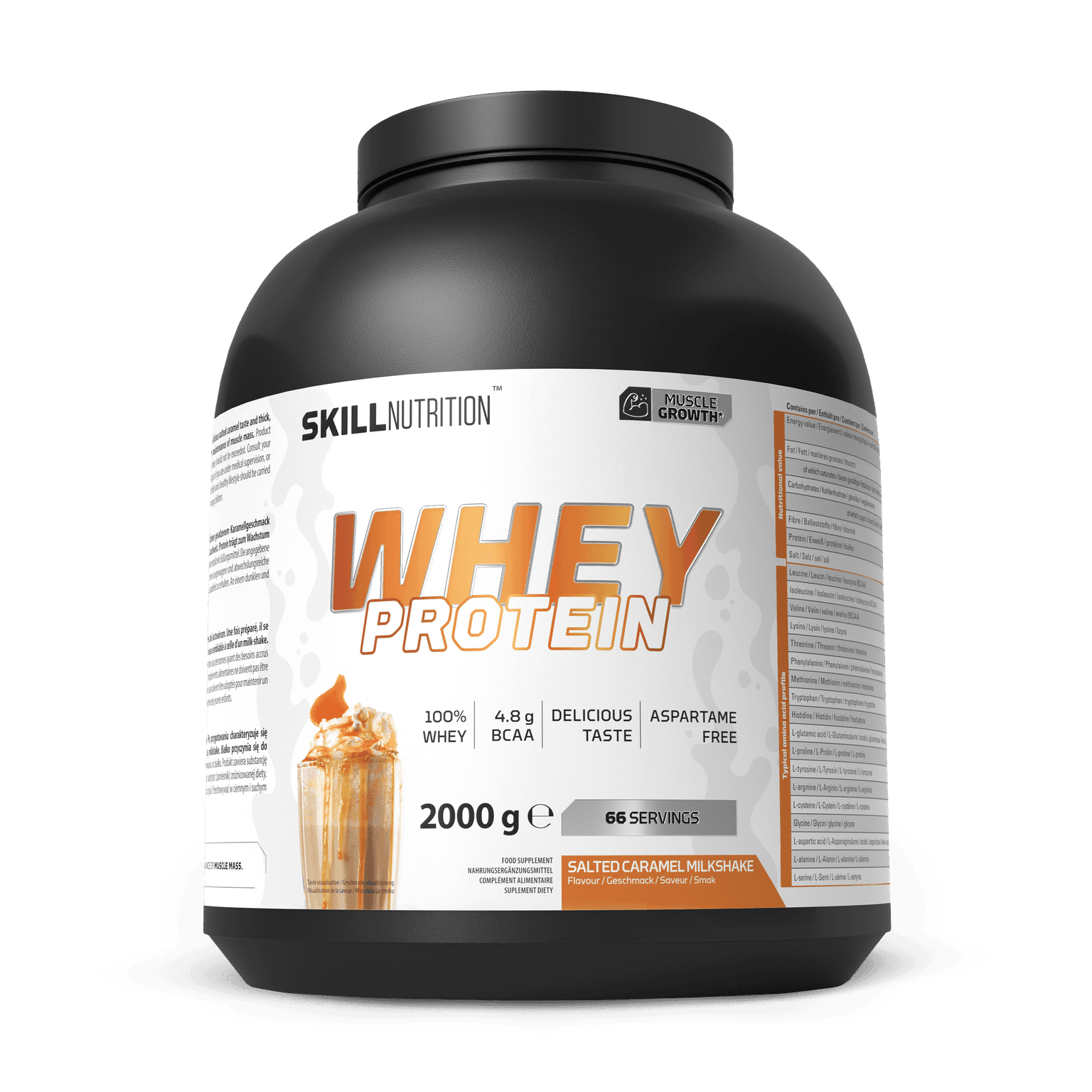
- Salted Caramel Milkshake – a combination of sweet caramel and a delicate salty note that works great in both shakes and as an addition to oatmeal, yogurt, or homemade fit desserts.
You can use Skill Nutrition protein not only after training, but also as an addition to oatmeal, smoothies, yogurt, or a simple meal prepared in just a few minutes. This makes it easier to stick to your cutting diet goals without giving up the genuine pleasure of eating.
Remember to follow a balanced diet and maintain a healthy lifestyle.
Sources:
- Helms ER, Aragon AA, Fitschen PJ. Evidence-based recommendations for natural bodybuilding contest preparation: nutrition and supplementation. J Int Soc Sports Nutr. 2014 May 12;11:20. doi: 10.1186/1550-2783-11-20. PMID: 24864135; PMCID: PMC4033492.
- Murphy CH, Hector AJ, Phillips SM. Considerations for protein intake in managing weight loss in athletes. Eur J Sport Sci. 2015;15(1):21-8. doi: 10.1080/17461391.2014.936325. Epub 2014 Jul 11. PMID: 25014731.
- Tipton KD, Wolfe RR. Protein and amino acids for athletes. J Sports Sci. 2004 Jan;22(1):65-79. doi: 10.1080/0264041031000140554. PMID: 14971434.
- European Food Safety Authority (EFSA). (2010). Scientific Opinion on the substantiation of health claims related to protein and contribution to growth or maintenance of muscle mass pursuant to Article 13(1) of Regulation (EC) No 1924/2006. EFSA Journal, 8(10), 1811. https://doi.org/10.2903/j.efsa.2010.1811
Table of contents
- 1.Why can the body lose not only fat but also muscle during a cutting phase?
- 2.How does protein help preserve muscle mass during a cutting phase?
- 3.How much protein should you include in a cutting diet to maintain your physique?
- 4.When can a protein supplement make it easier to stick to your nutrition plan?
- 5.Great taste and everyday convenience – protein that’s easy to include in a cutting diet