
Glutamine Supplementation in Endurance Sports: What Benefits Does It Offer for Runners and Cyclists?
07.05.2026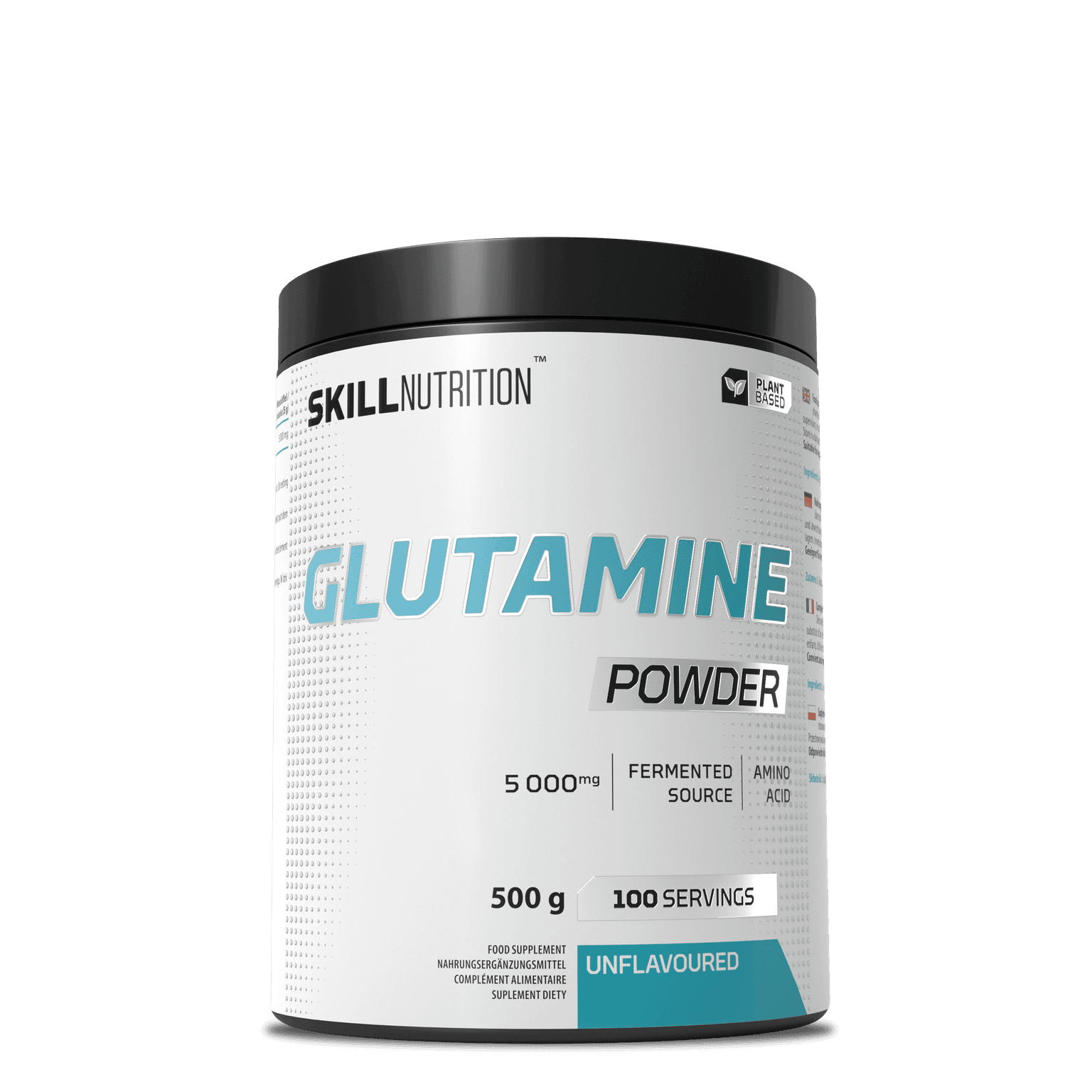
Marathon running, ultramarathons, long hours on the bike - anyone who has ever taken on such a challenge knows that endurance is not just about strong legs and efficient lungs. It is also about the body’s ability to recover quickly and maintain immune function when pushed to its limits. This is where glutamine comes in - a dietary supplement often associated with bodybuilders, but in reality also important for runners and cyclists.
Glutamine – what exactly is it?
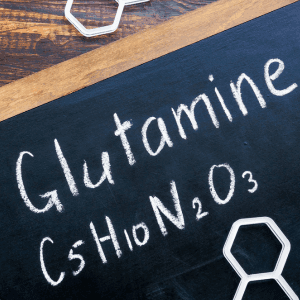
Glutamine is one of the most abundant amino acids in the human body. Large amounts are stored in the muscles, where it performs several functions that may be important for endurance athletes. In the body, glutamine is involved in nitrogen transport, protein synthesis, and serves as an energy source for immune cells [1].
Under normal conditions, the body can produce glutamine on its own, which is why it is often referred to as a “conditionally essential” amino acid. However, during very intense exercise - such as long-distance running or several hours of cycling - its natural levels may decrease noticeably. As a result, the body may need more time to recover, and the athlete may experience greater fatigue [2]. This is why glutamine supplementation is becoming increasingly popular not only among bodybuilders, but also among runners and cyclists.
Glutamine and recovery after intense exercise
Every endurance athlete knows the feeling - finishing a hard training session or race, with satisfaction mixed with muscle soreness and depleted energy levels. This is natural because intense exercise causes microdamage in the muscles, while glycogen stores (the main “fuel” source for endurance athletes) become significantly depleted. This is where glutamine may play an important role.
Some studies suggest that glutamine supplementation may support faster glycogen replenishment [3], although results are not entirely consistent. This may help the body become better prepared for the next training session [3].
Research has also observed that individuals supplementing with glutamine sometimes reported lower perceived fatigue [4]. We all know that for endurance athletes, not only intensity but also consistency matters most.

Immune support – why is it important for endurance athletes?
Endurance training is a major challenge for the body. Prolonged exercise can reduce natural glutamine levels in the muscles and bloodstream, which may be associated with increased susceptibility to fatigue or minor infections [2]. Many runners and cyclists know this scenario well - after a successful race or demanding session, a cold appears and interrupts the training plan for several days.
This is exactly why glutamine supplementation attracts the attention of endurance athletes. This amino acid serves as an energy source for immune cells, and research links adequate glutamine levels with maintaining the body’s balance after heavy physical stress [2]. As a result, athletes may find it easier to maintain training continuity without unwanted interruptions caused by decreased performance or recovery issues. In sports where preparation takes months, such support can be especially valuable.
Practical benefits for runners and cyclists
Theoretical explanations sound interesting, but what about real-life application? For runners and cyclists, the key question is whether supplementation can genuinely improve training comfort and performance. In the case of glutamine, the potential benefits mainly relate to three areas:
- training consistency - a lower risk of “falling out of rhythm” due to post-workout fatigue or weakened recovery,
- improved well-being - regular recovery is not only about muscles, but also about maintaining overall daily energy levels,
- balance between effort and recovery - glutamine may support recovery processes, making it easier to maintain balance and avoid overtraining [3].
In practice, this means that both marathon runners and recreational long-distance cyclists may benefit from greater stability in their preparation. And consistency - alongside passion and motivation - is one of the most important ingredients of athletic progress.

How to use glutamine?
When supplementing with glutamine, consistency and following the manufacturer’s recommendations are key. A standard daily serving is 5 g (one scoop). The powder dissolves easily in a glass of water or juice, making supplementation convenient even after intense training sessions.
On training days, glutamine is best taken immediately after exercise, when the body begins the recovery process. On rest days, it is often consumed in the evening before bedtime to support the body’s natural overnight recovery processes. It is important to remember that supplements should not replace a balanced diet and healthy lifestyle.
Sources:
- Cruzat V, Macedo Rogero M, Noel Keane K, Curi R, Newsholme P. Glutamine: Metabolism and Immune Function, Supplementation and Clinical Translation. Nutrients. 2018 Oct 23;10(11):1564. doi: 10.3390/nu10111564. PMID: 30360490; PMCID: PMC6266414.
- Walsh NP, Blannin AK, Robson PJ, Gleeson M. Glutamine, exercise and immune function. Links and possible mechanisms. Sports Med. 1998 Sep;26(3):177-91. doi: 10.2165/00007256-199826030-00004. PMID: 9802174.
- Bowtell JL, Gelly K, Jackman ML, Patel A, Simeoni M, Rennie MJ. Effect of oral glutamine on whole body carbohydrate storage during recovery from exhaustive exercise. J Appl Physiol (1985). 1999 Jun;86(6):1770-7. doi: 10.1152/jappl.1999.86.6.1770. PMID: 10368336.
- Legault Z, Bagnall N, Kimmerly DS. The Influence of Oral L-Glutamine Supplementation on Muscle Strength Recovery and Soreness Following Unilateral Knee Extension Eccentric Exercise. Int J Sport Nutr Exerc Metab. 2015 Oct;25(5):417-26. doi: 10.1123/ijsnem.2014-0209. Epub 2015 Mar 26. PMID: 25811544.