How Does Collagen Work in Sports Supplementation? The Advantage of the Hydrolyzed Form
27.11.2025Recommended products
What Is Collagen Hydrolysis?
Collagen is a protein made up of amino acids and accounts for around 25% of all proteins in the human body. It provides tissues with strength due to its helix structure consisting of three polypeptide chains. However, this structure results in rather large molecules with a mass of 285–300 kDa [1–3].
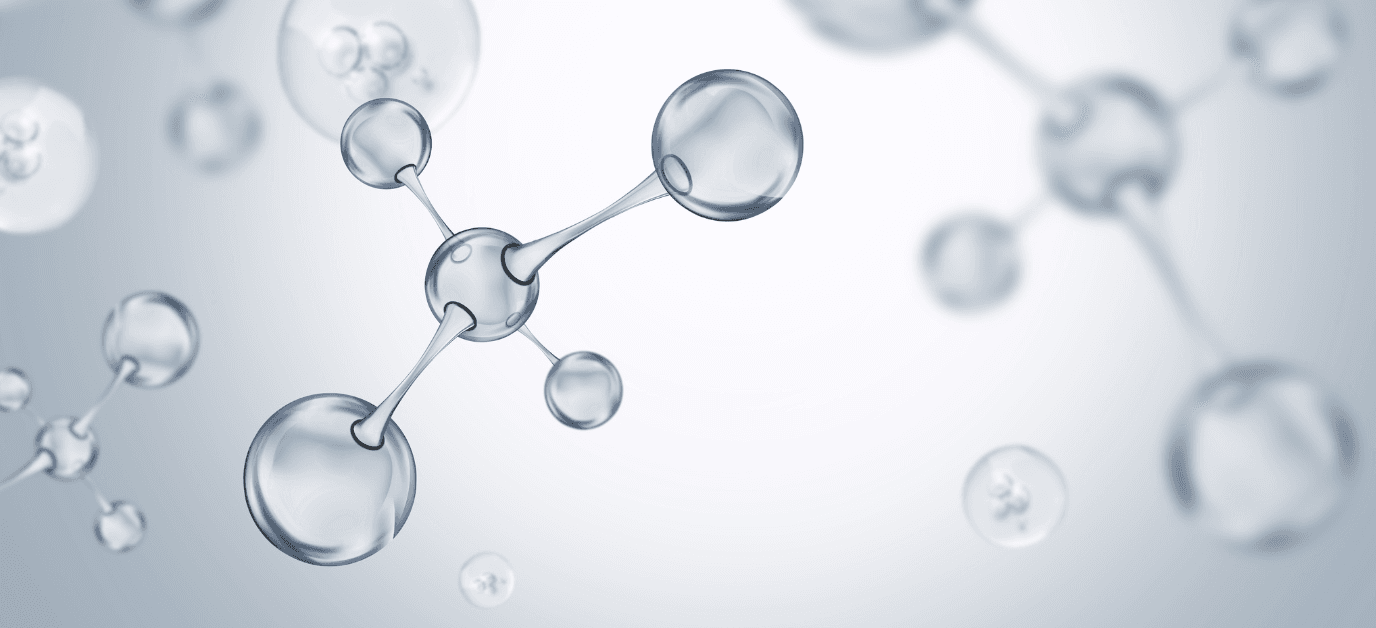
Collagen hydrolysis is a process in which collagen proteins are broken down-e.g., using proteolytic enzymes - into smaller molecules called peptides, typically weighing between 3 and 6 kDa. Collagen hydrolysis influences its functional properties and improves its bioavailability [3].
Physical Properties of Hydrolysed Collagen Peptides
Hydrolysed collagen peptides, thanks to their smaller molecular weight, are easily digested, absorbed, and distributed throughout the body. This allows the body to bypass the natural digestion stage of collagen proteins, which usually takes around 3–5 days and involves nutrient losses [4].
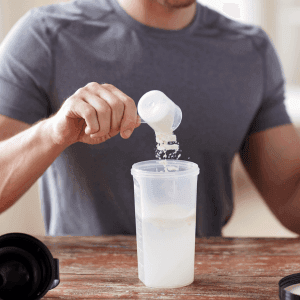
Moreover, hydrolysed collagen peptides also have good solubility [5], which is important for supplementation convenience. Most products on the market come in powder form that needs to be mixed with water or another beverage.
Collagen as a Key Ingredient for Active Individuals
The joints, tendons, and muscles of people who train regularly are exposed to constant challenges and strain. It’s no surprise that many athletes choose oral supplements containing this protein-after all, collagen is known for its high tensile and mechanical strength [1].
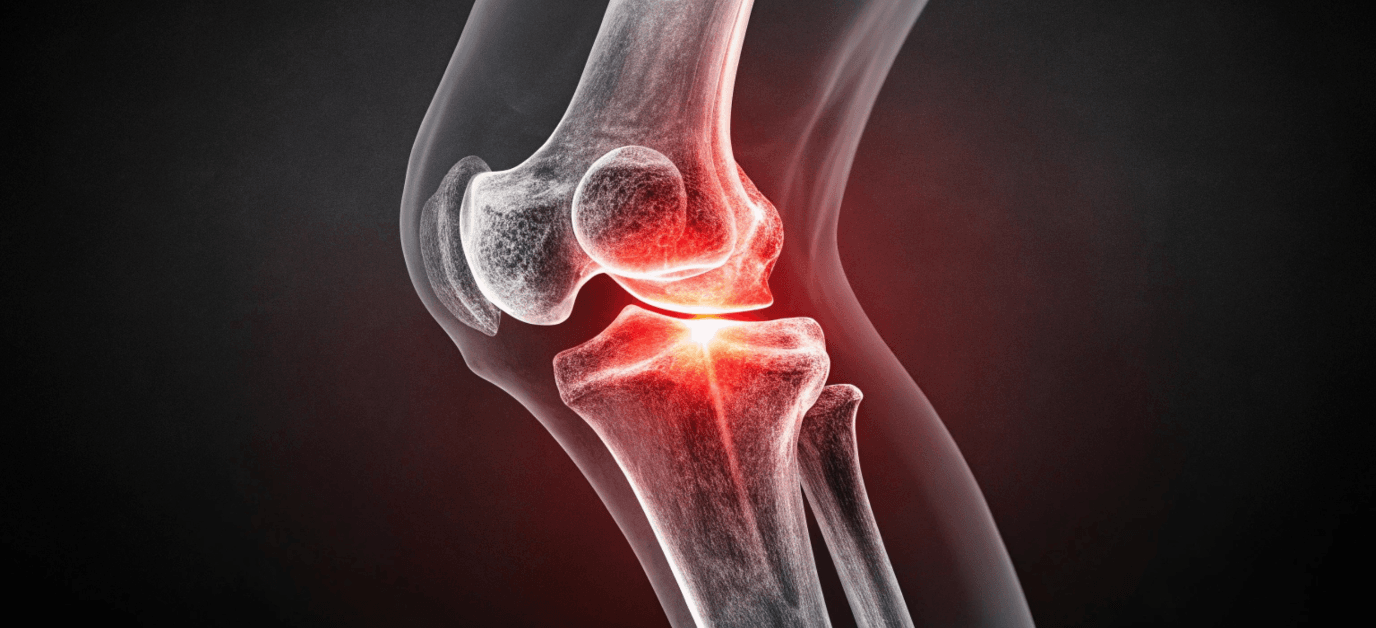
Scientific studies suggest that taking certain hydrolysed collagen peptides may result in the accumulation of this protein in joint cartilage [6–7]. In a narrative review of 26 studies, improvements in joint stability, reduced pain, and faster recovery after injury were observed among participants supplementing specific collagen peptides [8]. These effects, however, require further verification.
Results from a 2024 systematic review and meta-analysis suggest that long-term collagen peptide supplementation combined with regular training may influence:
tendon morphology,
muscle mass,
maximal strength and strength recovery after muscle injury [9].
These effects have been observed in scientific studies.
However, the specific properties of collagen depend on its type.
There are currently 29 recognised collagen types in the human body, but from an athletic perspective, the most important are the so-called fibrillar collagens-particularly types I, II, and III [2]. Most research focuses on these types.
Type I Collagen
Type I collagen is the most abundant type in the human body. It is found in the skin (where it accounts for 90% of its dry mass), tendons (60–80% of their dry mass), as well as bones, muscles, and cartilage [10].
A 2025 systematic review suggests that supplementation with hydrolysed type I collagen had a positive impact on ankle joint mobility and function. Positive effects on muscle function were also noted, but only when supplementation was combined with physical exercise [11].
Type II Collagen
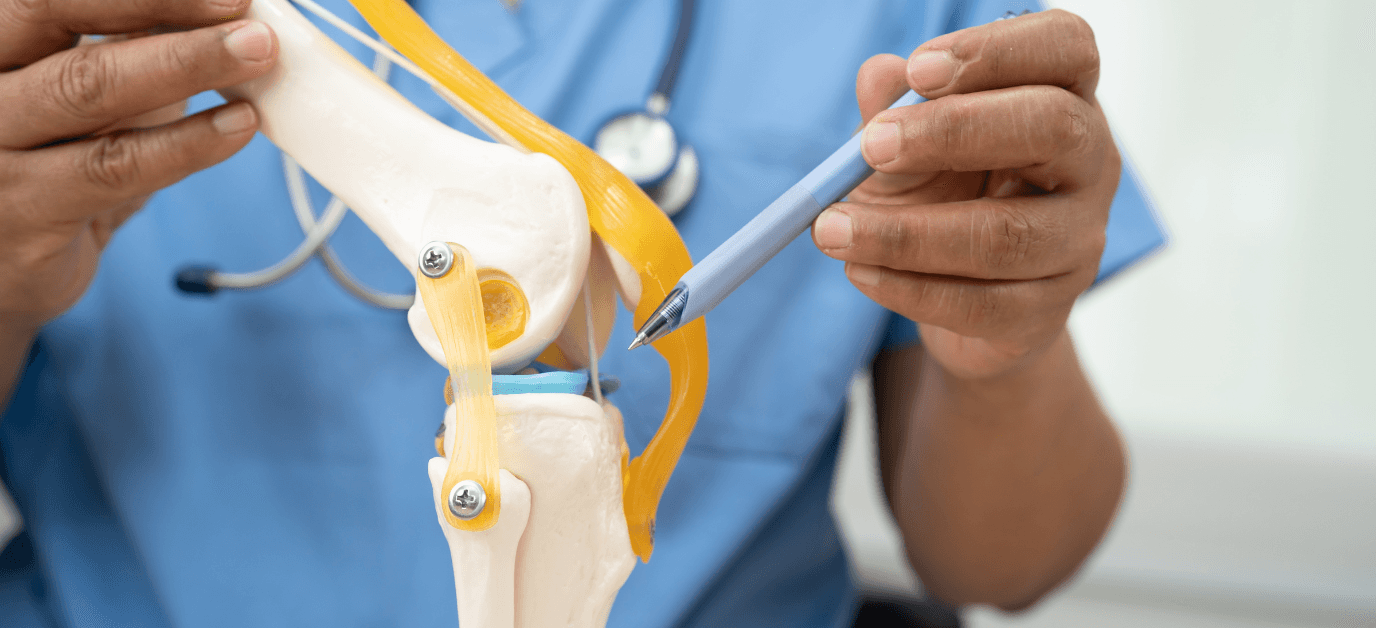
Type II collagen is found mainly in joint cartilage and is quite unique because many scientific papers focus on its native form. Research suggests that it may trigger an immune response that can reduce autoimmune reactions in cartilage directed against endogenous collagen (naturally produced in the body) [7].
For this reason, type II collagen is being studied for potential effects on patients with autoimmune joint diseases, such as osteoarthritis or rheumatoid arthritis. However, there are currently no official recommendations for using type II collagen in the treatment of these conditions [7,12].
Type III Collagen
This type of collagen forms the fibres of smooth muscles as well as the framework of many internal organs, such as the lungs, spleen, and liver. It is also present in the cardiovascular system [13]. It is the second most abundant collagen type in the body and is more elastic and flexible than type I. It also plays a key role during the early stages of tissue healing and remodelling (in later stages, type I collagen expression increases) [14–15].
A 2020 mouse study examined the effect of type III collagen on structures dominated by other collagen types: knee joint cartilage (primarily type II) and the meniscus (mostly type I). The results suggest that type III collagen influenced the structural integrity and biomechanical properties of both tissues [14].
Type III collagen is also being studied in the context of muscle regeneration, specifically its effects on myoblasts. Myoblasts are muscle cells activated after injuries, initiating repair processes. A 2024 study suggests that type III collagen may stimulate myoblasts and support their migration to damaged areas of muscle tissue [16].
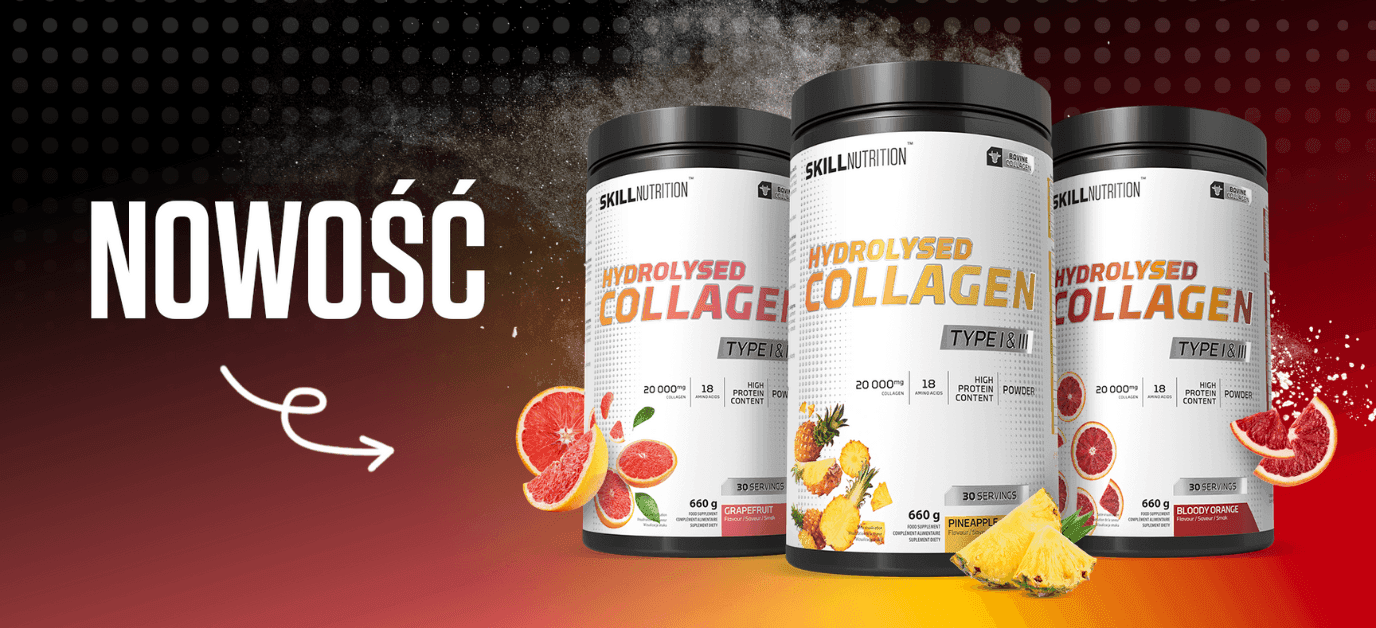
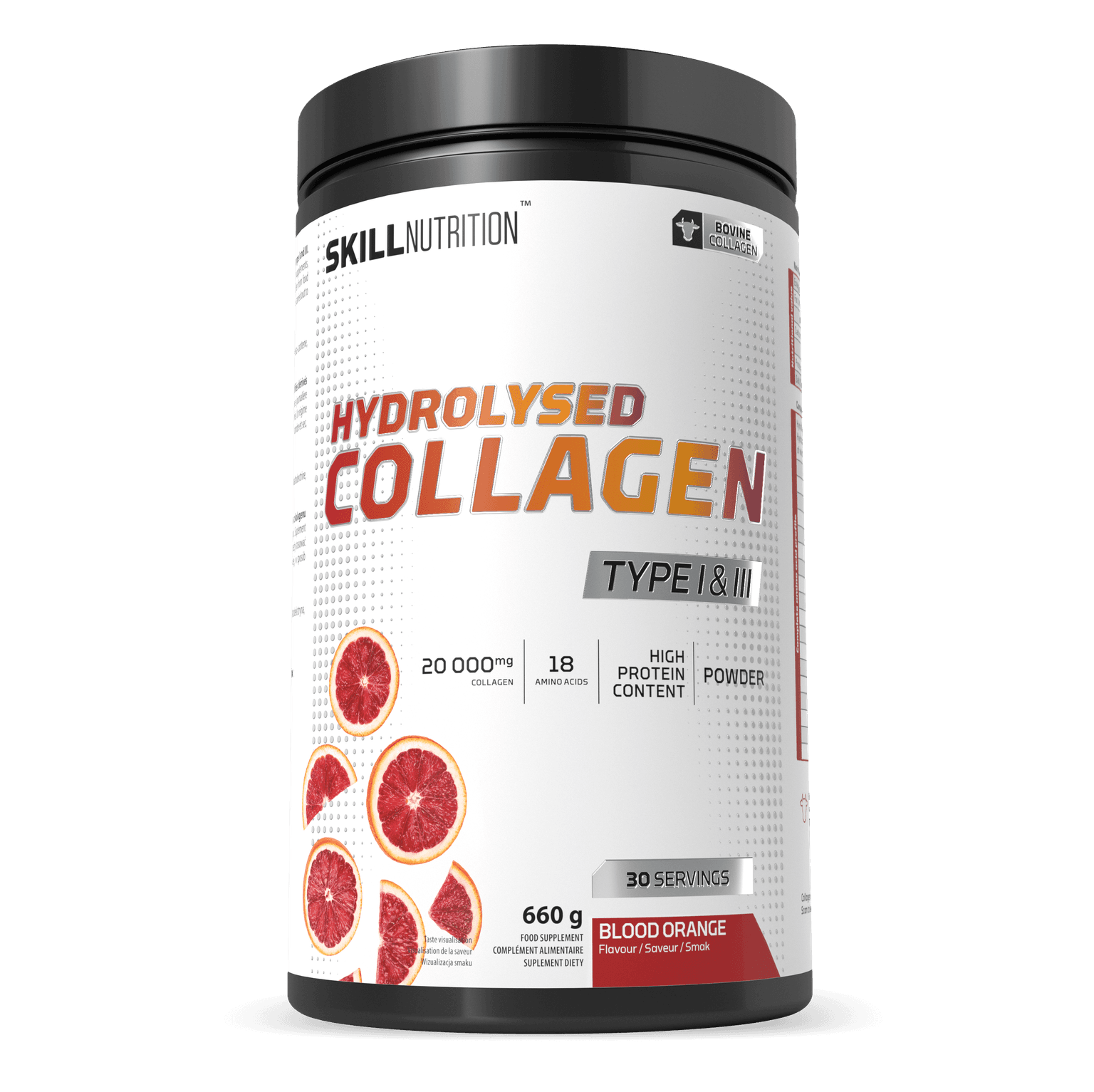
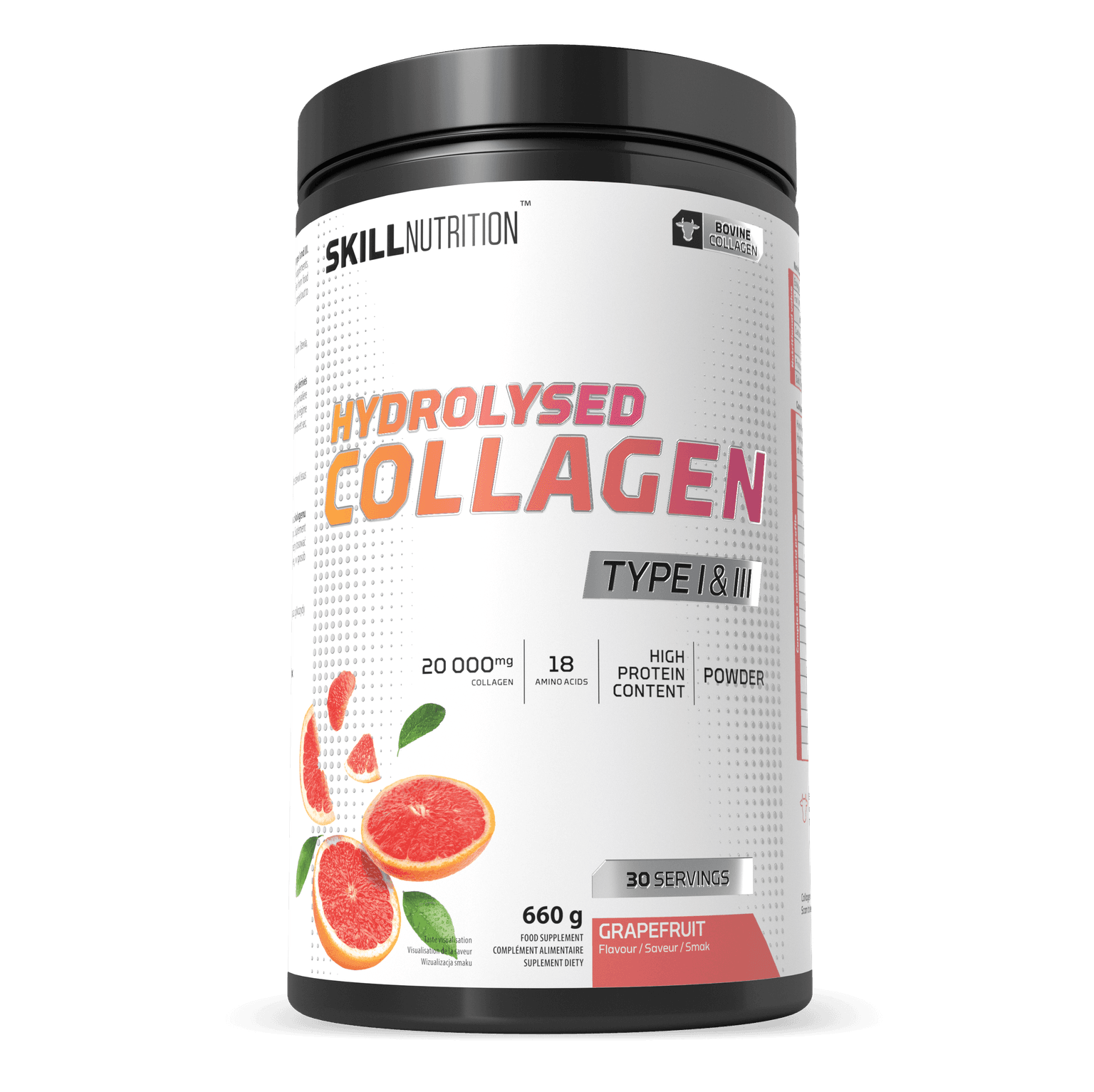
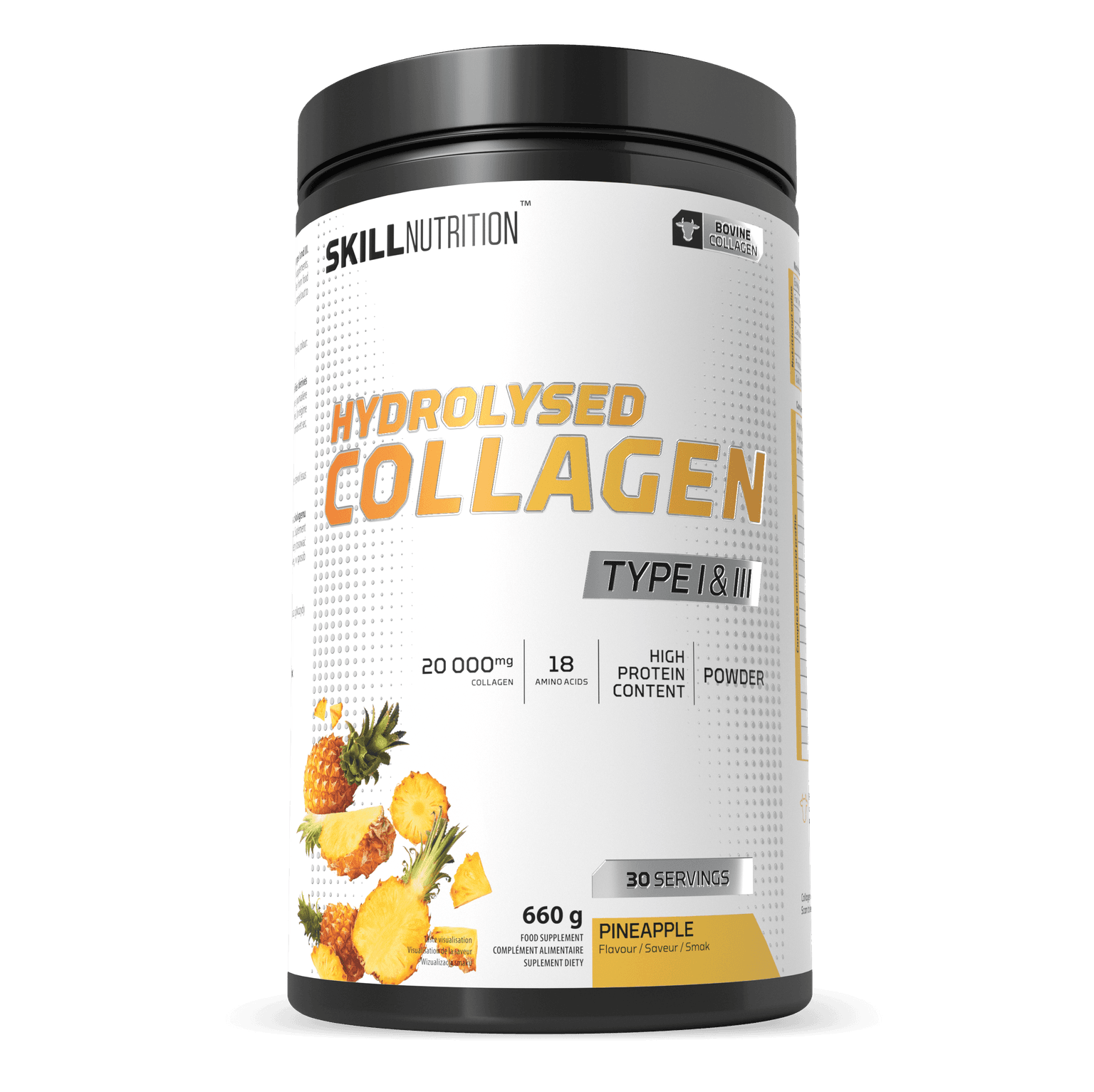
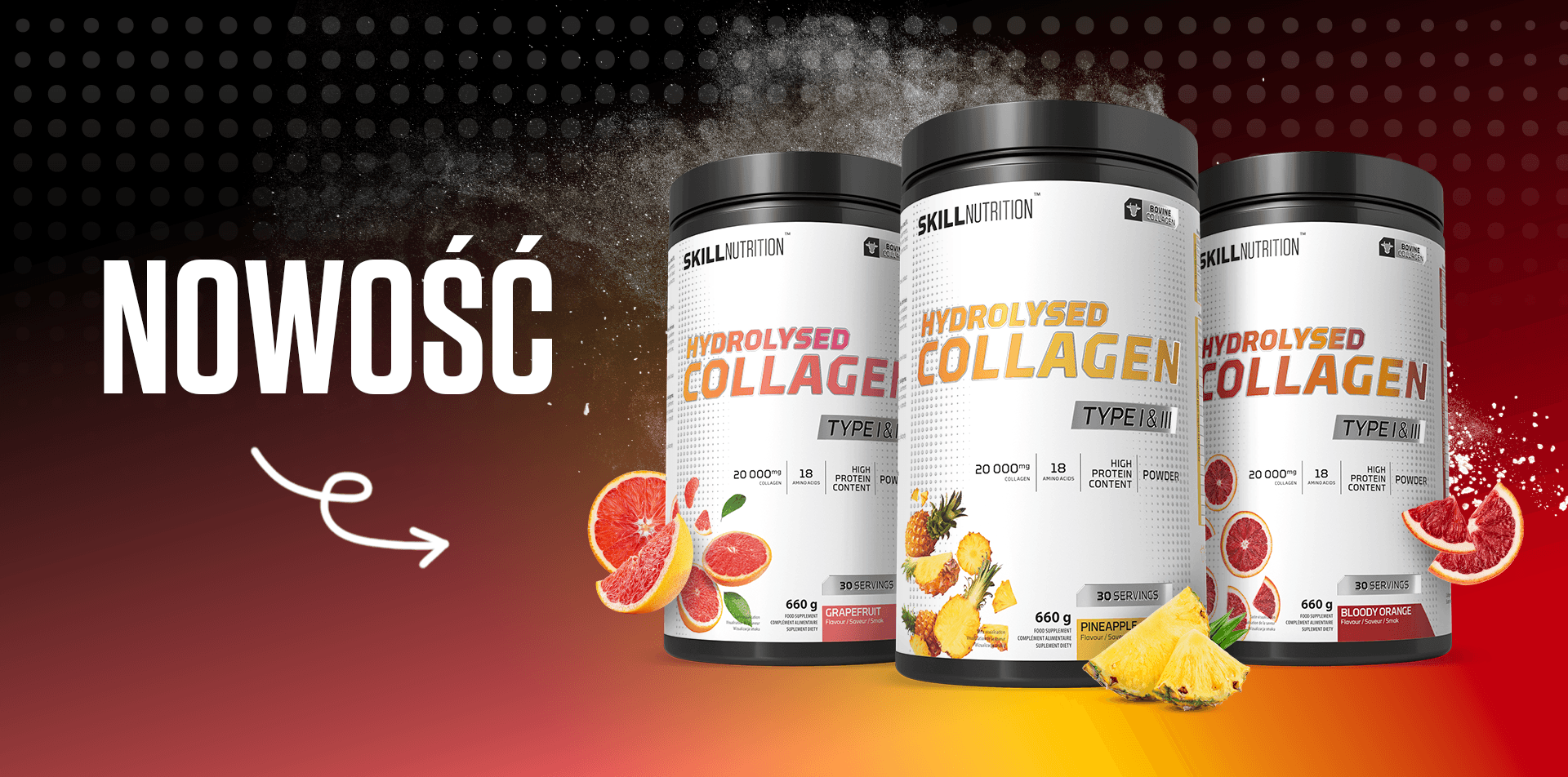
Hydrolysed Collagen, Type I & III, Bloody Orange by Skill Nutrition
If you want to support your body with key collagen types in the form of hydrolysed peptides, choose Hydrolysed Collagen, type I&III by Skill Nutrition. This dietary supplement contains 15,000 mg of highly purified hydrolysed collagen peptides with 18 essential amino acids, including:
2980 mg glycine,
1700 mg proline,
1610 mg hydroxyproline.
The package contains an easy-to-dissolve powder with a blood orange flavour-with no added sugar-and a measuring scoop for convenient serving. You can add it to water or other beverages (it tastes great with juices and smoothies) as well as meals.
Sources:
- Morąg, Monika, i Agnieszka Burza. „Budowa, właściwości i funkcje kolagenu oraz elastyny w skórze”. Journal of Health Study and Medicine, t. 2, 2017, s. 77–100.
- Banaś, Marta, i Krystyna Pietrucha. „TYPY I STRUKTURA BIAŁKA KOLAGENOWEGO ”. ZESZYTY NAUKOWE POLITECHNIKI ŁÓDZKIEJ, Nr 1058, CHEMIA SPOŻYWCZA I BIOTECHNOLOGIA, z. 73, 2009.
- León-López, Arely, i in. „Hydrolyzed Collagen—Sources and Applications”. Molecules, t. 24, nr 22, listopad 2019, s. 4031. PubMed Central, https://doi.org/10.3390/molecules24224031.
- King CST, Lambert DM, Dieter S, Sims BR (2024) Hydrolyzed Versus Native Collagen in Management of Acute Surgical Wounds: A Literature Review. J Surg 9: 11025 DOI: 10.29011/2575-9760.11025.
- Hydrolyzed Collagen - an overview | ScienceDirect Topics. https://www.sciencedirect.com/topics/biochemistry-genetics-and-molecular-biology/hydrolyzed-collagen. Dostęp 17 czerwiec 2025.
- Bello, Alfonso E., i Steffen Oesser. „Collagen Hydrolysate for the Treatment of Osteoarthritis and Other Joint Disorders:A Review of the Literature”. Current Medical Research and Opinion, t. 22, nr 11, listopad 2006, s. 2221–32. DOI.org (Crossref), https://doi.org/10.1185/030079906X148373.
- Martínez-Puig, Daniel, i in. „Collagen Supplementation for Joint Health: The Link between Composition and Scientific Knowledge”. Nutrients, t. 15, nr 6, marzec 2023, s. 1332. PubMed Central, https://doi.org/10.3390/nu15061332.
- Gołda, Joanna, i in. „The Impact of Oral Collagen Supplementation on Joint Function, Muscle Recovery, and Musculoskeletal Health in Athletes: A Narrative Review”. Journal of Education, Health and Sport, t. 67, kwiecień 2024, s. 55035. apcz.umk.pl, https://doi.org/10.12775/JEHS.2024.67.55035.
- Bischof, Kevin, i in. „Impact of Collagen Peptide Supplementation in Combination with Long-Term Physical Training on Strength, Musculotendinous Remodeling, Functional Recovery, and Body Composition in Healthy Adults: A Systematic Review with Meta-Analysis”. Sports Medicine, t. 54, nr 11, listopad 2024, s. 2865–88. Springer Link, https://doi.org/10.1007/s40279-024-02079-0.
- Amirrah, Ibrahim N., i in. „A Comprehensive Review on Collagen Type I Development of Biomaterials for Tissue Engineering: From Biosynthesis to Bioscaffold”. Biomedicines, t. 10, nr 9, wrzesień 2022, s. 2307. PubMed Central, https://doi.org/10.3390/biomedicines10092307.
- Brueckheimer, Paula Janzen, i in. „The Effects of Type I Collagen Hydrolysate Supplementation on Bones, Muscles, and Joints: A Systematic Review”. Orthopedic Reviews, t. 17, s. 129086. PubMed Central, https://doi.org/10.52965/001c.129086. Dostęp 17 czerwiec 2025.