logo skill nutrition czarne
bialko mobile (1).png

The Role of Protein in an Active Lifestyle: How Much, When, and Which Sources?

23.07.2026

Table of contents

  1. 1.Why Is Protein So Important for Active People?
  2. 2.How Much Protein Do Active People Need?
  3. 3.When Is the Best Time to Eat Protein?
  4. 4.Protein Sources: Animal or Plant-Based?
  5. 5.References

Recommended products

After an Intense Workout, Protein Takes Center Stage

After an intense workout, your muscles act like a sponge - they absorb the nutrients you provide to repair and grow stronger. This is where protein comes into play, as it is the primary building block of our bodies. It plays a crucial role in the diet of physically active individuals. But how much protein do we actually need? Should you choose animal or plant protein? And when is the best time to consume it to maximize its benefits?

Why Is Protein So Important for Active People?

Protein is much more than just a trendy ingredient in diets and supplements. It is the foundation upon which we build strength, performance, and fitness. Every workout - whether you're running, lifting weights, or practicing yoga - causes microscopic damage to muscle fibers. Your body needs the right raw materials to repair this damage, and protein is the most effective source. It provides amino acids that support muscle recovery and enable muscles to become progressively stronger over time [1].

Protein also offers several additional benefits. It promotes satiety, making it valuable for people aiming to manage their body weight. Moreover, protein has a higher thermic effect than carbohydrates or fats, meaning the body expends more energy digesting and metabolizing it [2]. In practice, this means that the diet of an active person should generally contain a higher proportion of protein than that of someone who spends most of the day sitting at a desk. The goal, however, is not to consume excessive amounts of protein but to incorporate high-quality protein sources thoughtfully into your daily meals.

sport aminokways.png

How Much Protein Do Active People Need?

One of the most common questions is: how much protein is actually necessary to see results from training? The answer varies from person to person. Protein requirements depend on body weight, training type, and individual goals. Current recommendations suggest that physically active individuals should consume approximately 1.2 to 2.0 grams of protein per kilogram of body weight per day [3].

For example, someone weighing 70 kg (154 lbs) should aim for roughly 85–140 grams of protein daily, distributed across multiple meals.

Protein needs also differ depending on the type of exercise performed. Individuals focused on building muscle mass may benefit from protein intake toward the higher end of this range [4]. Endurance athletes, such as runners or cyclists, generally require slightly less protein, although still more than people who are largely sedentary.

It's important to remember that protein distribution throughout the day is just as important as total daily intake. Consuming protein consistently with each meal is more effective than eating most of it at dinner or relying solely on a post-workout shake. This simple strategy supports continuous muscle repair and recovery [5].

Calculate your protein needs using the Skill Nutrition Protein Calculator!

When Is the Best Time to Eat Protein?

For many years, fitness experts emphasized the importance of the so-called "anabolic window"—a short period immediately after exercise during which protein was believed to be most effective. Today, we know that this concept is somewhat oversimplified.

While consuming protein after exercise is certainly beneficial because it provides the body with the nutrients needed for recovery, what matters even more is maintaining an adequate protein intake throughout the day [6].

Ideally, protein should be spread across three to five meals, ensuring that muscles receive a steady supply of amino acids [6]. A practical daily plan might look like this:

  • Eggs or Greek yogurt for breakfast
  • Fish or lean meat for lunch
  • Cottage cheese or a protein shake in the evening

Special attention should also be paid to your evening meal. Consuming protein before bed can be particularly beneficial for those who train intensely. During sleep, the body enters its primary recovery phase, and providing protein beforehand may help support overnight muscle repair and growth.

białko w diecie.png

Protein Sources: Animal or Plant-Based?

Not all proteins are created equal. The source of protein influences both its amino acid profile and its digestibility.

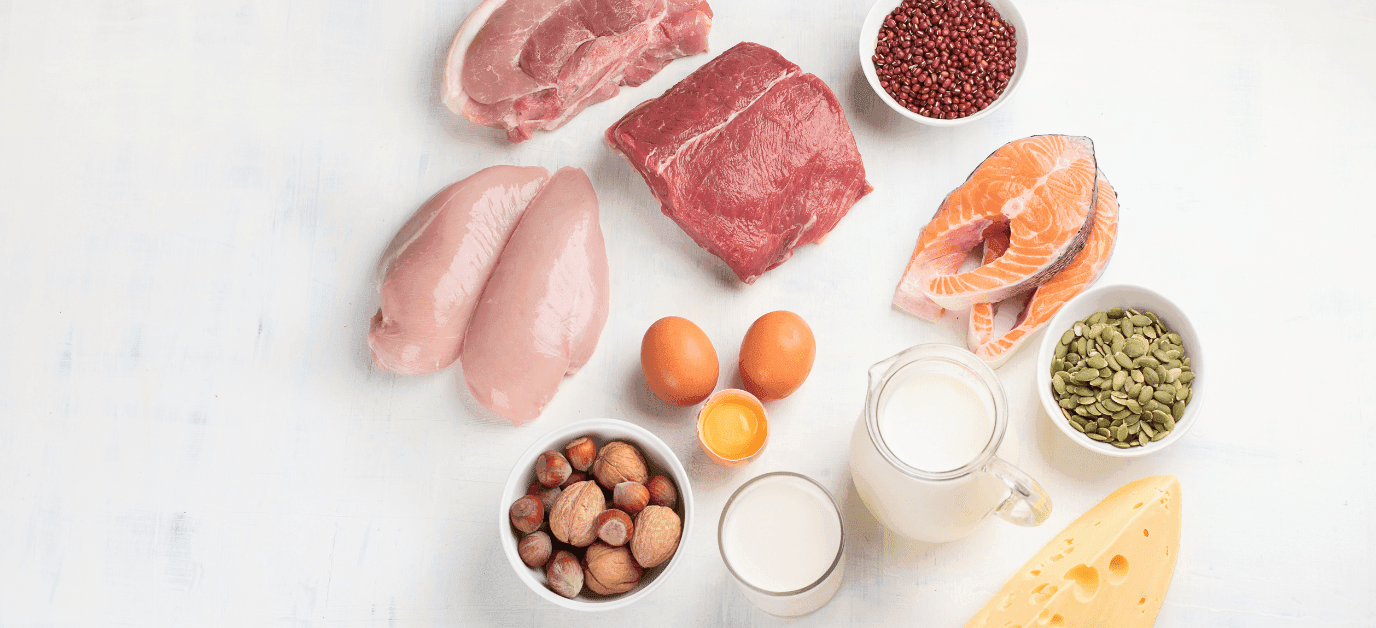
Animal-based protein sources - including meat, fish, eggs, and dairy products—are considered complete proteins because they contain all essential amino acids (EAAs) in sufficient amounts. For this reason, they are often the preferred choice for athletes and physically active individuals [7].

Plant-based proteins - such as soy, peas, chickpeas, quinoa, and lentils - can also be excellent sources of protein but may require more careful meal planning. Different plant foods contain varying amino acid profiles, so combining complementary sources is recommended. For example, rice and beans or hummus with whole-grain pita bread provide a more complete amino acid profile when eaten together [7].

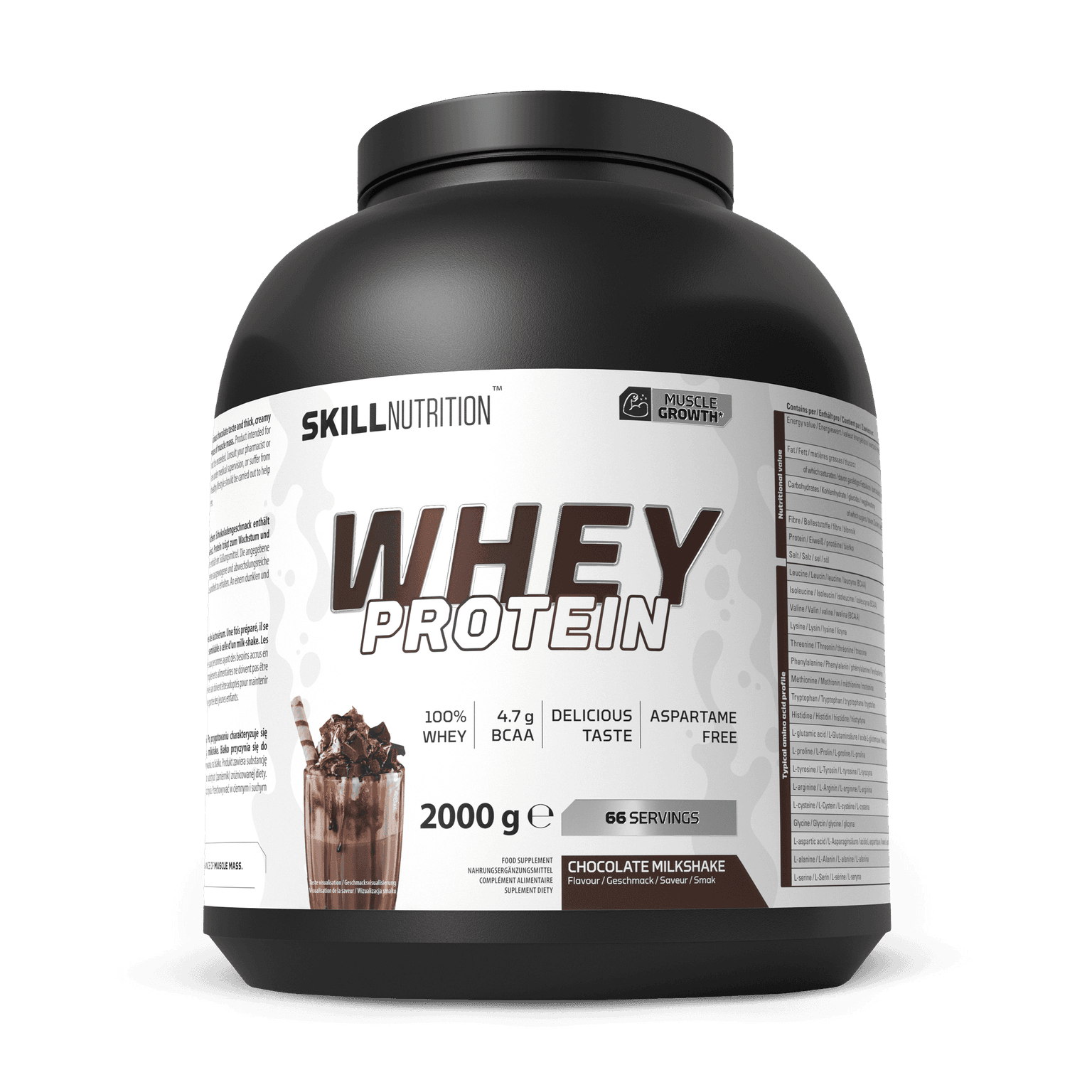
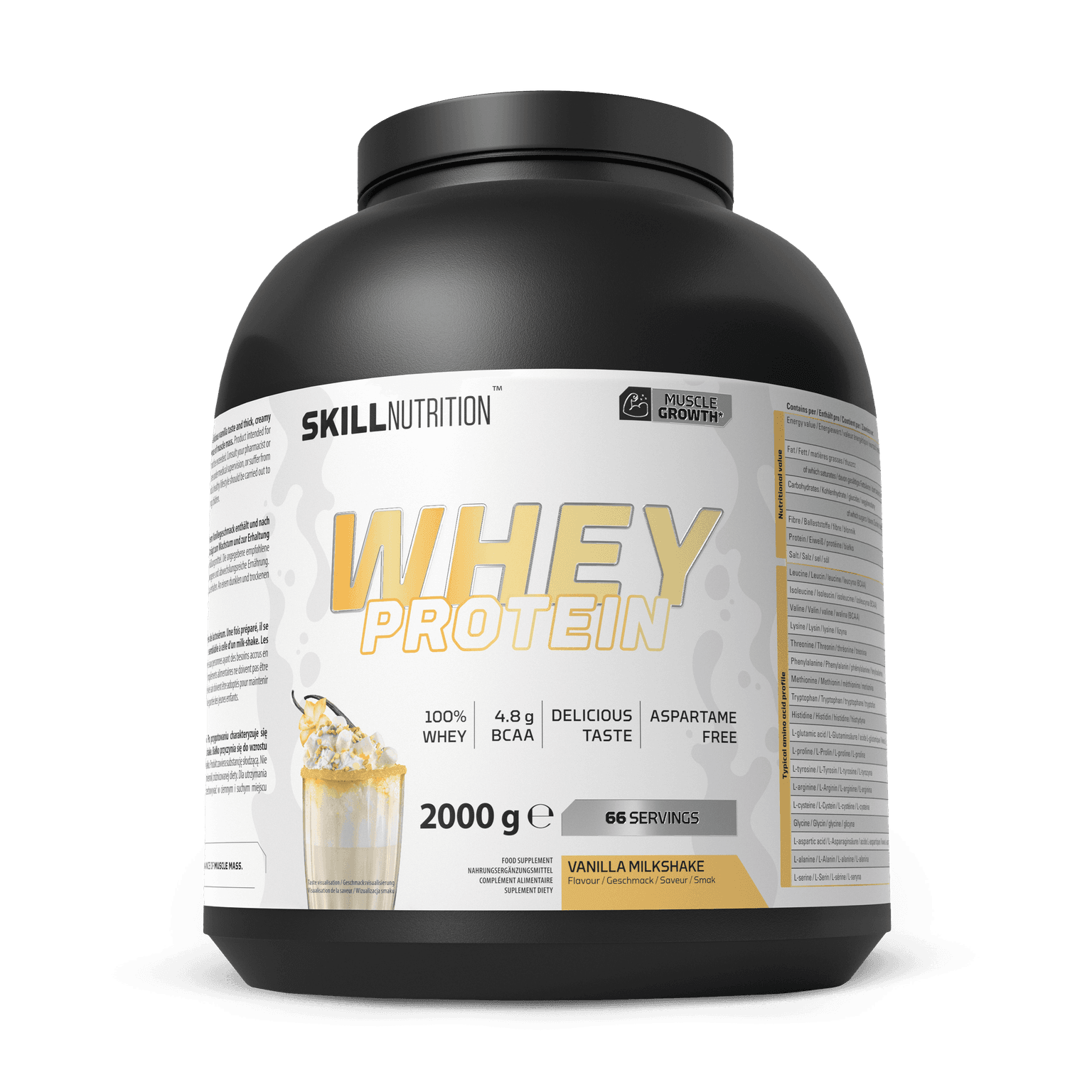
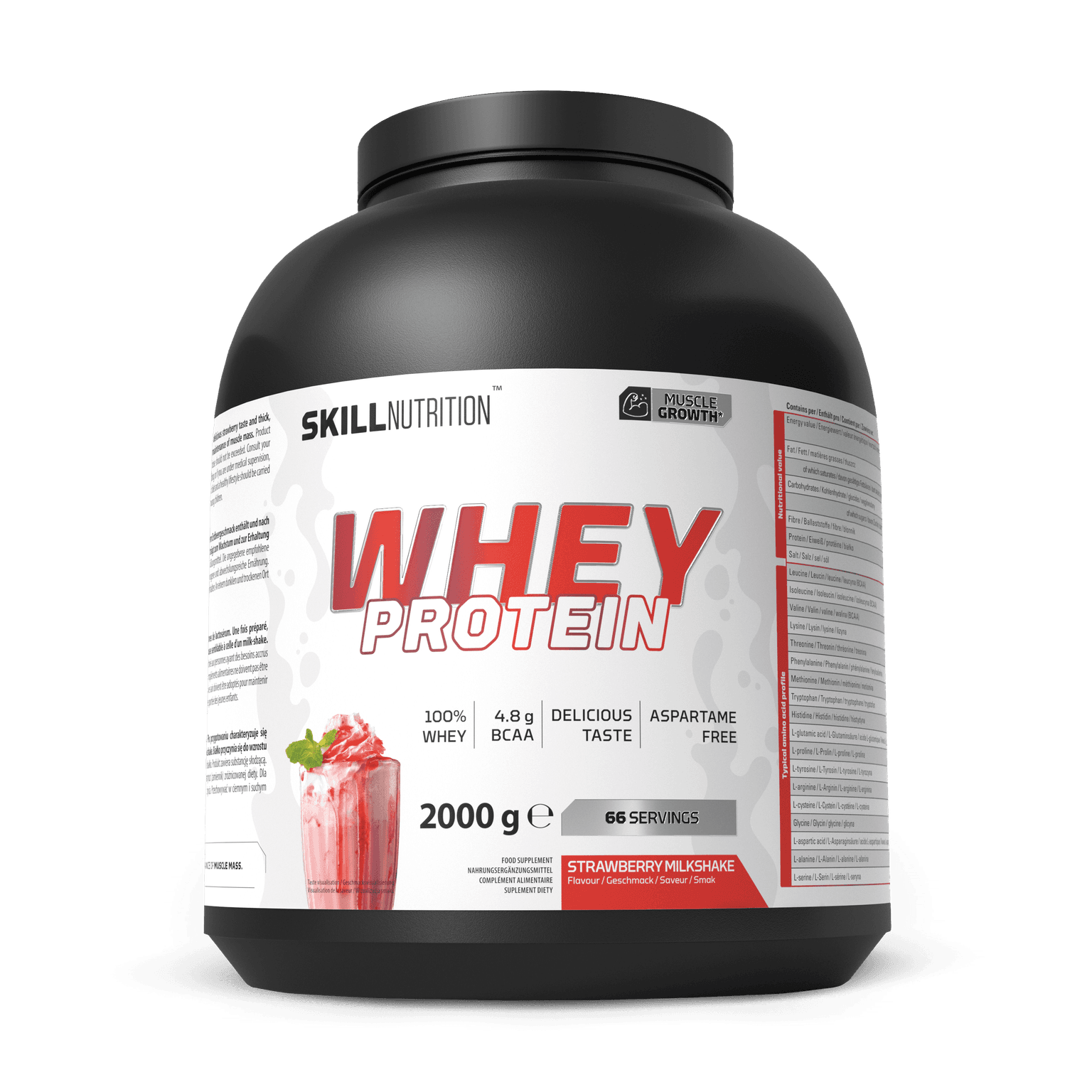
Protein supplements are another practical option. Whey protein, casein, and plant-based protein blends offer a convenient way to increase daily protein intake when meeting requirements through food alone is difficult. They are particularly useful after workouts or on busy days when preparing a balanced meal isn't feasible.

Ultimately, it's best to think of protein sources as a diverse palette that allows you to create nutritious and enjoyable meals rather than relying on a single type of protein.

References

  1. Hartono FA, Martin-Arrowsmith PW, Peeters WM, Churchward-Venne TA. The Effects of Dietary Protein Supplementation on Acute Changes in Muscle Protein Synthesis and Longer-Term Changes in Muscle Mass, Strength, and Aerobic Capacity in Response to Concurrent Resistance and Endurance Exercise in Healthy Adults: A Systematic Review. Sports Med. 2022;52(6):1295–1328.
  2. Westerterp-Plantenga MS, Lemmens SG, Westerterp KR. Dietary protein—its role in satiety, energetics, weight loss and health. Br J Nutr. 2012;108(Suppl 2):S105–S112.
  3. Jäger R, Kerksick CM, Campbell BI, et al. International Society of Sports Nutrition Position Stand: Protein and Exercise. J Int Soc Sports Nutr. 2017;14:20.
  4. Morton RW, Murphy KT, McKellar SR, et al. A Systematic Review, Meta-analysis and Meta-regression of the Effect of Protein Supplementation on Resistance Training-induced Gains in Muscle Mass and Strength in Healthy Adults. Br J Sports Med. 2018;52(6):376–384.
  5. Moore DR, Churchward-Venne TA, Witard O, et al. Protein Ingestion to Stimulate Myofibrillar Protein Synthesis Requires Greater Relative Protein Intakes in Healthy Older Versus Younger Men. J Gerontol A Biol Sci Med Sci. 2015;70(1):57–62.
  6. Aragon AA, Schoenfeld BJ. Nutrient Timing Revisited: Is There a Post-exercise Anabolic Window? J Int Soc Sports Nutr. 2013;10(1):5.
  7. Young VR, Pellett PL. Plant Proteins in Relation to Human Protein and Amino Acid Nutrition. Am J Clin Nutr. 1994;59(5 Suppl):1203S–1212S.