Training in the Heat – How to Work Out Smarter, Not Harder
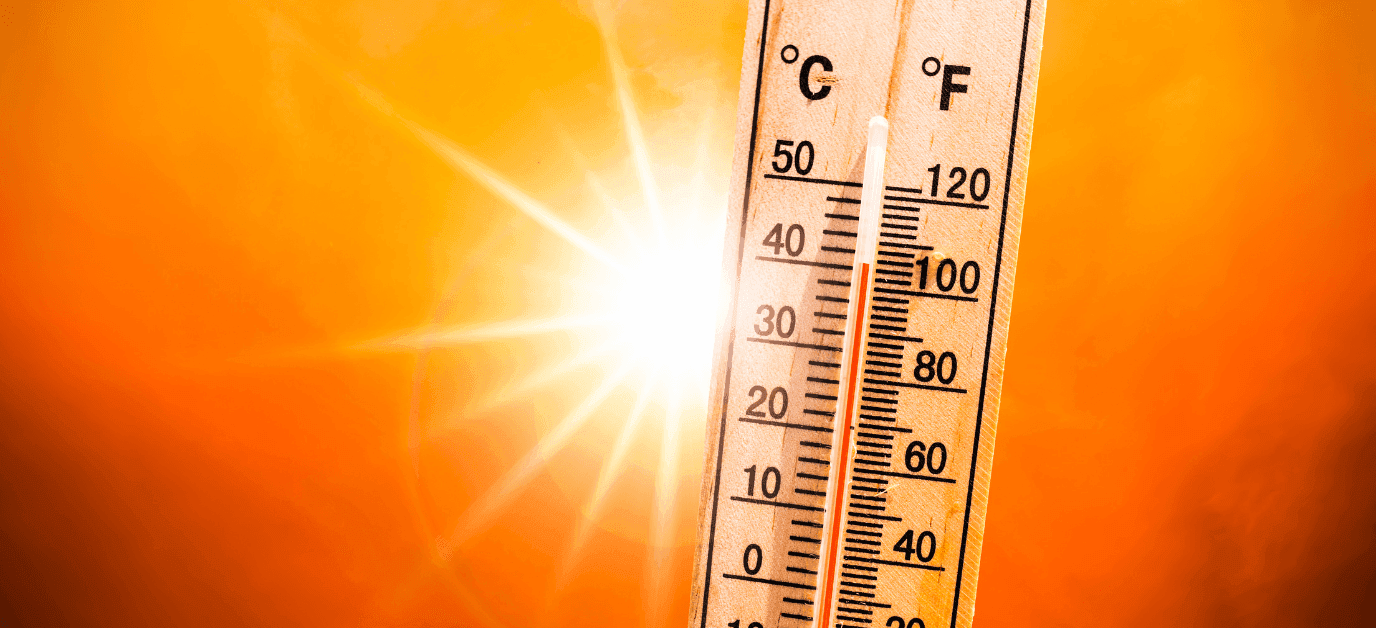
13.08.2026In summer, motivation to stay active naturally rises, but the thermometer reading can quickly put even the best workout plan to the test. When the heat is sweltering, trying to break personal records is a direct path to hitting a wall. High temperatures drastically change the rules of the game inside your body, challenging your endurance, hydration, and recovery. However, this does not mean you have to give up on physical activity. Here is how to train during hot weather.
Why Does Training in the Heat Cost Your Body More?
The exact same workout that felt like a pleasant challenge in the spring can suddenly turn into a struggle for every single rep during a heatwave. This happens because your body has to work double duty: powering active muscles while simultaneously working hard to regulate body temperature. The result is faster fatigue, a higher heart rate, impaired concentration, and a noticeable drop in pace.
This is not the day to prove anything to your friends or your fitness tracker. High temperatures are a valid reason to shorten your session, lower the load, or take longer breaks. Dizziness, nausea, a headache, or sudden weakness are clear signals to stop exercising immediately, cool down, and rehydrate! In hot weather, smarter training often simply means doing less, but doing it safely.

Hydration Is More Than Just a Bottle of Water
To keep your performance at an optimal level, you need to think about hydration long-term—before, during, and after your activity. Chugging a liter of water all at once right before heading out for a workout will do more harm than good by burdening your stomach. A much better approach is regularly sipping fluids in small gulps throughout the day. However, remember that along with sweat, you lose not only water but also valuable minerals, the lack of which will quickly manifest as a dip in form.
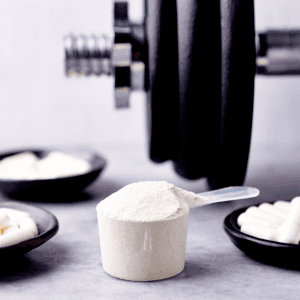
On hot days, plain water alone may prove insufficient to quench your thirst effectively and restore balance. In such cases, it is worth using strategic support—such as combining EAA amino acids with electrolytes. Such a drink not only quenches thirst effectively and provides key elements, but also fuels the body with essential amino acids. This is an excellent solution, especially when high temperatures ruin your appetite and you need a convenient way to supply your muscles with building blocks and support recovery without overburdening your digestive system with a heavy meal [1].
Lacking Energy? Don't Try to Save Your Workout with Three Coffees
Lethargy, sluggishness, and a drastic drop in motivation often accompany summer heatwaves. When the body consumes a massive amount of energy just on thermoregulation, the prospect of intense physical exertion becomes a struggle. Many of us try to fix the situation by drinking several cups of strong coffee.
However, this is not always a good solution. A large amount of a hot, acidic beverage can irritate the stomach and have a diuretic effect, which makes maintaining optimal fluid balance even harder on a hot day. The foundation for fighting summer lethargy should always be choosing the right time for your workout (early morning or evening), getting restorative sleep, and eating a light, easily digestible meal.
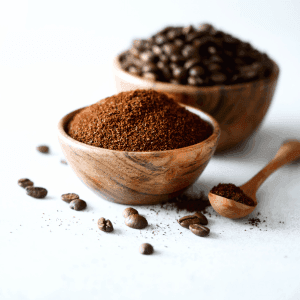
If you do need an extra boost, a more predictable solution may be pure caffeine in capsules (e.g., 100–200 mg). Just remember to always wash down such a dose with a large glass of cool water, and carefully adjust the dosage to your tolerance. Caffeine helps increase alertness and improve focus, which is essential when high temperatures distract you during exercise [2].
Cramps and Fatigue – What Should You Consider?
When painful, sudden muscle tension occurs after an intense summer training session, many people's first impulse is to blame it on a lack of magnesium. However, it is worth looking at this issue from a broader perspective—cramps can have many different causes and rarely stem solely from a single deficiency. Often, they are the direct result of overall dehydration, lack of proper recovery, disrupted fluid balance, or simply a training load that was too high for the heat and overloaded the neuromuscular system [3].
If you take care of proper fluid intake and smart exercise planning, the next step toward building consistent fitness on summer days should be sensible nutritional support. A natural addition to an active person's diet is supplementation based on a proven synergy: magnesium combined with vitamin B6. Magnesium aids in proper muscle function and contributes to the reduction of tiredness and fatigue, which can be a lifesaver when high temperatures drain your vitality. Meanwhile, added vitamin B6 supports normal energy-yielding metabolism, making it easier for the body to manage its energy resources efficiently during every set [4].
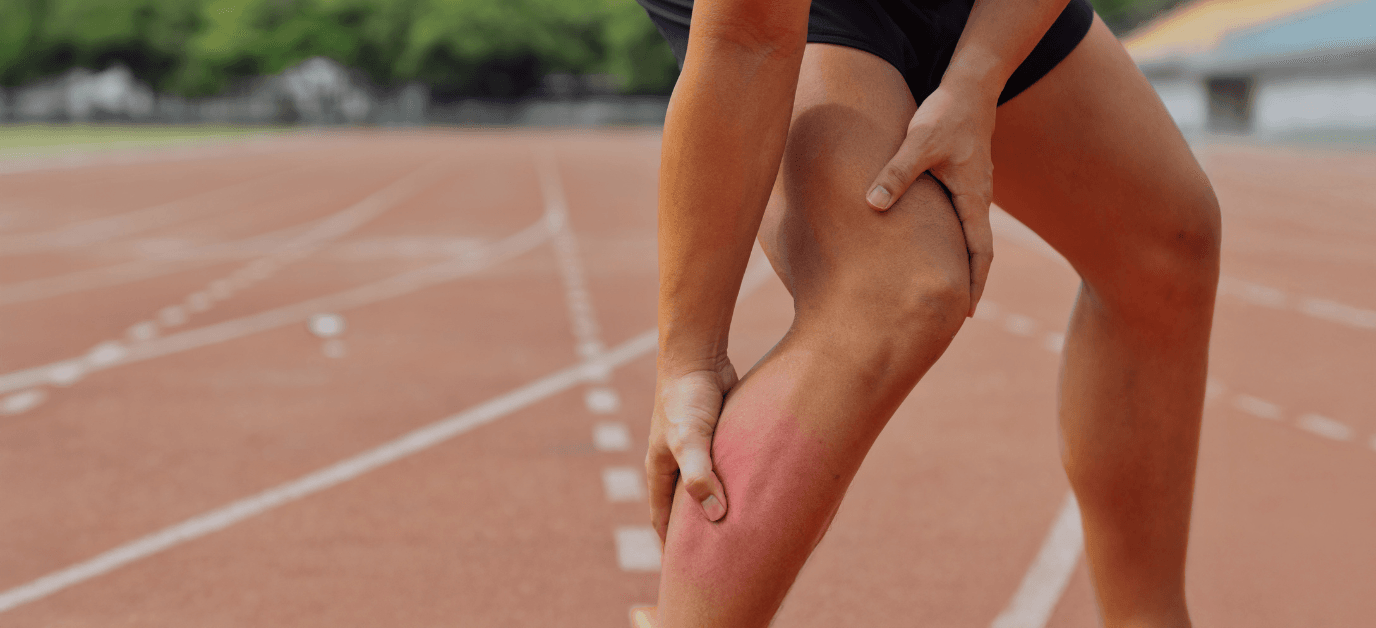
How to Train Smarter During Hot Weather?
To survive a summer heatwave without losing your hard-earned fitness, you need to temporarily redefine your approach to training. Instead of rigidly sticking to a plan at all costs, focus on flexibility and apply a few simple principles to lighten the load on your body:
Choose the right timing – Move your sessions to early morning, when the air is still crisp, or late evening after the sun has set.
Reduce the load – Shorten your workout duration by 15–20%, or intentionally lower the weights you use and slow down your running pace.
Seek shade – Avoid exercising in direct sunlight. Choose air-conditioned gyms, shady parks, or forest trails.
Pay attention to your clothing – Wear light, loose, and breathable technical apparel that effectively wicks moisture and aids thermoregulation.
Extend your breaks – Give yourself more time to catch your breath and lower your heart rate between sets or intervals.
Be an observer – Closely monitor your body's reactions at all times. At the first sign of feeling unwell, sudden flushing, or chills, stop exercising immediately and move to a cool room.
The most important takeaway for the summer is simple: a good workout in the heat does not have to set any records. Under difficult thermal conditions, the keys to success are proper hydration, smartly chosen nutritional support, and listening closely to the signals your body sends. Remember that sensibly letting go of part of your plan or reducing intensity will benefit your overall fitness far more than pushing yourself at all costs.

References:
Tai CY, Joy JM, Falcone PH, Carson LR, Mosman MM, Straight JL, Oury SL, Mendez C Jr, Loveridge NJ, Kim MP, Moon JR. An amino acid-electrolyte beverage may increase cellular rehydration relative to carbohydrate-electrolyte and flavored water beverages. Nutr J. 2014 May 26;13:47. doi: 10.1186/1475-2891-13-47. PMID: 24884613; PMCID: PMC4052333.
EFSA Panel on Dietetic Products, Nutrition and Allergies (NDA). (2015). Scientific opinion on the safety of caffeine. EFSA Journal, 13(5), 4102.
https://doi.org/10.2903/j.efsa.2015.4102 Miller KC, McDermott BP, Yeargin SW, Fiol A, Schwellnus MP. An Evidence-Based Review of the Pathophysiology, Treatment, and Prevention of Exercise-Associated Muscle Cramps. J Athl Train. 2022 Jan 1;57(1):5-15. doi: 10.4085/1062-6050-0696.20. PMID: 34185846; PMCID: PMC8775277.
European Commission. (2012). Commission Regulation (EU) No 432/2012 of 16 May 2012 establishing a list of permitted health claims made on foods, other than those referring to the reduction of disease
risk and to children’s development and health. Official Journal of the European Union, L 136, 1-40.