What to Pack for a Long Training Session: A Practical Guide for Runners, Cyclists and Active People
08.10.2026Table of contents
- 1.A Long Training Session Starts Before You Leave
- 2.Stay Hydrated – What and How Much Should You Take to Drink?
- 3.Fuel for the Next Kilometres – What to Eat During Training?
- 4.Small Essentials That Can Save Your Training Session
- 5.Running, Cycling or Hiking? Pack for Your Specific Route
- 6.Test Your Setup Before You Set Off
Recommended products
A half marathon in the rain, a 100-kilometre road ride, or an all-day hike in the mountains – many active people know the moment when their energy suddenly starts to run out and their bottle is already empty. Proper gear preparation is not just a matter of convenience, but also of safety and being able to complete your training as planned. So before you put on your running shoes or get on your bike, check what to pack in your backpack to avoid a crisis, maintain your performance and get the most satisfaction out of every kilometre!
A Long Training Session Starts Before You Leave
Packing “just in case” often results in a heavy backpack, while being overly minimalist can leave you without something you suddenly find you need. So before you head out, ask yourself a few questions:
- How much time will you spend on the move?
- How demanding is the route?
- Where can you replenish your supplies along the way?
Also check the weather forecast, elevation gain, and the availability of mountain shelters, shops or service stations. You will pack differently for a two-hour training session in the city than for an all-day trip far from any buildings. Good gear does not have to be extensive. It should, however, be well suited to your needs.
Stay Hydrated – What and How Much Should You Take to Drink?
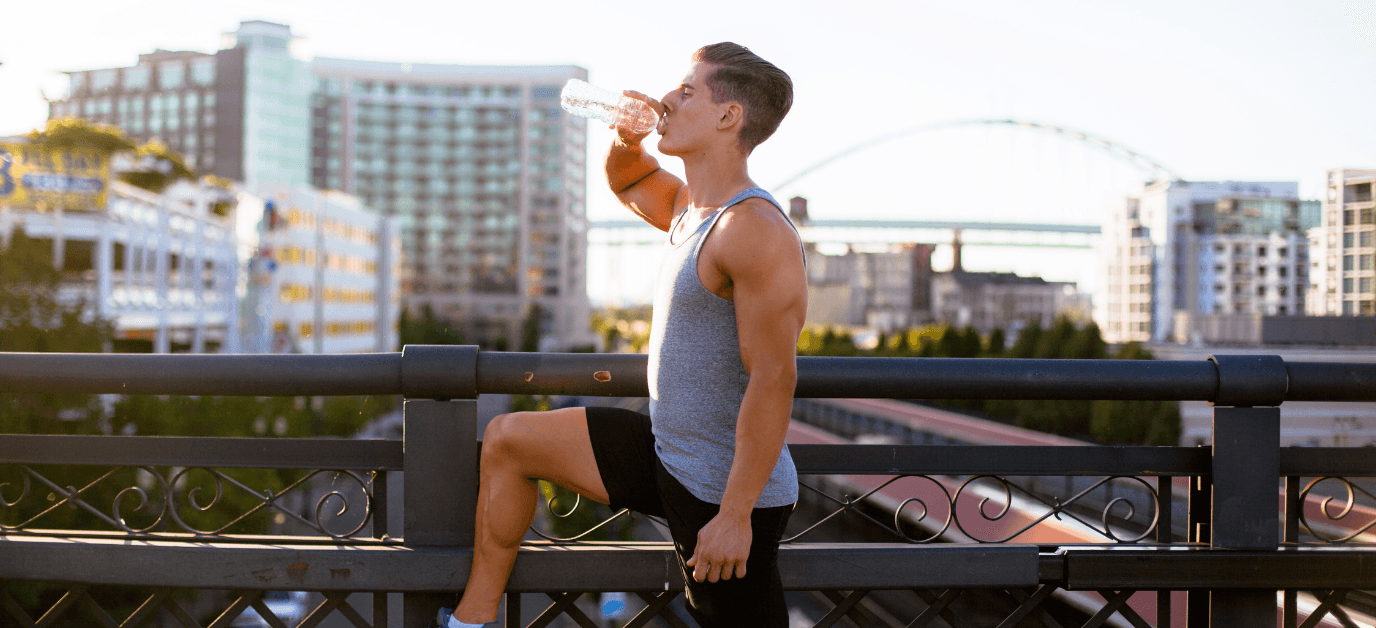
An empty bottle halfway through your route is a problem that is easy to avoid. Adjust the amount of fluids you take to the duration and intensity of your effort, the temperature, humidity and your individual sweat rate. There is no single amount that is right for everyone. Access to shops, water sources and aid stations also matters. For a shorter route, a bottle or soft flask may be enough, while a hydration bladder may be more convenient during several hours of activity.
Do not wait until you are extremely thirsty before drinking. It is better to take smaller amounts regularly than to drink a large quantity all at once. During prolonged exercise, especially in hot weather, you may want to take a drink containing electrolytes. When you sweat, you lose not only water but also minerals [1].
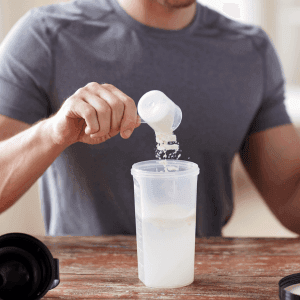
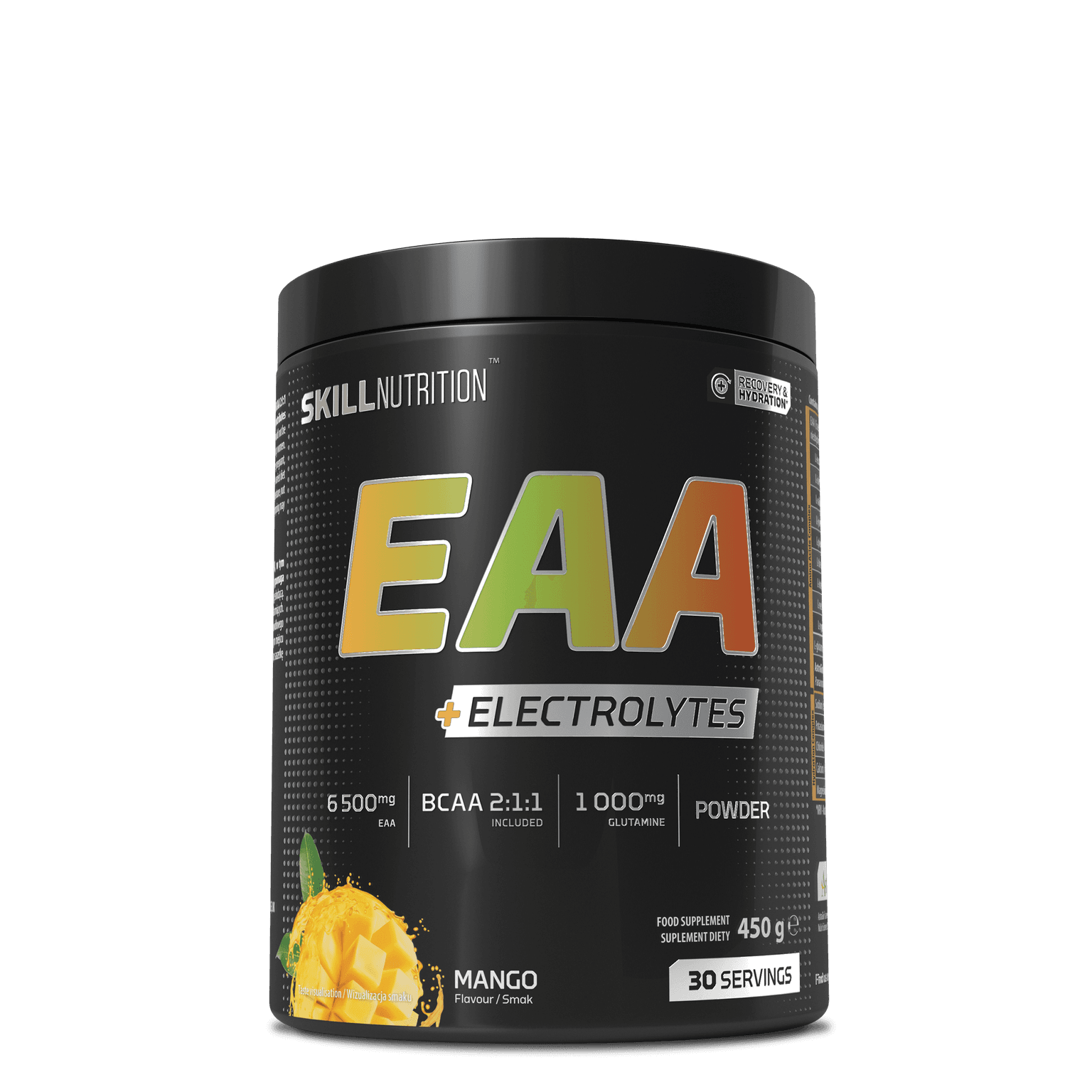
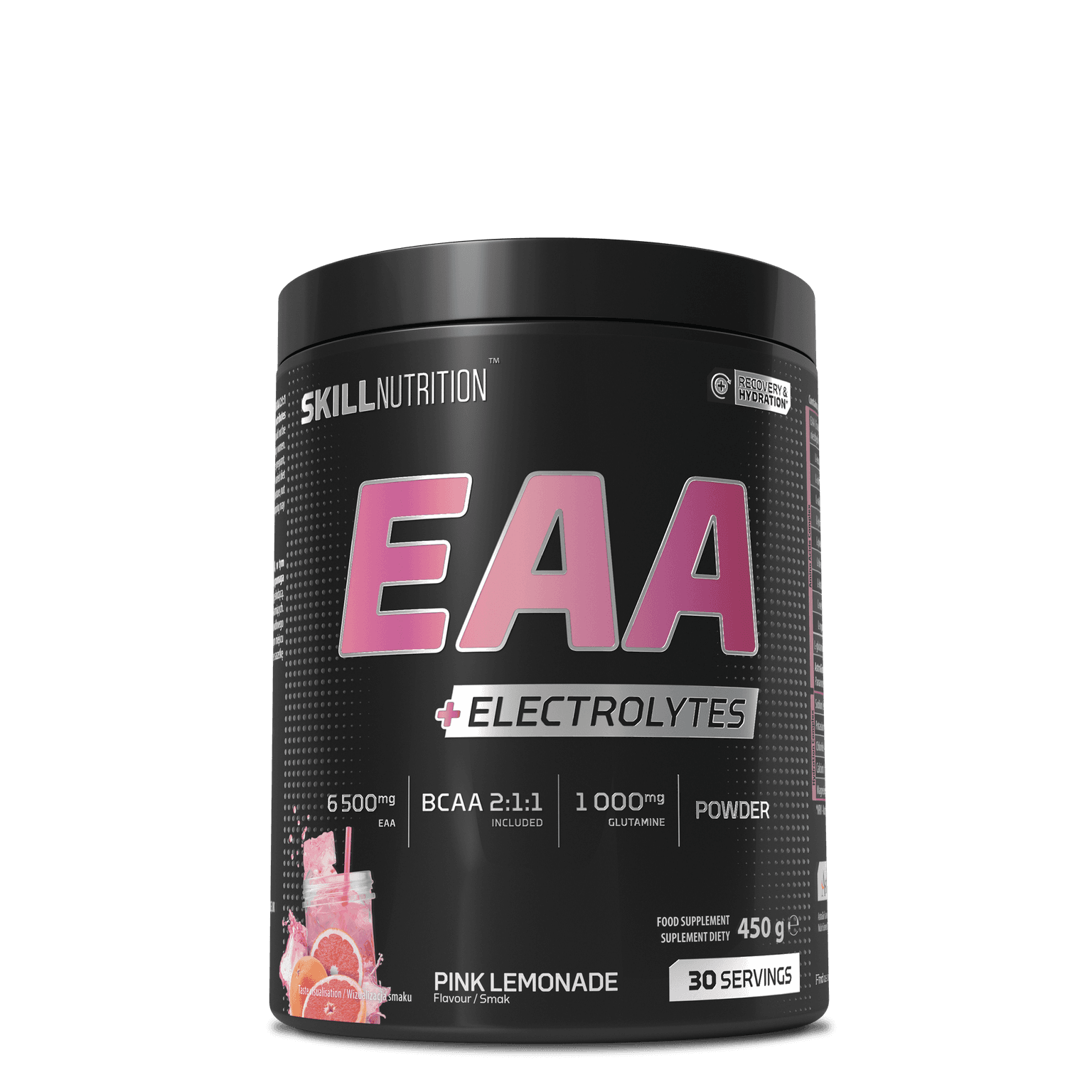
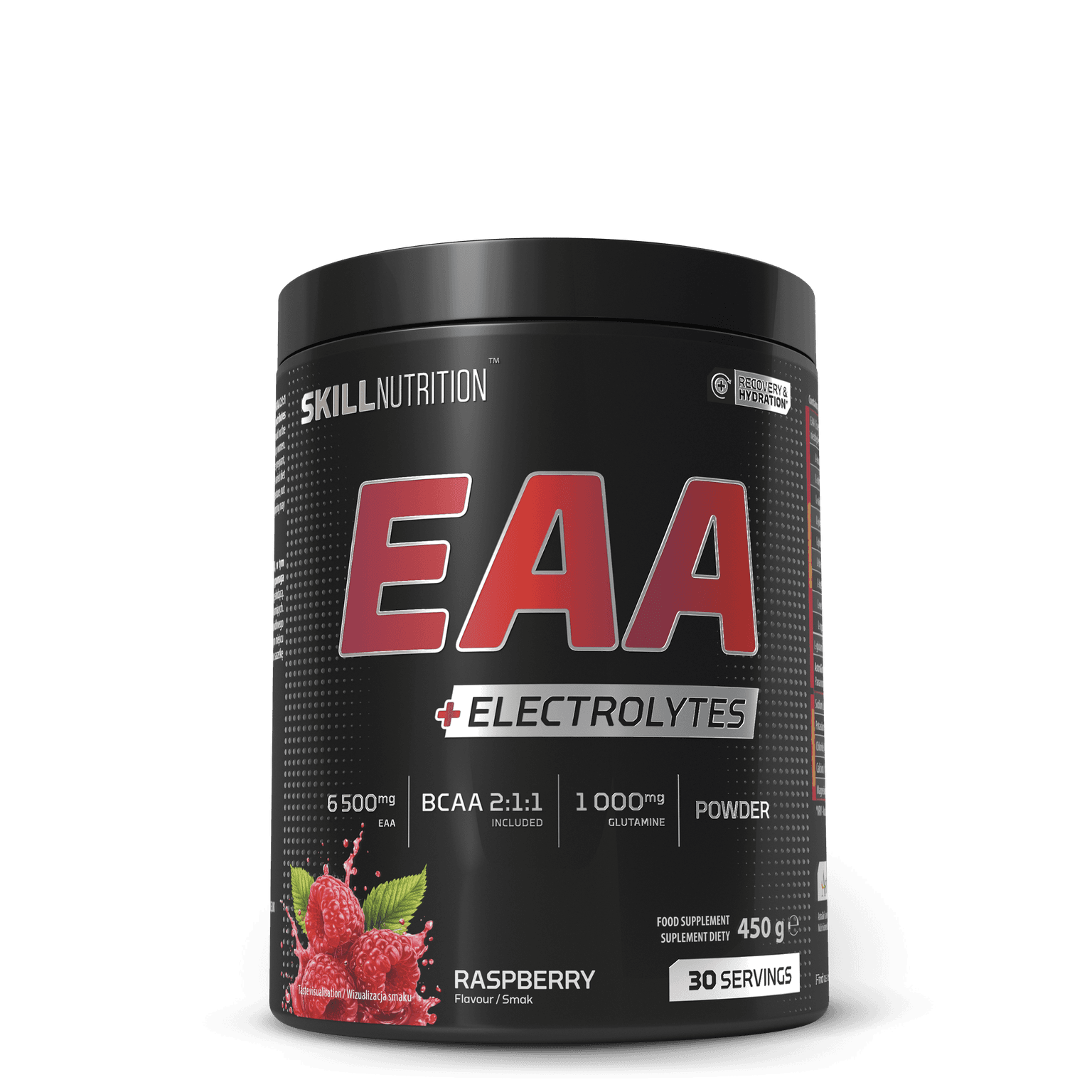
One option for replenishing them is EAA + Electrolytes Orange from Skill Nutrition – a powdered dietary supplement combining essential amino acids and electrolytes. Prepare a serving according to the manufacturer's instructions, pour it into your bottle and take it with you on your route. The orange version has a distinctive fruity flavour, and the product is also available in three other varieties: raspberry, mango and pink lemonade.
Fuel for the Next Kilometres – What to Eat During Training?
Even the most substantial breakfast will not always be enough to get you through a long route. That is why it is worth leaving some room in your pocket or backpack for carbohydrate-rich foods. An energy gel, ripe banana, dried fruit, energy bar, rice cakes or a small sandwich – the choice depends both on the type of activity and on what your digestive system tolerates well.
However, do not treat your food supplies as an emergency kit that you only open when your energy suddenly drops. During several hours of exercise, have small portions at regular intervals. Test every product during a shorter training session first. Race day, a demanding trip or a long route far from home is definitely not the best time to experiment with your nutrition.
Small Essentials That Can Save Your Training Session
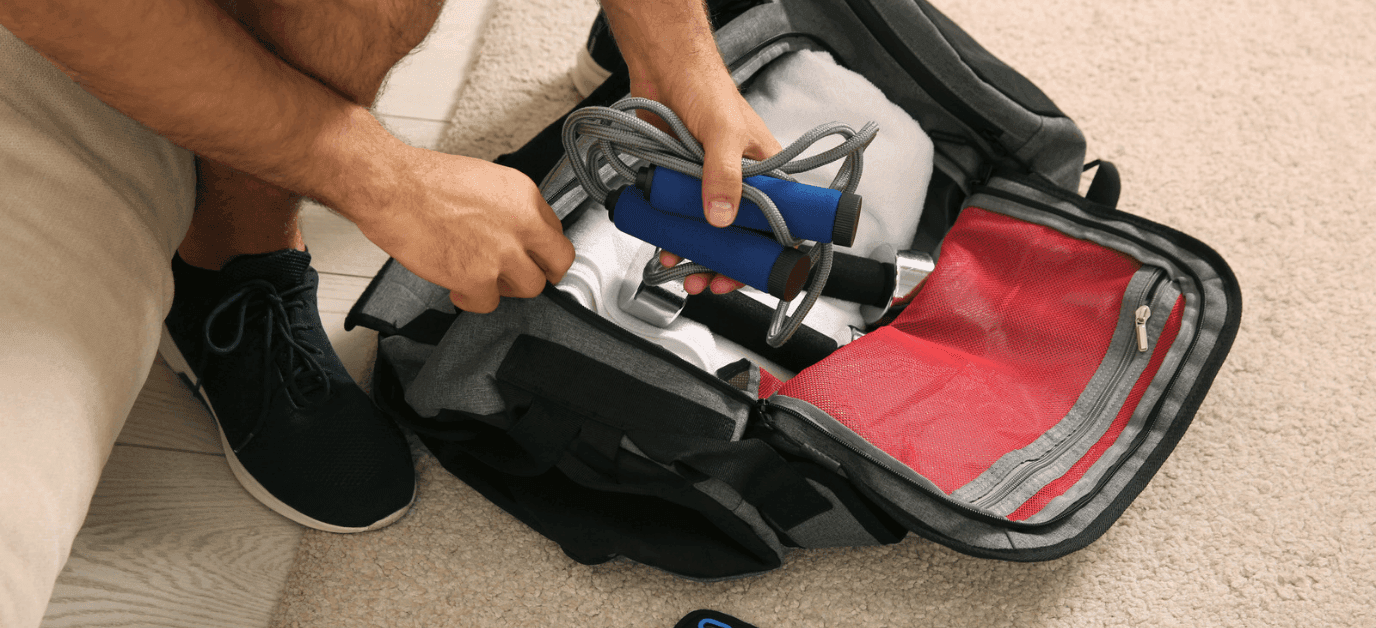
Not everything you take with you has to be useful on every kilometre. Some items simply need to be there in case the weather changes, darkness falls or a minor problem occurs. Adjust the list to your route, discipline and conditions, but before setting off, consider packing:
- a phone with emergency numbers saved and an offline map,
- an ID or wristband with your contact details,
- a lightweight rain jacket or an additional layer of clothing,
- sunscreen, a hat and sunglasses,
- a basic first-aid kit, an emergency blanket and tissues,
- a headlamp or bike lights,
- a spare inner tube, tyre levers, a pump and a multitool for cycling,
- a small power bank, payment card or cash.
This does not mean that you need to set off for a one-hour city run with a backpack. However, the longer, more remote and technically demanding the route, the greater the safety margin you should consider.
Running, Cycling or Hiking? Pack for Your Specific Route
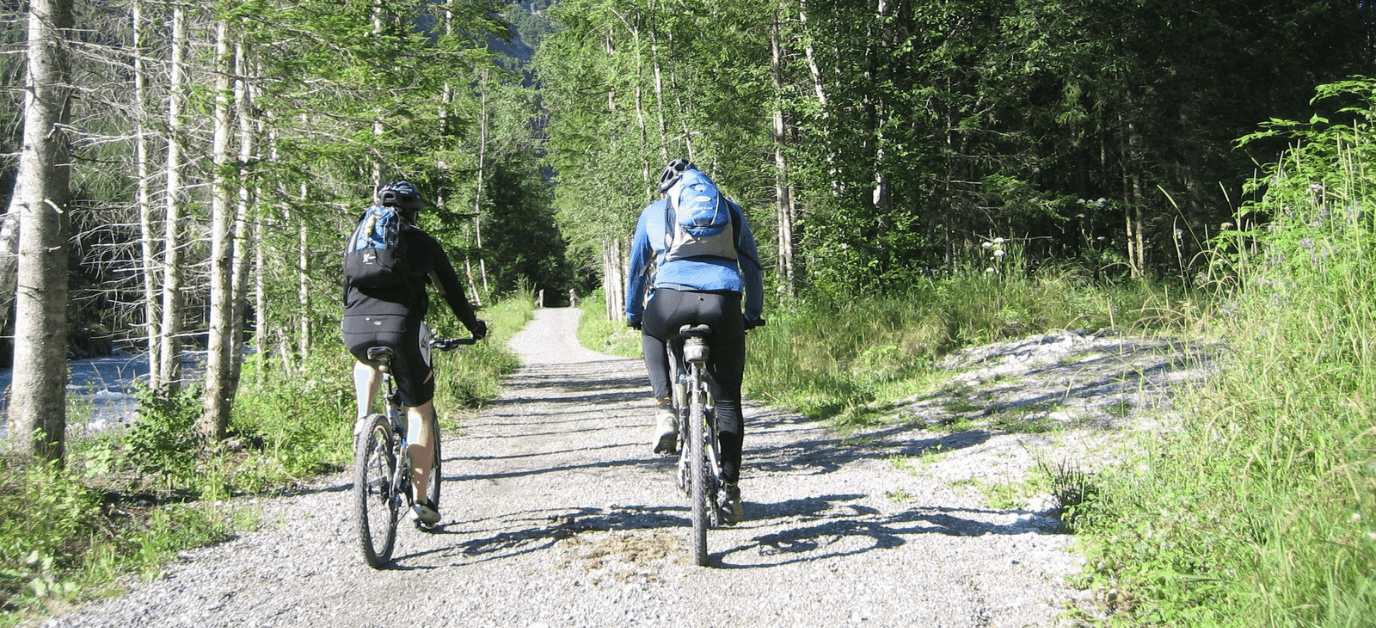
A runner counts every extra gram, a cyclist can use jersey pockets and a saddle bag, while someone heading into the mountains needs to be prepared for rapidly changing conditions. There is no universal packing list – your gear should match the activity you have planned.
Before setting off, consider how long the training session will take, where you can refill your water, whether you will have mobile coverage along the way and what time it will get dark. In the city, it is easy to shorten your route or stop at a shop. Several dozen kilometres from home, a forgotten bottle, missing light or unsuitable clothing may mean having to cut your trip short. Good gear does not have to be bulky – it just needs to be well thought out.
Test Your Setup Before You Set Off
There is no point testing new shoes or nutrition products for the first time during a race or your longest trip of the season. An earlier training session will let you check whether your vest causes chafing, whether your bottle is easy to reach and whether your chosen snacks work well during exercise. Also pay attention to how your gear is arranged – items you need most often should be within easy reach.
When you get back, check what you actually used, what you were missing and what was simply unnecessary weight throughout the entire route. This way, with every subsequent trip, you can build a setup perfectly suited to your discipline, distance and individual needs.
Sources:
- American College of Sports Medicine; Sawka MN, Burke LM, Eichner ER, Maughan RJ, Montain SJ, Stachenfeld NS. American College of Sports Medicine position stand. Exercise and fluid replacement. Med Sci Sports Exerc. 2007 Feb;39(2):377-90. doi: 10.1249/mss.0b013e31802ca597. PMID: 17277604.
Table of contents
- 1.A Long Training Session Starts Before You Leave
- 2.Stay Hydrated – What and How Much Should You Take to Drink?
- 3.Fuel for the Next Kilometres – What to Eat During Training?
- 4.Small Essentials That Can Save Your Training Session
- 5.Running, Cycling or Hiking? Pack for Your Specific Route
- 6.Test Your Setup Before You Set Off