
Amino Acids in Sports: L-methionine, L-arginine, and L-carnosine – What Are the Differences?
14.05.2026Recommended products
Amino acids are often lumped together under the broad label of "support for the active," even though each one participates in different metabolic pathways and appears in entirely different nutritional contexts. In sports, researchers are particularly interested in compounds that do not just serve a structural function but are also subjects of study regarding exercise adaptation, recovery, and daily dietary balance.
Why doesn't every amino acid work the same way in sports?
Understanding the differences between individual compounds begins with their biological classification. In sports supplementation, we operate within three distinct categories: essential amino acids (EAA) that must be supplied from the outside (such as L-methionine), non-essential amino acids that the body synthesizes on its own, though sometimes in insufficient quantities (such as L-arginine), and dipeptides, which are a combination of two molecules (such as L-carnosine) [1].
Physically active individuals are increasingly analyzing the amino acid profile of their diet—rather than just overall protein intake—because each substance enters different metabolic pathways. These differences stem from:
Varied absorption kinetics – free-form amino acids bypass the digestion process required for complex proteins.
Unique regulatory functions – some molecules are primarily used to build structures, while others act as messengers or precursors for subsequent compounds [1].
Rather than assigning amino acids a simple, linear effect, it is better to view them as elements supporting the homeostasis of a body under physical stress. Their specific participation in metabolic processes determines when and which one is worth incorporating into your diet.
L-methionine – An essential amino acid at the start of protein processes
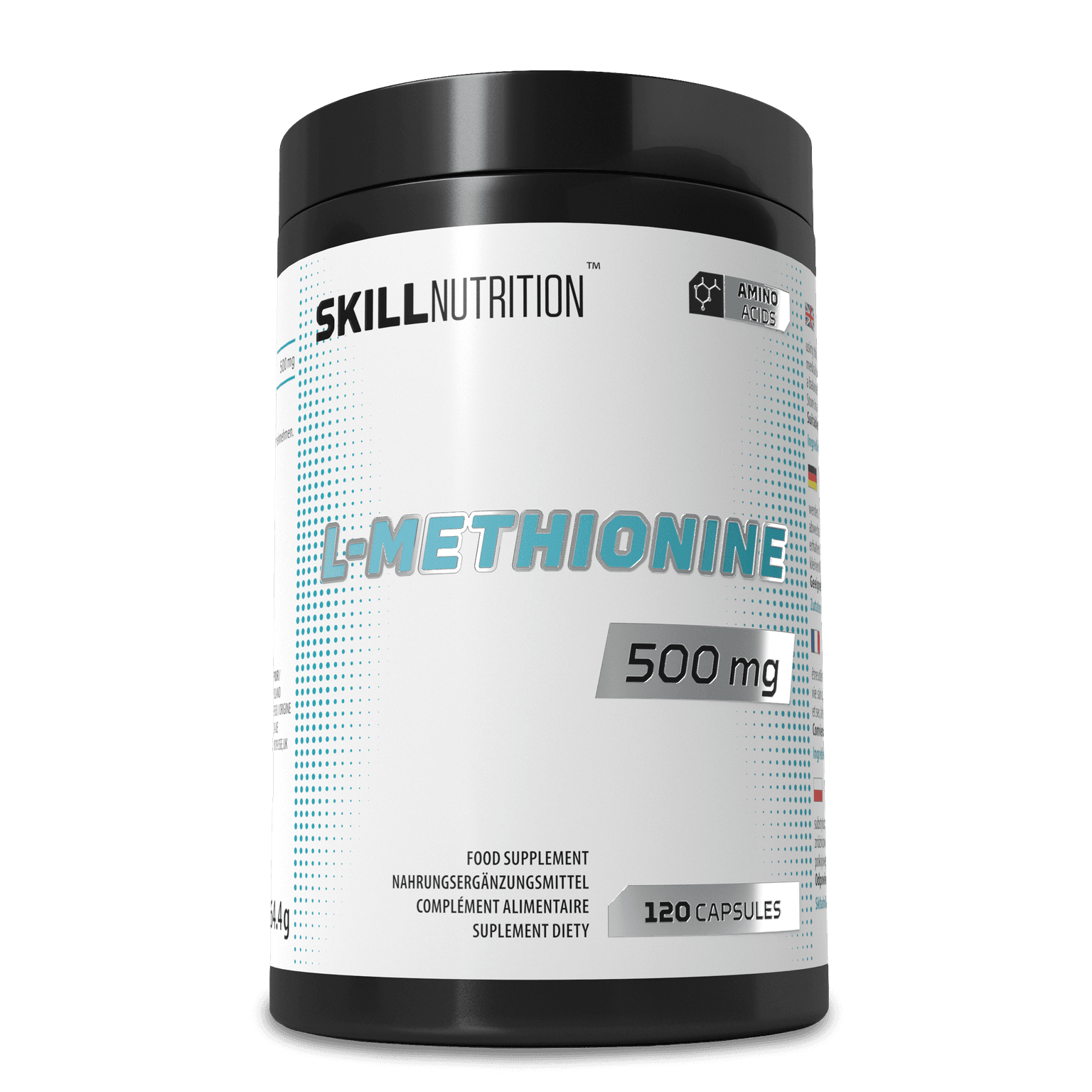
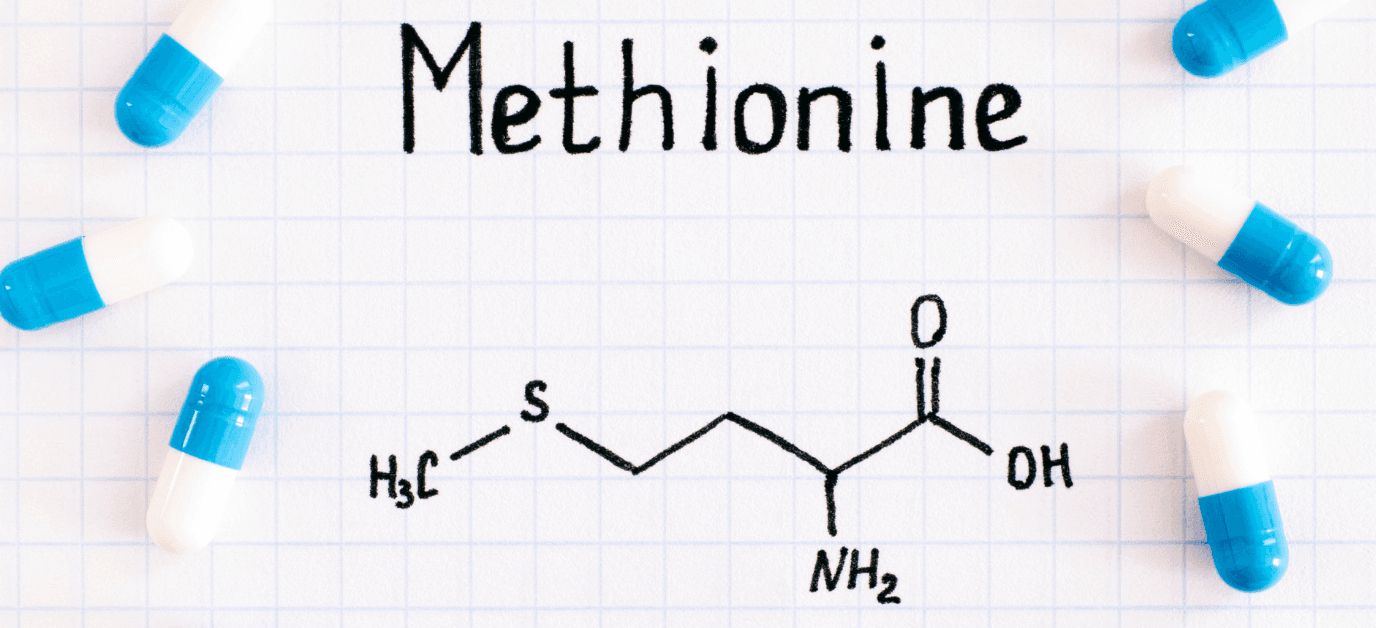
L-methionine holds a special place among essential amino acids because, in the genetic code, it serves as the "start" signal for the creation of new proteins. Its presence is vital for the protein biosynthesis mechanism to function correctly. What physically distinguishes it from most other compounds is the presence of sulfur in its structure, which plays a major role in maintaining cell integrity and participates in the synthesis of glutathione—one of the key intracellular antioxidants [2].
In a daily menu, sources of methionine vary; however, plant-based diets tend to be lower in it, making it a relevant supplement for vegans and vegetarians. Choosing L-methionine in free-form ensures high bioavailability and rapid absorption directly in the small intestine. This ensures the body has access to this key amino acid during periods of intense strain when demand is highest.
L-arginine – Closely analyzed in the context of physical exertion
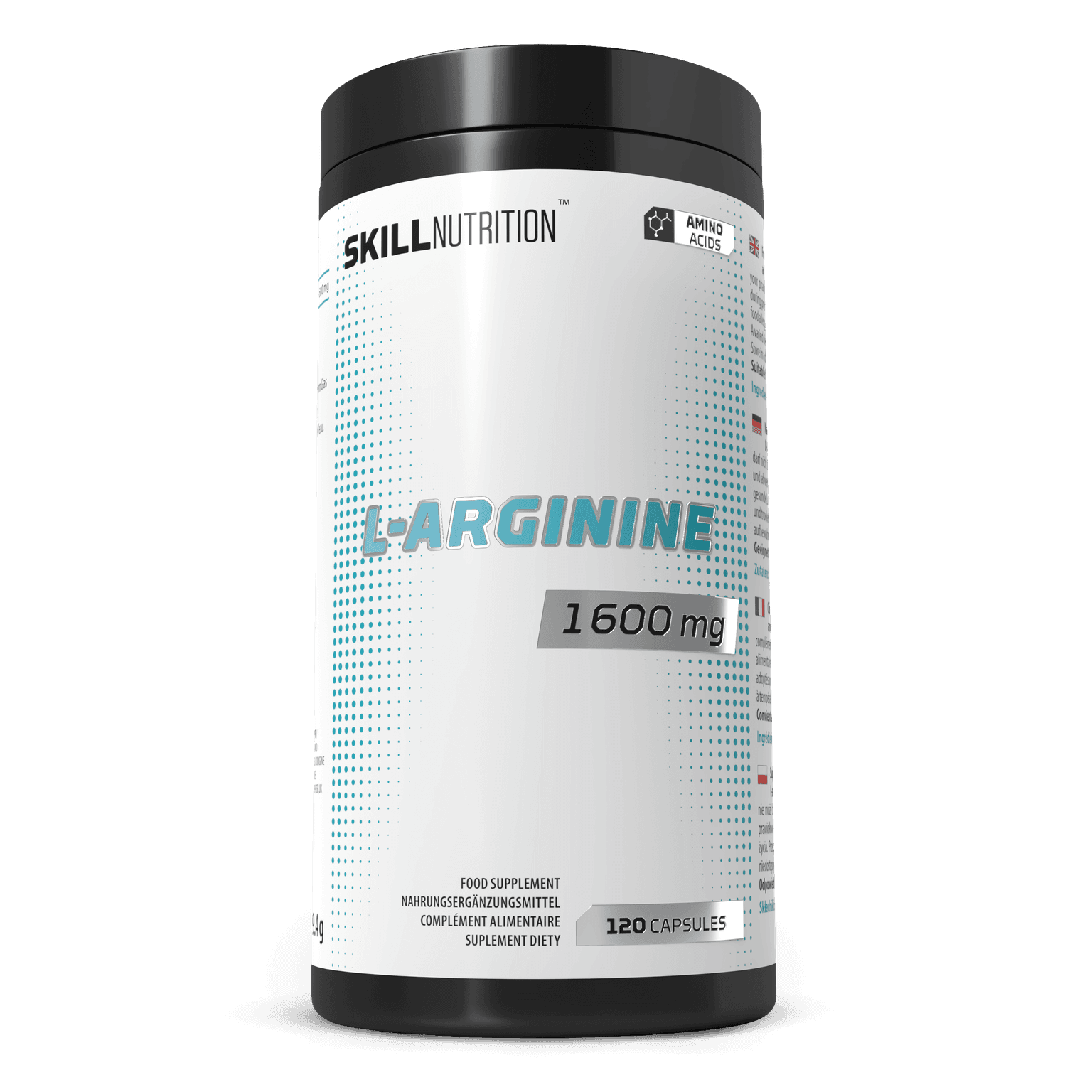
L-arginine belongs to the group of endogenous (non-essential) amino acids, meaning our body can synthesize it. However, in sports literature, it is often referred to as "conditionally essential"—in situations of increased physical exertion or high physiological stress, natural production may prove insufficient [3]. Key points of interest regarding L-arginine in sports include:
Role as a Nitric Oxide (NO) precursor – studies indicate that arginine is involved in the production of the NO molecule, which affects the diameter of blood vessels, potentially promoting more efficient transport of oxygen and nutrients to working muscles [3].
Biosynthesis foundation – it is essential for the formation of other important compounds, such as creatine or proline (a component of collagen) [3].
L-carnosine – How does it differ from classic amino acids?
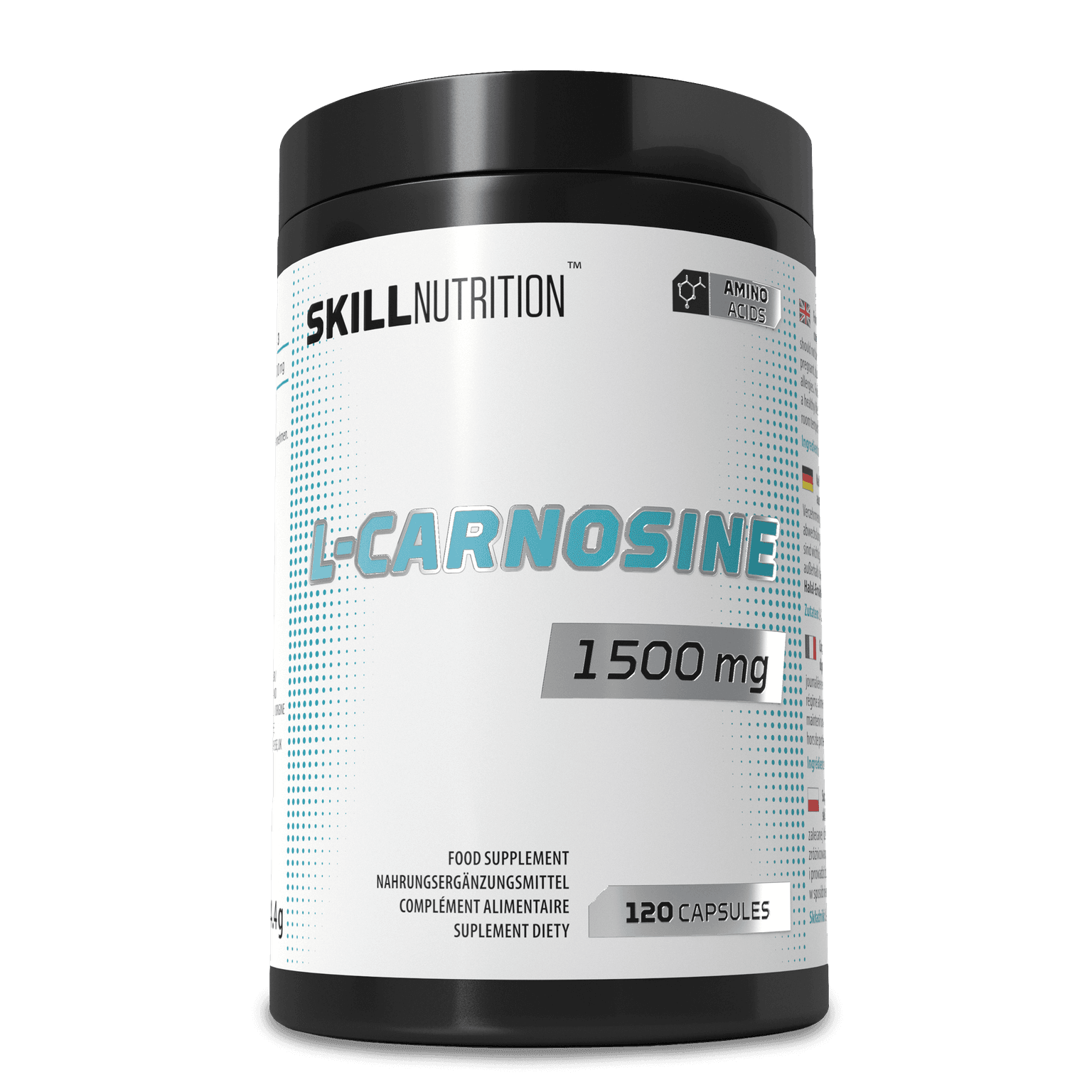
L-carnosine stands out from other supplements due to its structure—it is not a single amino acid, but a dipeptide formed by combining beta-alanine and histidine. In the human body, the highest concentrations of this compound are found in tissues with high metabolic activity, such as skeletal muscles, the heart, and the brain. It plays a stabilizing role there, which makes its levels a point of interest regarding intense lifestyles and the body's natural aging processes [4].
Choosing a ready-to-use L-carnosine supplement allows for the replenishment of this compound's resources, providing direct support for the body's pool. This is particularly important for those on plant-based diets, as carnosine occurs naturally mainly in meat products.
When is it worth paying attention to different amino acid profiles?
Selecting the right amino acid profile depends on the nature of your exertion and your primary training goal. The body has different requirements when building an endurance base compared to working on strength or during a restrictive weight-loss phase.
For instance, in resistance training, the availability of protein synthesis initiators becomes a priority. In endurance disciplines, more weight is placed on stabilizing the intracellular environment and optimizing the transport of oxygen and nutrients.
Note: Supplementation is a support tool that should always go hand-in-hand with a balanced diet. A conscious approach involves matching specific compounds to your lifestyle, training intensity, and potential dietary gaps—as is often the case with plant-based diets.
Managing your amino acid profile consciously allows for more targeted support. Instead of reaching for products at random, it is worth observing your lifestyle and choosing components whose supply from traditional sources may currently be difficult or insufficient.
Sources:
Wu, G. (2021). Amino Acids: Biochemistry and Nutrition (2nd ed.). CRC Press.
Brosnan JT, Brosnan ME. The sulfur-containing amino acids: an overview. J Nutr. 2006.
McNeal CJ, et al. Safety and Effectiveness of Arginine in Adults. J Nutr. 2016.
Boldyrev AA, et al. Physiology and pathophysiology of carnosine. Physiol Rev. 2013.