Collagen and injury recovery: What you need to know
22.01.2026Recommended products
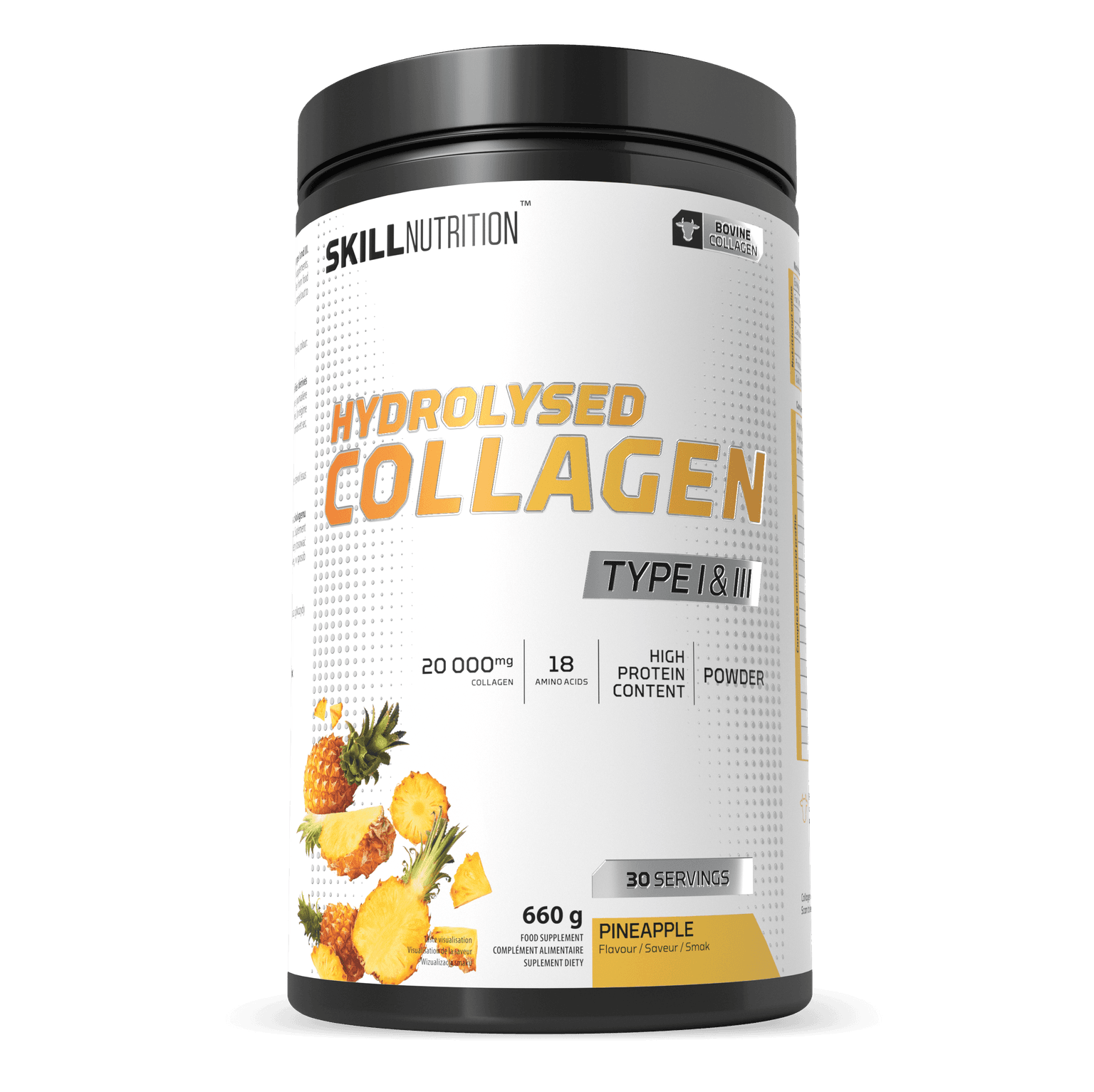
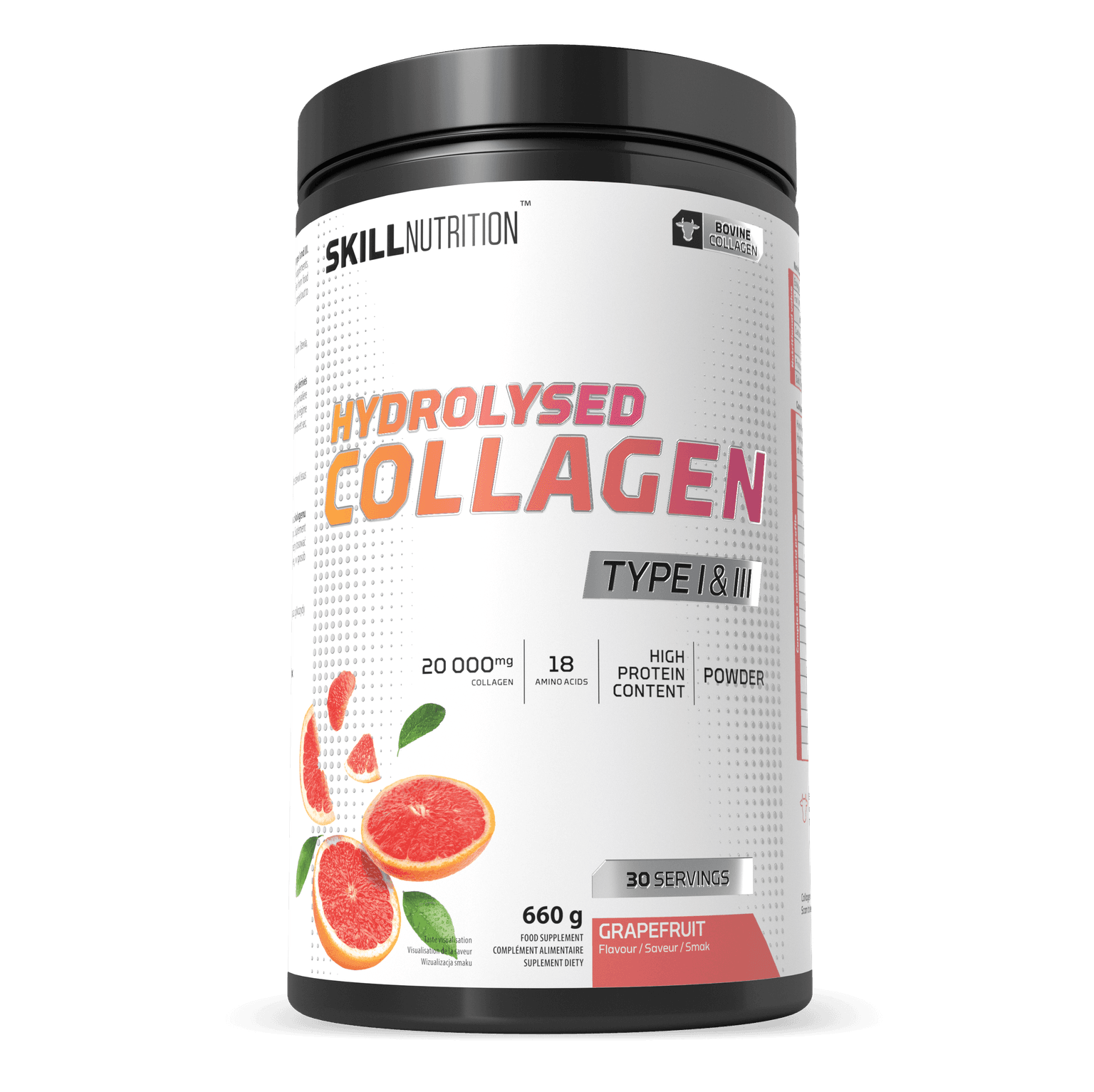
An injury can turn your daily life upside down. Suddenly, instead of workouts or walks, your schedule is filled with rest and rehabilitation. During this time, many of us look for natural ways to support the body in returning to full strength. One such way is collagen – a protein that serves as the fundamental building block of connective tissue, tendons, and cartilage. Why is its presence in the diet important, and what does the research say?
Collagen – The Body’s Natural Building Block
Collagen is one of the most abundant proteins in the body. It is estimated to make up about 25-35% of all proteins. It is found in connective tissue, tendons, cartilage, bones, and skin, providing them with structure and durability [1].
The body's natural production of collagen declines with age. This is why, over time, we notice reduced skin elasticity or a slower rate of recovery after intense exercise. For physically active individuals, and even more so after injuries, this decline can be particularly noticeable [2]. Therefore, it is crucial to support the body with a proper diet and ingredients that help maintain the healthy condition of tissues.
Interestingly, collagen is not uniform. Scientists distinguish between different types that perform slightly different functions. For example, Type I dominates in bones and tendons, while Type II is found in cartilage. However, they all share a common trait: they are essential for our musculoskeletal system to function efficiently [3]. This is why collagen is a frequent topic among athletes, physiotherapists, and recovery specialists.
Amino Acids That Make a Difference
Although collagen is most often discussed as a whole protein, it is worth looking at its internal structure. It consists primarily of amino acids – the small bricks the body uses to build its structures. The most important ones are glycine and proline. They are responsible for the characteristic, strong structure of collagen fibers [4].
Glycine is the smallest of the amino acids but holds immense importance. It makes up about one-third of all collagen. Thanks to it, fibers can be densely packed and resistant to stress.
Proline provides collagen with flexibility and stability, while its derivative – hydroxyproline – plays a vital role in maintaining the correct structure of the fibers [4].
What does this mean in practice? The body needs an adequate supply of these components to produce collagen. A protein-rich diet and well-balanced meals help provide the building materials for daily regenerative processes. For this reason, maintaining a diverse menu supports the body’s natural rhythm of reconstruction [1]. This is also why collagen supplements often highlight their amino acid content.
Collagen and Vitamin C
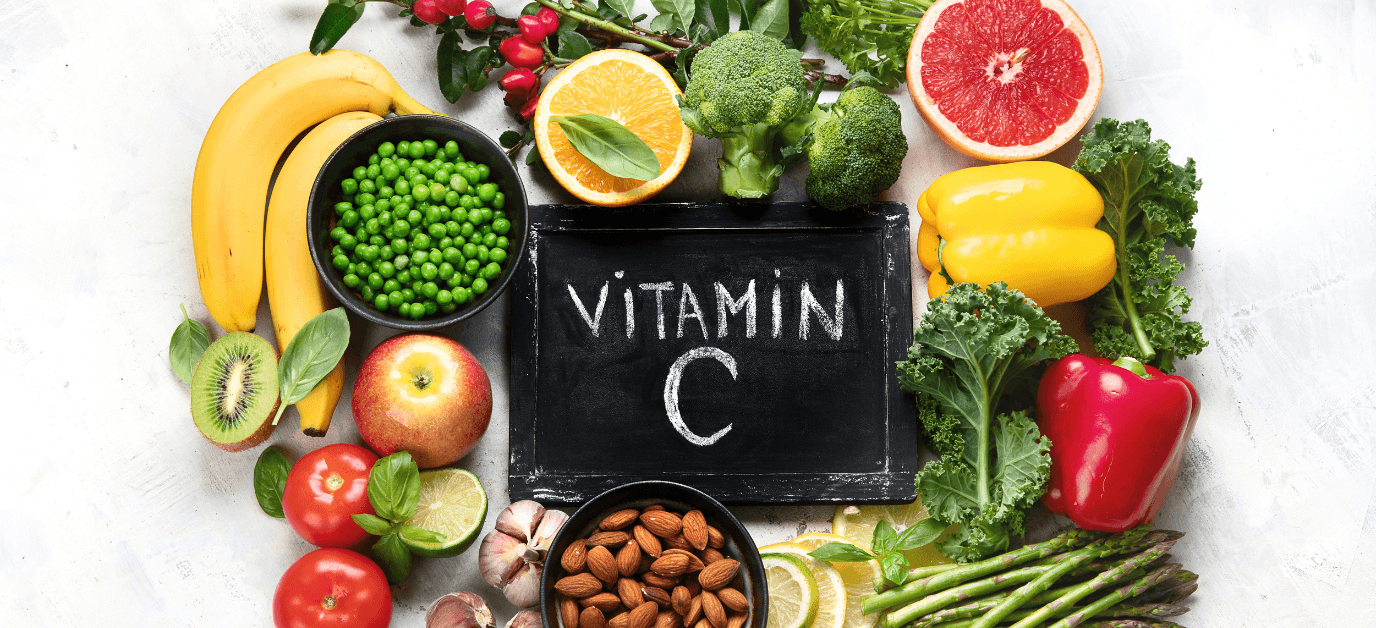
For the body to effectively produce collagen, it needs not only amino acids but also the right "tools." One of these is Vitamin C, which supports the process of linking fibers into stable structures. It participates in the conversion of proline into hydroxyproline. Therefore, its presence in the diet is essential for the proper synthesis of collagen [5].
It is important for the diet to be rich in Vitamin C sources: peppers, citrus fruits, parsley, or fermented foods (pickles). This is also why many collagen supplements combine collagen and Vitamin C, creating a synergistic duo: the building material plus the ingredient that supports its proper utilization.
What Does Scientific Research Say?
Collagen has been at the center of scientific interest for years, especially regarding physical activity and recovery. Although research is ongoing, publications increasingly suggest that supplementation with collagen peptides can support physiological processes related to maintaining the proper structure of tissues, including joints and tendons [6].
Observations regarding physically active individuals are particularly interesting. Some studies suggest that collagen peptide supplementation may benefit the maintenance of tissue structure in active people, though results vary and require further study [7]. It should also be emphasized that the effects of supplementation are individual and may vary depending on lifestyle, nutrition, and biological predispositions.
It is worth remembering that collagen is not a medicine and does not replace professional therapy. It is a natural structural protein that the body utilizes in processes related to connective tissue maintenance.
Collagen in Practice – How to Introduce It into Your Diet?
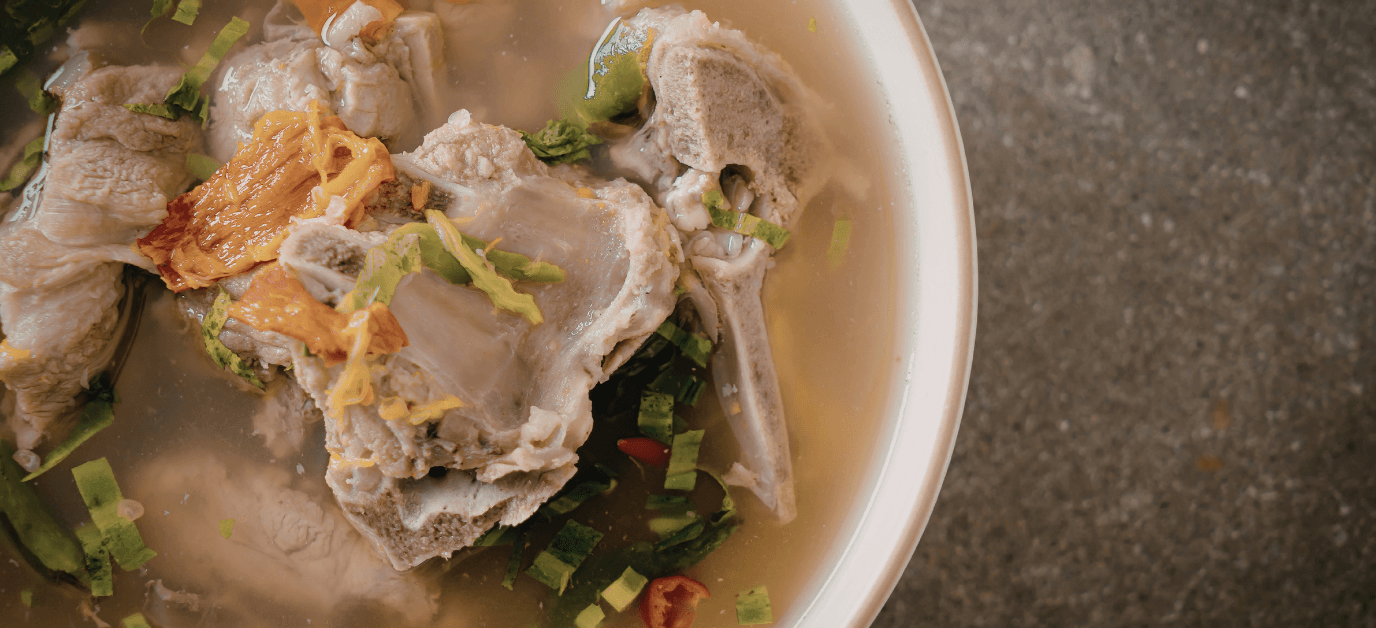
Collagen can be supplied through both diet and supplements. It occurs naturally in long-cooked bone broths, jellies, or gelatin, but in a fast-paced daily life, such meals are not always easy to come by [8]. This is why dietary supplements – most often in the form of collagen hydrolysate or peptides – are becoming increasingly popular. They can be easily added to a smoothie, oatmeal, or simply dissolved in water.
However, remember that collagen is only one piece of the puzzle. It is not a substitute for a healthy, balanced diet, adequate sleep, and movement, but it can be a valuable addition. By introducing it mindfully, we support the body’s natural regenerative processes.
Sources:
- Shoulders MD, Raines RT. Collagen structure and stability. Annu Rev Biochem. 2009;78:929-58. doi: 10.1146/annurev.biochem.77.032207.120833. PMID: 19344236; PMCID: PMC2846778.
- Varani J, Dame MK, Rittie L, Fligiel SE, Kang S, Fisher GJ, Voorhees JJ. Decreased collagen production in chronologically aged skin: roles of age-dependent alteration in fibroblast function and defective mechanical stimulation. Am J Pathol. 2006 Jun;168(6):1861-8. doi: 10.2353/ajpath.2006.051302. PMID: 16723701; PMCID: PMC1606623.
- Amirrah IN, Lokanathan Y, Zulkiflee I, Wee MFMR, Motta A, Fauzi MB. A Comprehensive Review on Collagen Type I Development of Biomaterials for Tissue Engineering: From Biosynthesis to Bioscaffold. Biomedicines. 2022 Sep 16;10(9):2307. doi: 10.3390/biomedicines10092307. PMID: 36140407; PMCID: PMC9496548.
- Ricard-Blum S. The collagen family. Cold Spring Harb Perspect Biol. 2011 Jan 1;3(1):a004978. doi: 10.1101/cshperspect.a004978. PMID: 21421911; PMCID: PMC3003457.
- Pullar JM, Carr AC, Vissers MCM. The Roles of Vitamin C in Skin Health. Nutrients. 2017 Aug 12;9(8):866. doi: 10.3390/nu9080866. PMID: 28805671; PMCID: PMC5579659.
- Shaw G, Lee-Barthel A, Ross ML, Wang B, Baar K. Vitamin C-enriched gelatin supplementation before intermittent activity augments collagen synthesis. Am J Clin Nutr. 2017 Jan;105(1):136-143. doi: 10.3945/ajcn.116.138594. Epub 2016 Nov 16. PMID: 27852613; PMCID: PMC5183725.
- Clark KL, Sebastianelli W, Flechsenhar KR, Aukermann DF, Meza F, Millard RL, Deitch JR, Sherbondy PS, Albert A. 24-Week study on the use of collagen hydrolysate as a dietary supplement in athletes with activity-related joint pain. Curr Med Res Opin. 2008 May;24(5):1485-96. doi: 10.1185/030079908x291967. Epub 2008 Apr 15. PMID: 18416885.
- Bello AE, Oesser S. Collagen hydrolysate for the treatment of osteoarthritis and other joint disorders: a review of the literature. Curr Med Res Opin. 2006 Nov;22(11):2221-32. doi: 10.1185/030079906X148373. PMID: 17076983.