

EAA vs BCAA – what really works in endurance sports?
29.01.2026Table of contents
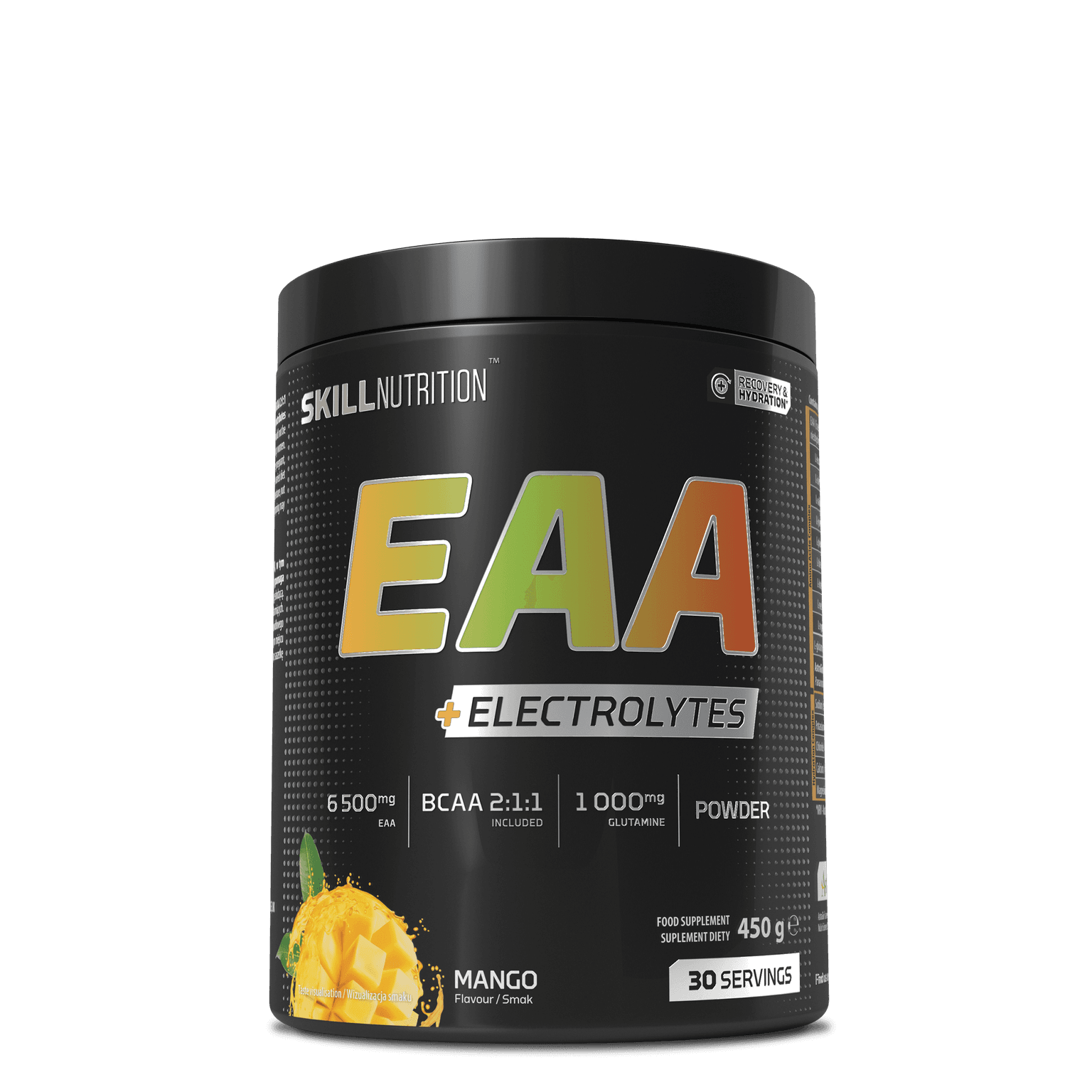
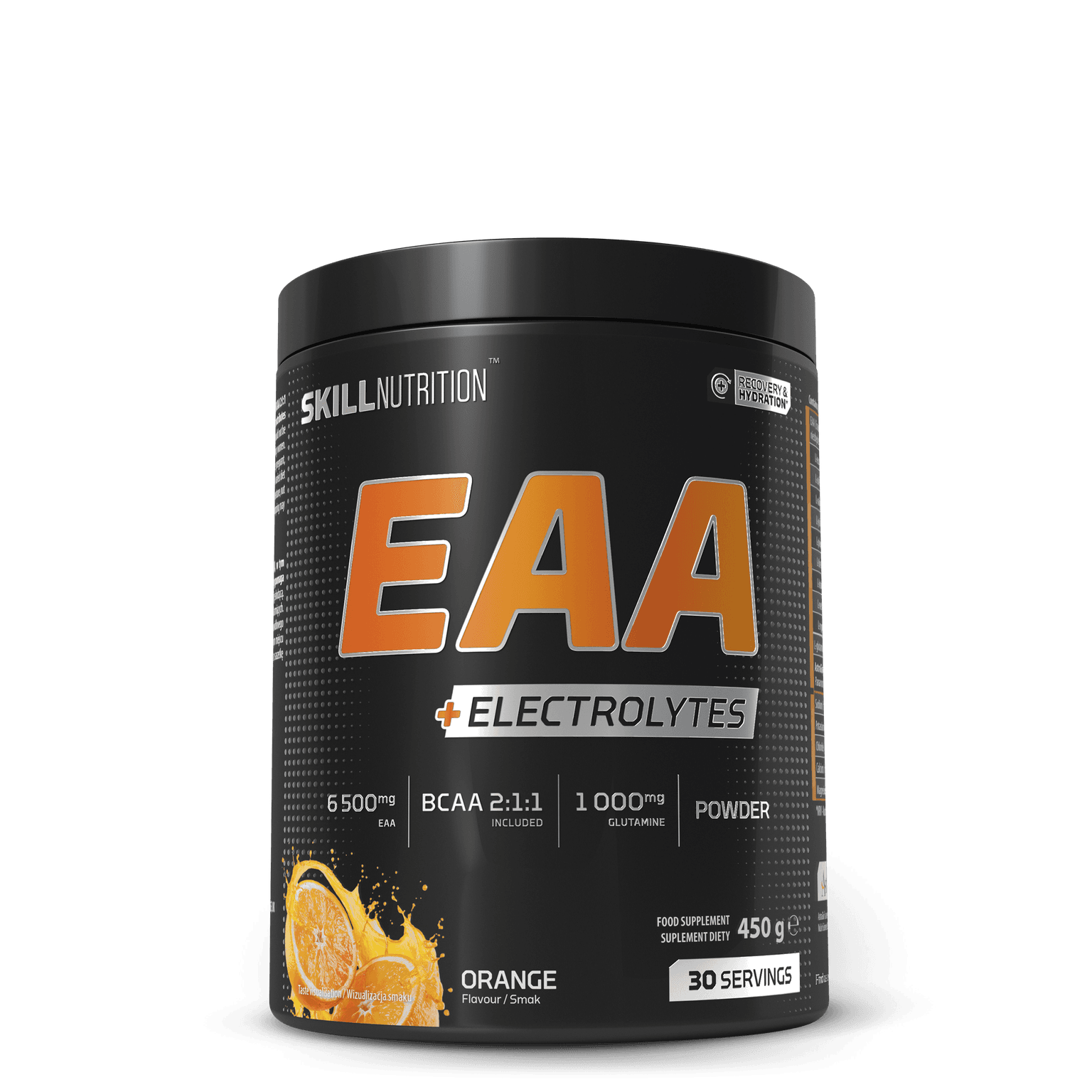
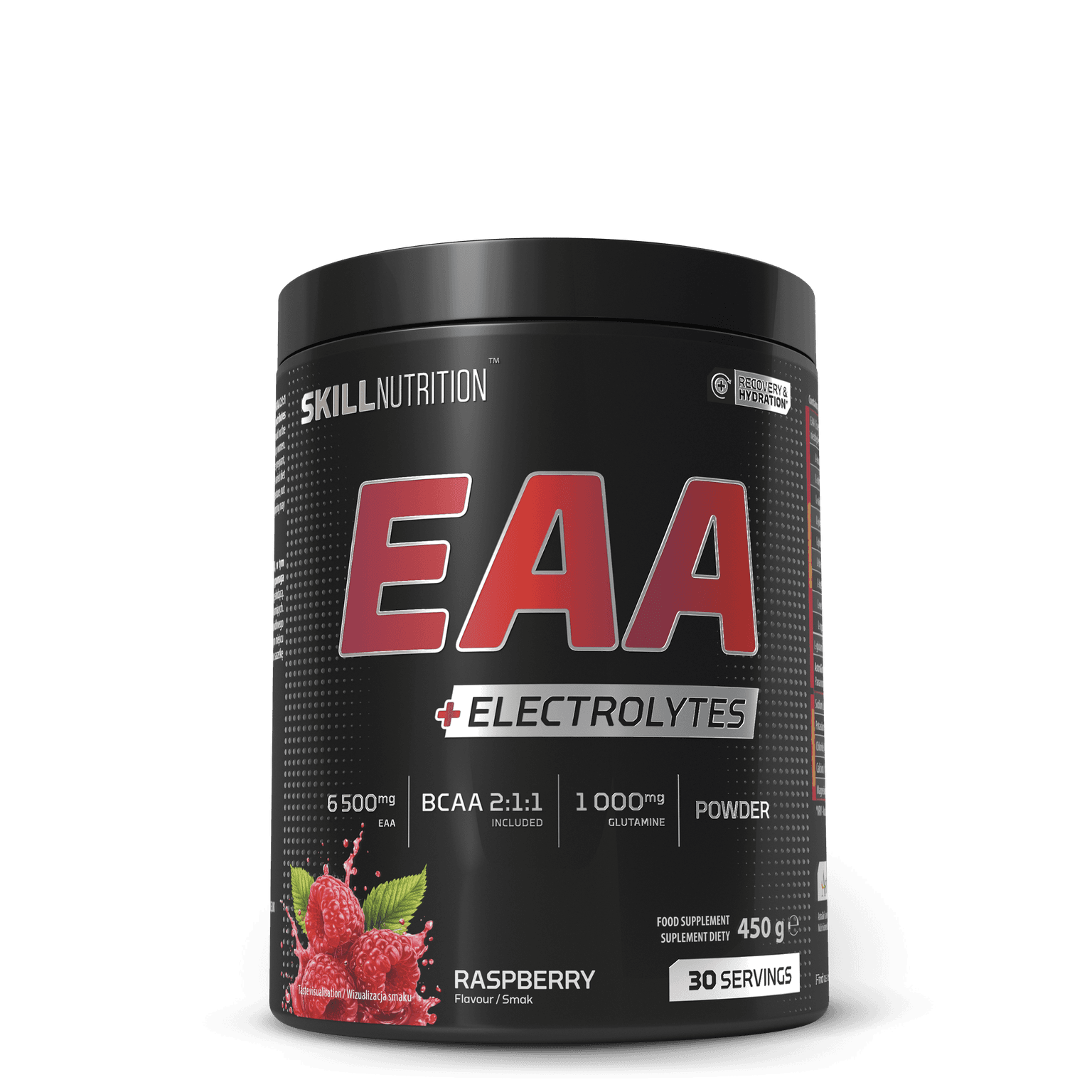
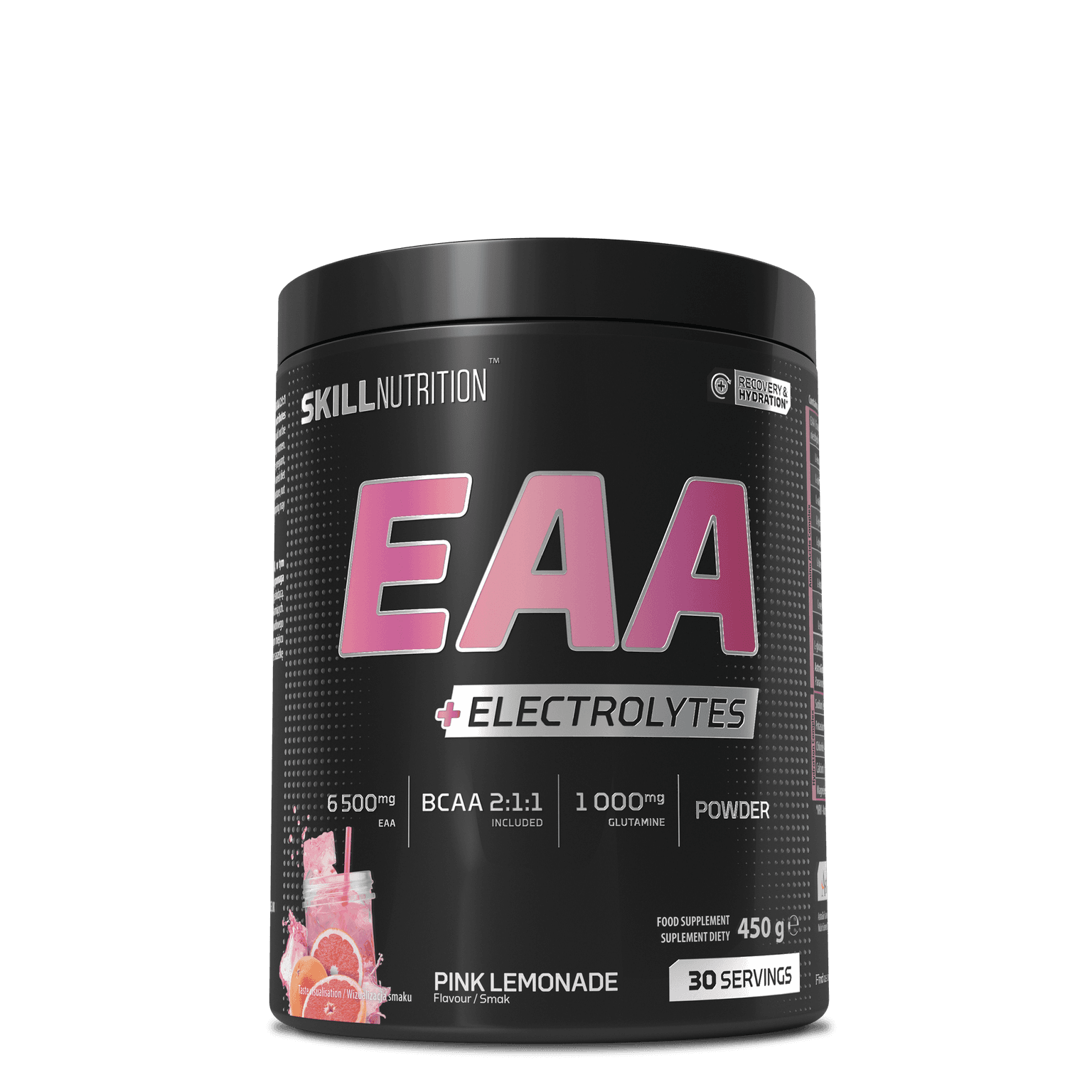
In endurance sports, every detail matters - from training and recovery to proper supplementation. Amino acids have sparked debate among professionals and amateurs for years. While BCAAs were once the "it" supplement, it is increasingly suggested today that they aren't enough to truly support the body during intense exertion. Instead, EAAs are rapidly gaining popularity. Here is what you need to know.
What are BCAAs?
BCAA stands for Branched-Chain Amino Acids. These consist of three elements well-known to fitness enthusiasts: leucine, isoleucine, and valine. These compounds are responsible for supporting muscle function [1].
For a long time, they were the number one item on sports supplement lists. Why? Because BCAAs were primarily associated with protecting muscles from excessive fatigue and replenishing energy during exercise. It’s no wonder they became a hit; anyone spending hours training wanted that extra boost in recovery.
However, there is another side to the story. While BCAAs do have their uses and can be valuable, they operate within a limited scope. It’s like trying to build a house using only bricks, without mortar or a roof - something is simply missing. This is where the conversation shifts to EAAs, which bring much more to the athletic puzzle.

What are EAAs?
EAAs, or Essential Amino Acids, are exogenous amino acids - those that our bodies cannot produce on their own. To utilize them, we must source them externally through food or supplementation. The EAA group consists of nine elements:
Leucine
Isoleucine
Valine
Lysine
Threonine
Methionine
Tryptophan
Phenylalanine
Histidine [2]
What sets them apart? They are a complete set of "building blocks" that form the foundation for protein-related processes in the body. While BCAAs are just three pieces of a larger puzzle, EAAs offer the full kit. They provide a complete profile of essential amino acids, making it easier for athletes to meet their dietary requirements and plan meals around their workouts [2].
For endurance athletes, this is significant. Long training sessions or races aren't just a major energy drain; they also increase the demand for structural components. EAAs cover the full essential amino acid profile, making them more similar to the natural composition of proteins found in a balanced diet [3].
Why are BCAAs Not Enough in Endurance Sports?
Imagine starting a marathon with a bottle containing only water. Sure, water is necessary, but is it enough to get you to the finish line in peak condition? Not necessarily. BCAAs are similar. They provide something valuable, but not the full spectrum of what your body needs during prolonged effort.
The three branched-chain amino acids are like a football team made up entirely of strikers. They can score goals, but what about defense and midfield? There is a lack of balance. And balance is crucial in endurance sports, where the body works for hours and then needs to rebuild effectively.
Consequently, many athletes no longer view BCAAs as a "magic bullet," but rather as a fragment of a larger picture. This is when EAAs enter the major leagues - with a full roster that allows you to play effectively until the final whistle.

What Advantages do EAAs Have Over BCAAs?
The biggest difference between BCAAs and EAAs is their scope of action. BCAAs include only three amino acids that play an important but limited role. Meanwhile, EAAs provide the aforementioned set of nine essential amino acids required for protein synthesis. This gives the body access to the full set of "building materials" rather than just a snippet [4].
In endurance sports, this matters. During long-term exertion, muscles consume energy, and recovery requires all essential amino acids. Supplementing with BCAAs alone does not cover this demand, which is why EAAs represent a more comprehensive solution.
EAAs can be a vital element of a nutritional strategy around training and during periods of increased amino acid demand. They align with the actual needs of those who train regularly and intensely. This is why they are increasingly recognized as a more appropriate choice than supplements based solely on BCAAs [5].
Summary – Which One to Choose?
BCAAs were a symbol of sports supplementation for years, but today we know their capabilities are limited. In endurance sports, full-body support is what counts, and that means all essential amino acids are required. This is why EAAs are gaining more attention; they simply better meet the needs of intense trainees.
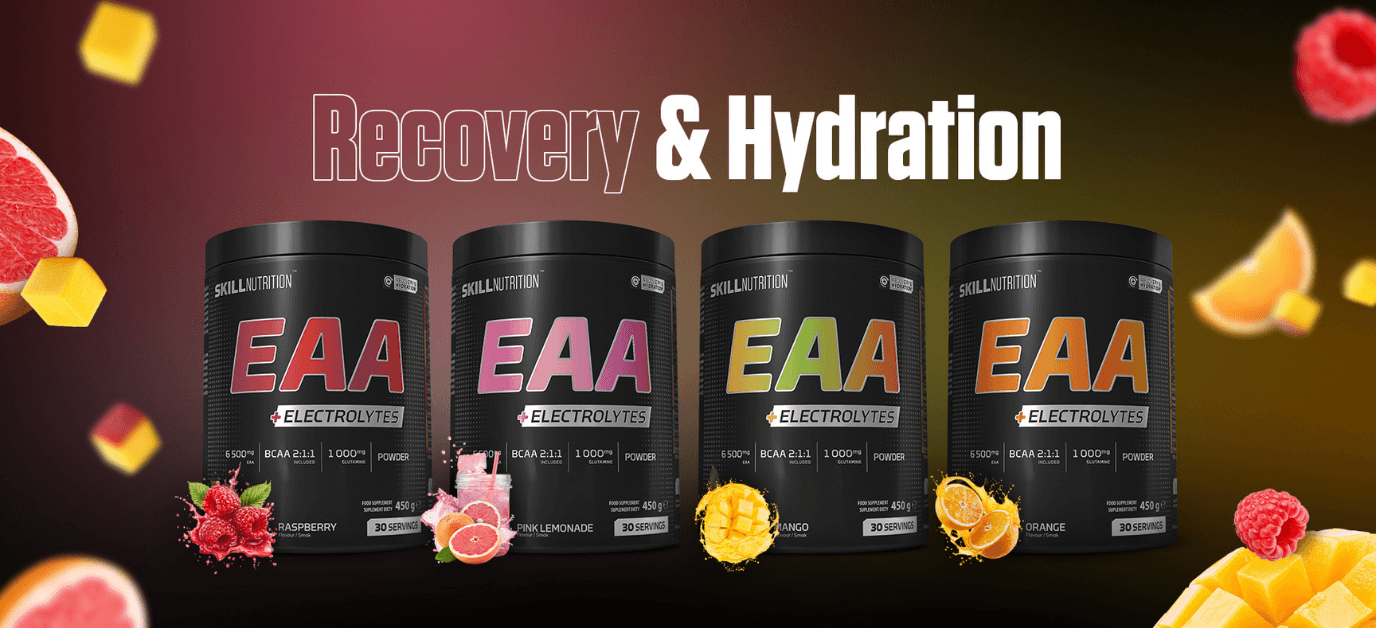
If you want to choose a solution that covers the entire set of necessary amino acids, it is worth looking at the EAAs offered by Skill Nutrition. This is an option for those seeking supplementation tailored to the demands of endurance sports who want their training plan complemented by a carefully selected product.
Sources:
Shimomura Y, et al. Nutraceutical effects of branched-chain amino acids on skeletal muscle. J Nutr. 2006.
Wu G. Amino acids: metabolism, functions, and nutrition. Amino Acids. 2009.
Tipton KD, Wolfe RR. Protein and amino acids for athletes. J Sports Sci. 2004.
Wolfe RR. Branched-chain amino acids and muscle protein synthesis in humans: myth or reality? J Int Soc Sports Nutr. 2017.
Churchward-Venne TA, et al. Myofibrillar and Mitochondrial Protein Synthesis Rates... J Nutr. 2019.