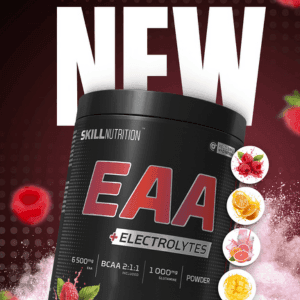
EAA + Electrolytes: What to drink during training to stay in shape?
08.01.2026Recommended products
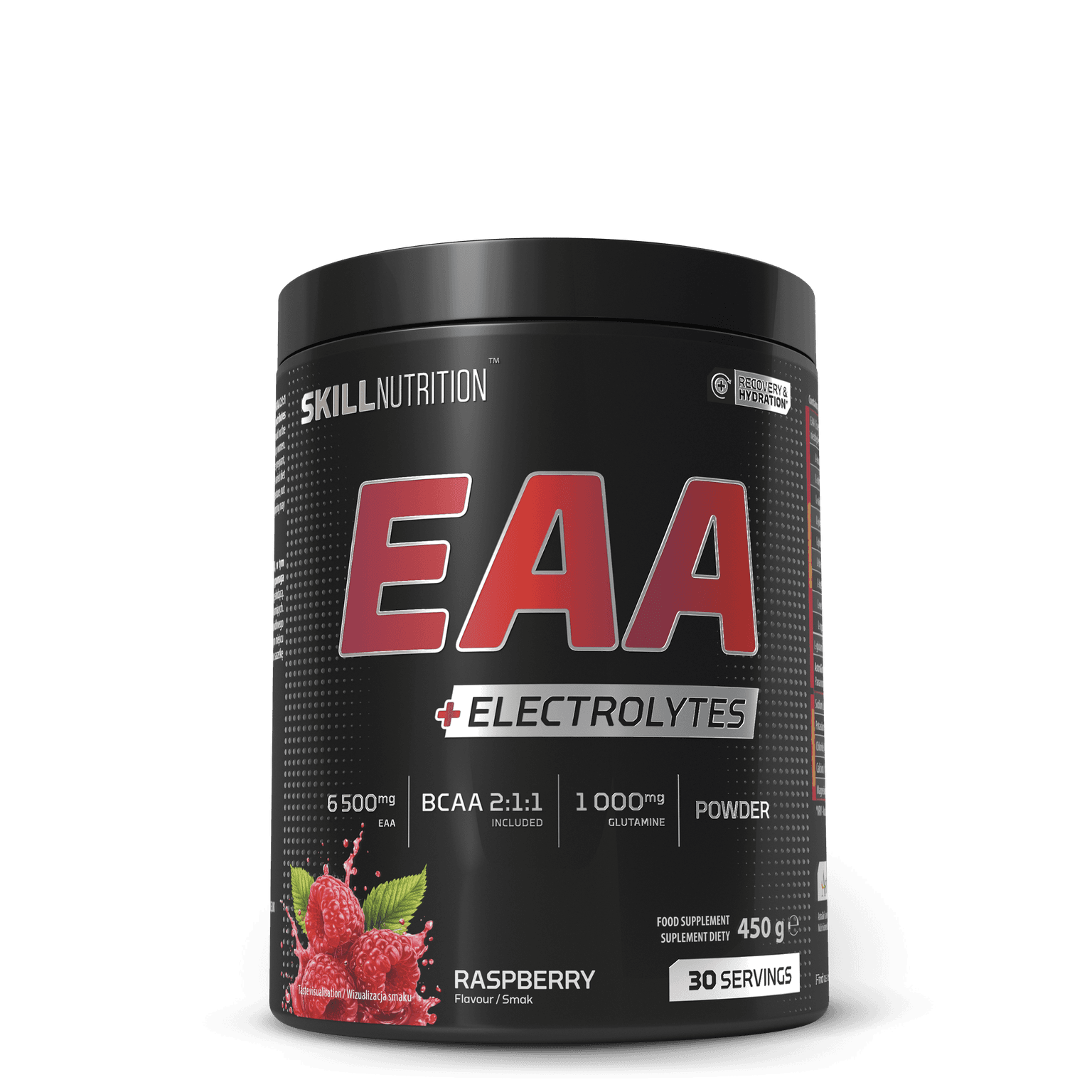
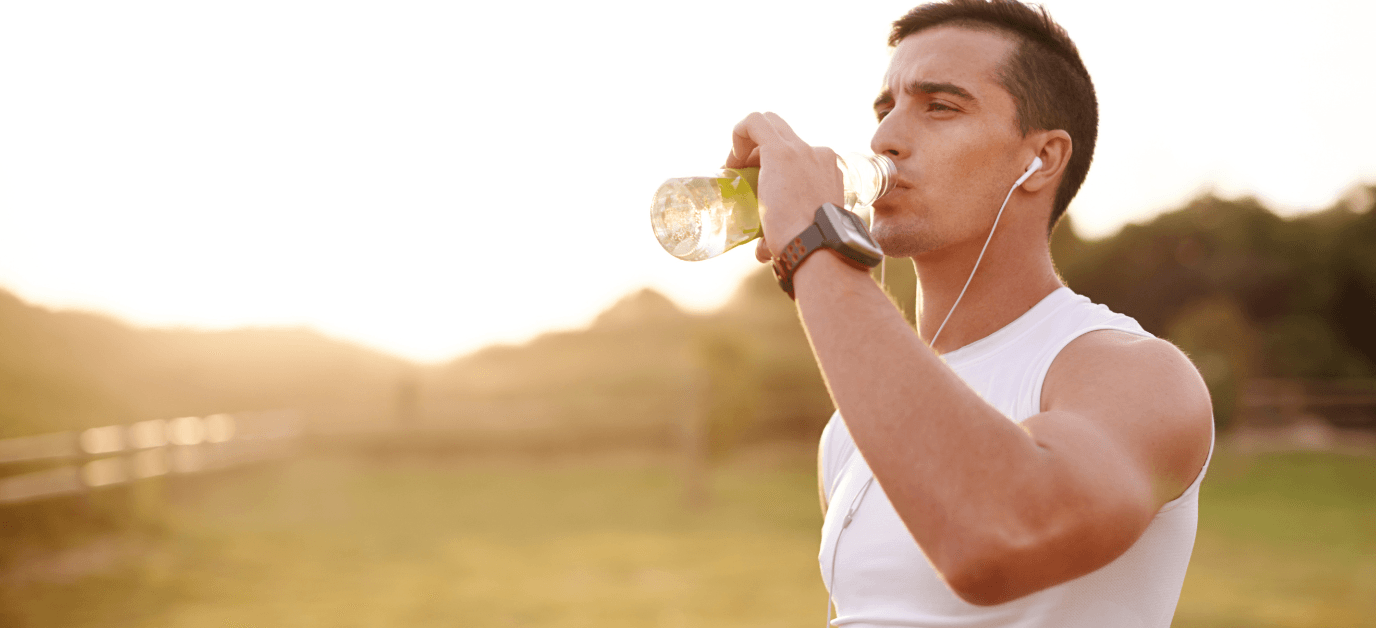
During training, it’s not only about how many reps you complete or how fast you run the next kilometers. What you have in your bottle matters just as much. Water is essential, but it’s not always enough to maintain full energy, focus, and performance until the end of your session. That’s why more and more people reach for drinks with electrolytes and EAA amino acids. This combination supports the body when it needs it most.
What happens in the body during training?
Every workout is a small challenge for the body. Along with sweat, you lose not only water but also valuable electrolytes - sodium, potassium, magnesium, and calcium. These minerals are responsible for proper muscle function and nerve conduction, so their loss is quickly noticeable [1]. At the same time, micro-damage occurs in muscle fibers, and the demand for amino acids increases [2].
The body needs proper hydration and nutrients to maintain normal function during exercise. When this support is lacking, fatigue appears, concentration drops, and the last reps feel much harder than they should.
Electrolytes - why are they so important?
Electrolytes are minerals that play a leading role in sports. Sodium, potassium, calcium, and magnesium ensure that muscles work in the right rhythm and that the nervous system efficiently transmits signals [3].
During exercise, you lose them through sweat - the more intense the workout, the faster their levels drop. As a result, fatigue sets in sooner, and cramps can strike at the most inconvenient moment. Proper electrolyte replenishment helps keep training smooth and free from unnecessary interruptions.
EAA - what are they and what role do they play during training?
EAA, or essential amino acids, are nutrients the body cannot produce on its own. They must be supplied from the outside - through food or supplementation. Why are they especially important during exercise [4]?
During physical effort, muscles work intensively and natural micro-damage occurs in their fibers. EAA are amino acids that, as mentioned, the body cannot synthesize on its own and that take part, among other things, in protein synthesis. During physical activity, the demand for them increases, so it’s worth ensuring an adequate supply. It’s also worth remembering that BCAA-the popular trio of amino acids - represents only part of the full spectrum. Complete EAA provide more comprehensive support [4].
What should you drink during training?
At first glance, the answer seems simple: water. And indeed, it’s the absolute foundation - without proper hydration, effective training is impossible. However, when exercise lasts longer, intensity increases, or you train in high temperatures, water alone isn’t always enough (it works well for shorter and lighter activities). Instead, you can reach for:
isotonic drinks - to replenish fluids and minerals,
formulas with EAA and electrolytes - combining hydration with the delivery of amino acids needed by muscles during exercise.
This combination means the drink not only quenches thirst but also provides nutrients that support muscles during effort. As a result, it’s easier to maintain rhythm and train at a consistent level from start to finish.
Skill Nutrition EAA + Electrolytes = a ready-made solution
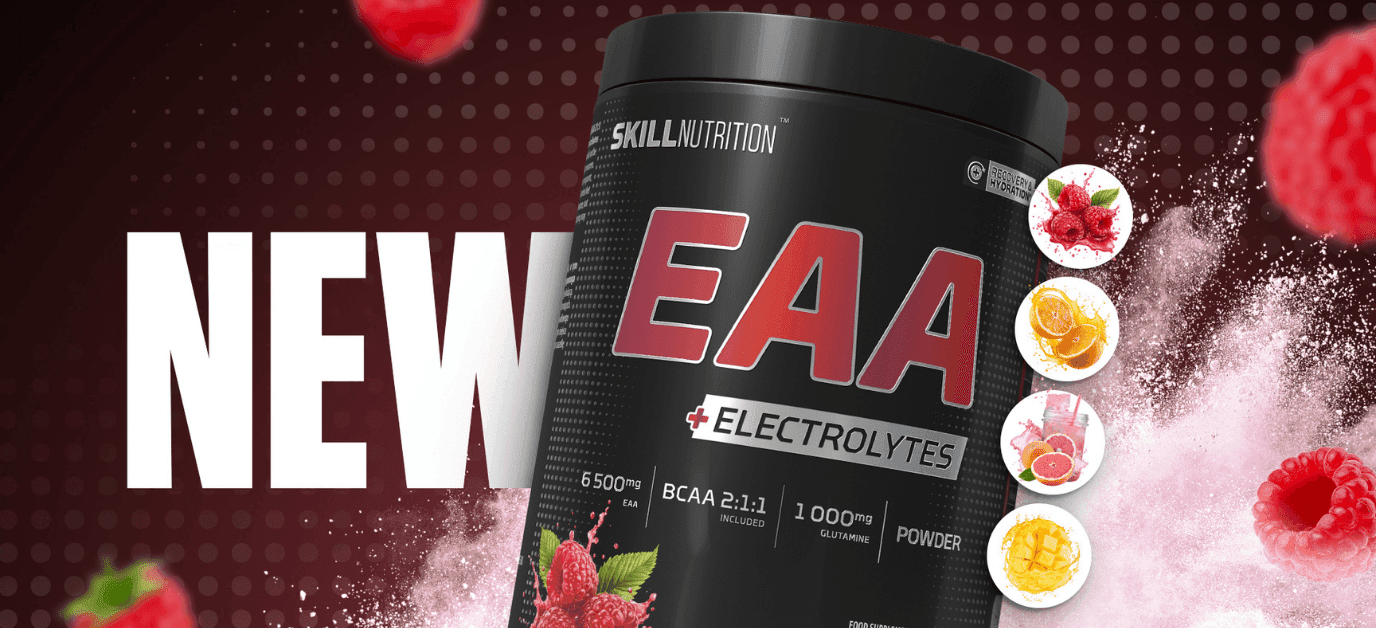
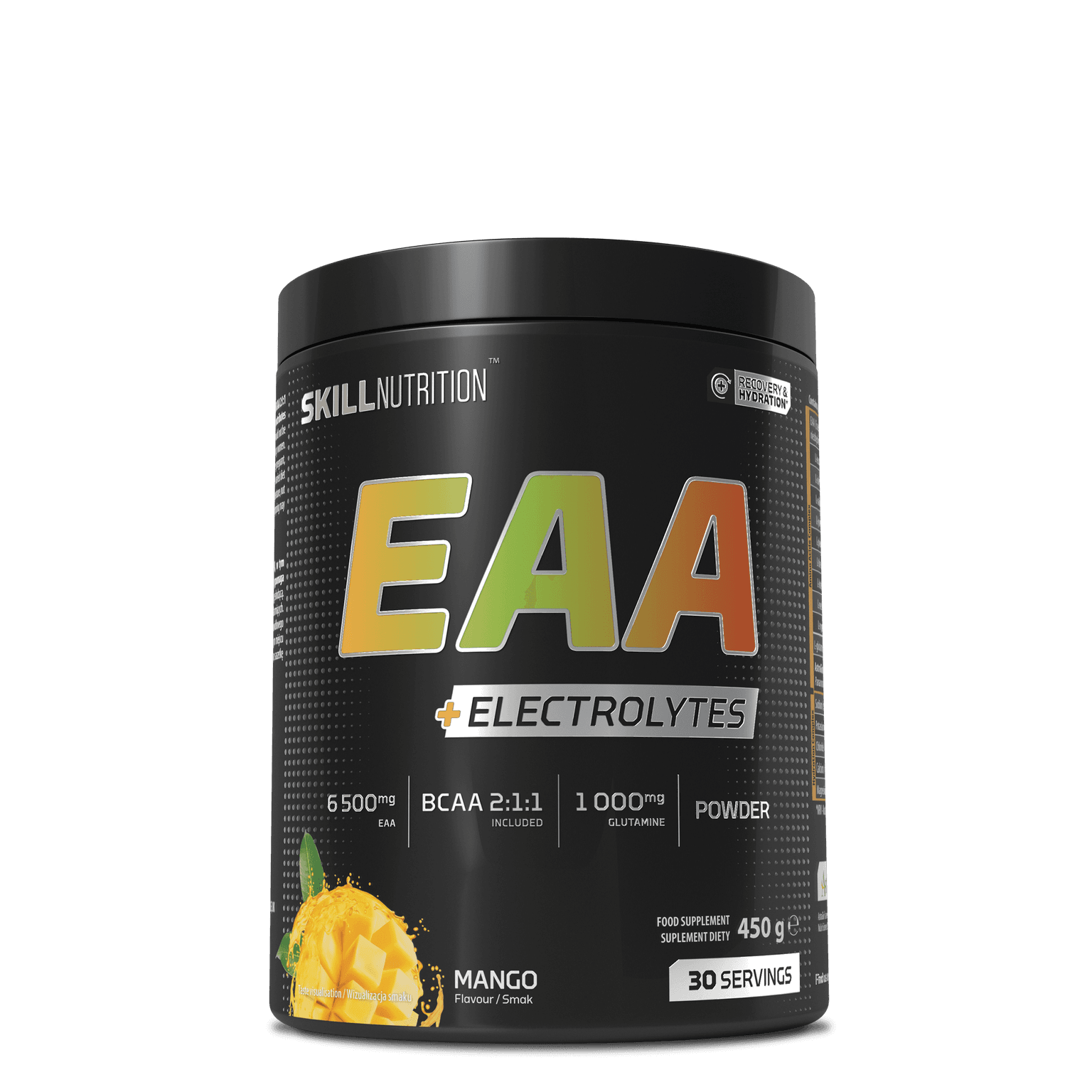
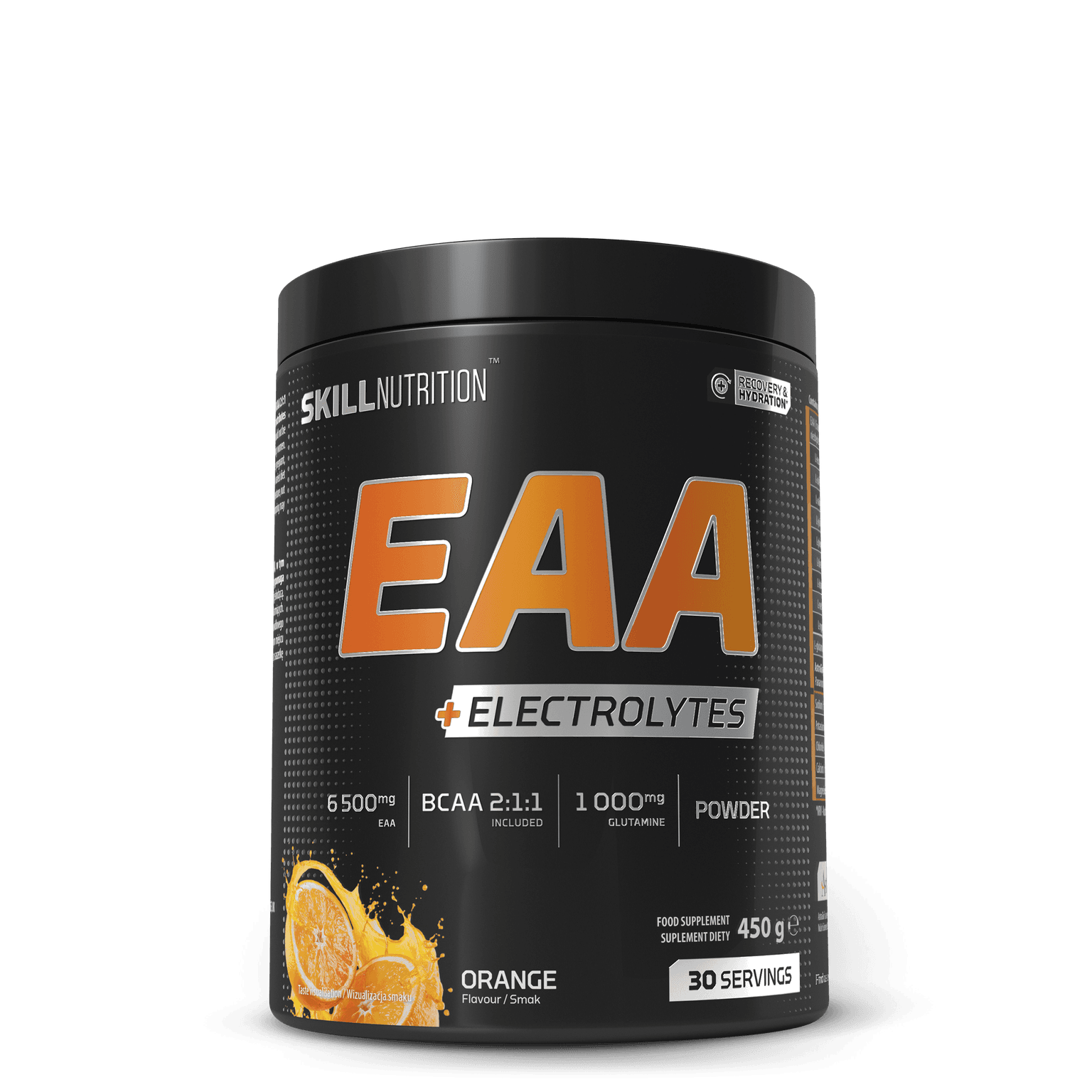
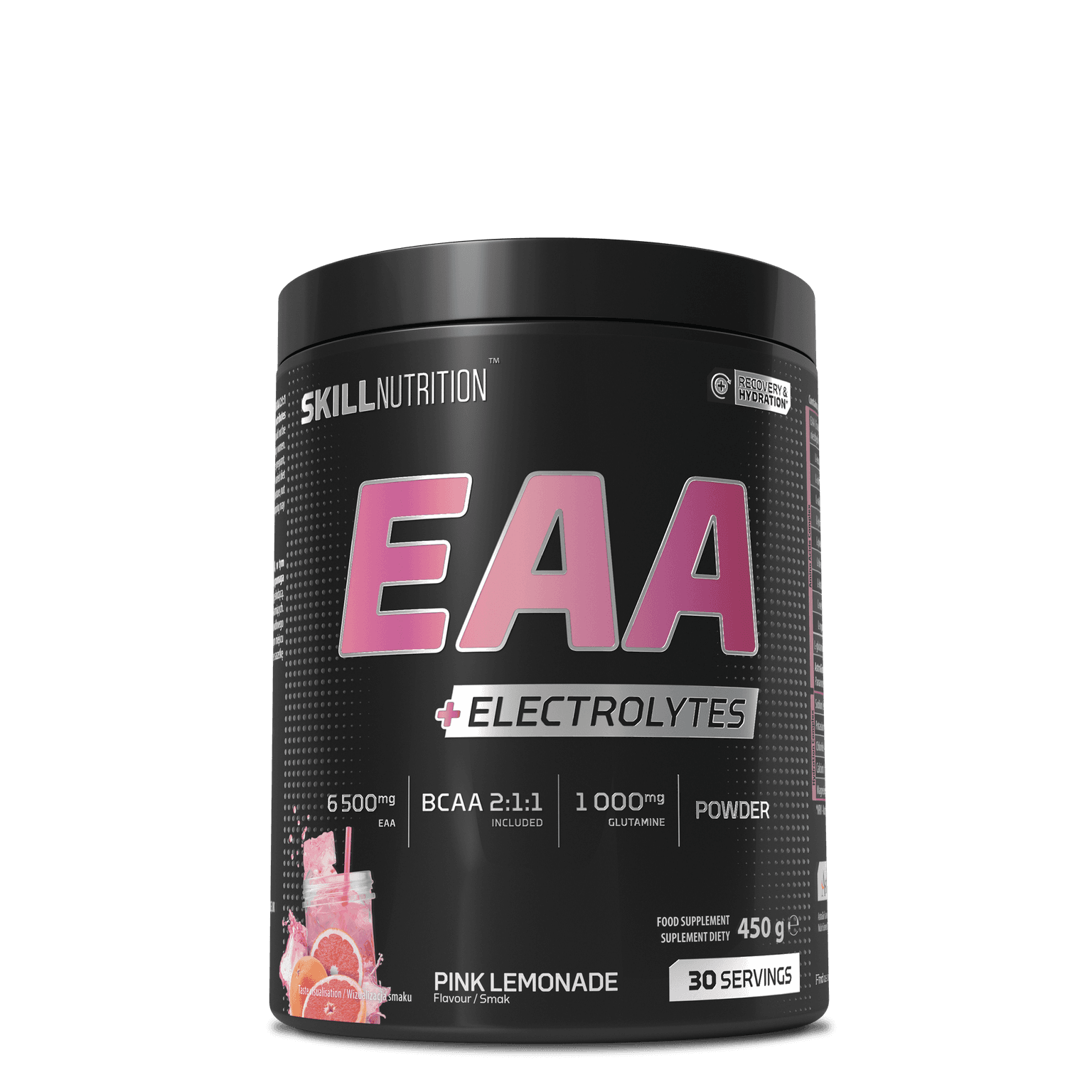
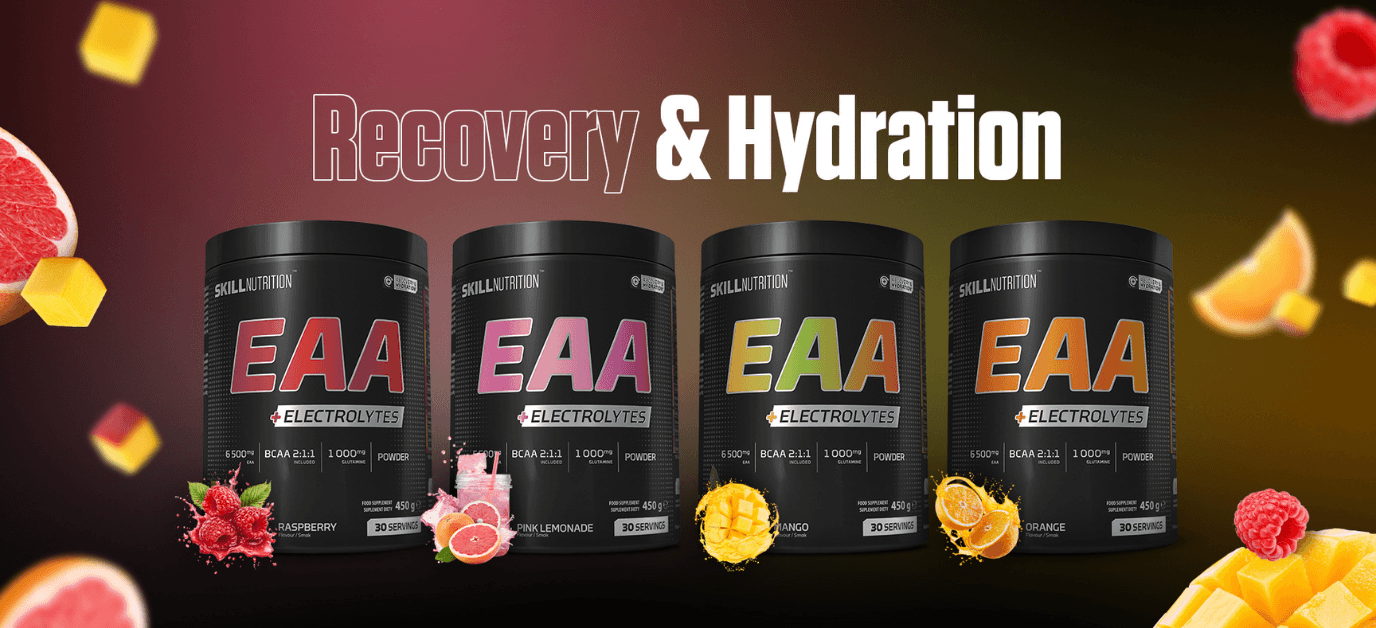
Wondering how to combine hydration with supplying what your muscles really need during exercise? That’s exactly why Skill Nutrition EAA + Electrolytes was created. It’s a powdered formula that combines nine essential EAA amino acids with a complex of electrolytes: sodium, potassium, calcium, magnesium, and chlorides. It’s also enriched with 1 g of glutamine and AstraGin®.
In practice, this means a drink you can prepare in seconds, without sugar or unnecessary additives. Its refreshing orange flavor makes it especially enjoyable when chilled. Skill EAA + Electrolytes works great both during training and right after it. It’s a convenient way to combine hydration with amino acids and minerals in a single bottle.
Sources:
- Baker LB, De Chavez PJD, Ungaro CT, Sopeña BC, Nuccio RP, Reimel AJ, Barnes KA. Exercise intensity effects on total sweat electrolyte losses and regional vs. whole-body sweat [Na+], [Cl-], and [K+]. Eur J Appl Physiol. 2019 Feb;119(2):361-375. doi: 10.1007/s00421-018-4048-z. Epub 2018 Dec 6. PMID: 30523403; PMCID: PMC6373370.
- Li G, Li Z, Liu J. Amino acids regulating skeletal muscle metabolism: mechanisms of action, physical training dosage recommendations and adverse effects. Nutr Metab (Lond). 2024 Jul 2;21(1):41. doi: 10.1186/s12986-024-00820-0. PMID: 38956658; PMCID: PMC11220999.
- McKenna MJ, Renaud JM, Ørtenblad N, Overgaard K. A century of exercise physiology: effects of muscle contraction and exercise on skeletal muscle Na+,K+-ATPase, Na+ and K+ ions, and on plasma K+ concentration-historical developments. Eur J Appl Physiol. 2024 Mar;124(3):681-751. doi: 10.1007/s00421-023-05335-9. Epub 2024 Jan 11. PMID: 38206444; PMCID: PMC10879387.
- Ferrando AA, Wolfe RR, Hirsch KR, Church DD, Kviatkovsky SA, Roberts MD, Stout JR, Gonzalez DE, Sowinski RJ, Kreider RB, Kerksick CM, Burd NA, Pasiakos SM, Ormsbee MJ, Arent SM, Arciero PJ, Campbell BI, VanDusseldorp TA, Jager R, Willoughby DS, Kalman DS, Antonio J. International Society of Sports Nutrition Position Stand: Effects of essential amino acid supplementation on exercise and performance. J Int Soc Sports Nutr. 2023 Dec;20(1):2263409. doi: 10.1080/15502783.2023.2263409. Epub 2023 Oct 6. PMID: 37800468; PMCID: PMC10561576.