

Getting Back to Training After the Holidays – How to Get Back in Shape Without Overloading Your Body?
03.09.2026Table of contents
- 1.Why Shouldn’t You Start at Full Intensity After a Break?
- 2.Your First Workouts After the Holidays – Start Slow
- 3.Create a Realistic Plan for Getting Back in Shape
- 4.Remember That Recovery Is Part of Training
- 5.What Role Can Supplementation Play When Returning to Training?
- 6.Sources:
Recommended products
After a break from training during the holidays, motivation often returns faster than physical fitness. You may already have a plan for intense workouts in your head, but your muscles, joints, and cardiovascular system need time to readjust to regular exercise. Starting too ambitiously can therefore result in pain, fatigue, or another break caused by an injury. So how can you sensibly return to training and gradually rebuild your fitness without overloading your body?
Why Shouldn’t You Start at Full Intensity After a Break?
Your body “remembers” movement, but that doesn’t mean that after several weeks off, it is ready to repeat the last workout you did before the holidays. During this time, your endurance, strength, and tolerance for intense exercise may decrease. Going straight back to your previous weights, pace, or number of sets can therefore prove more challenging than your motivation might suggest.
Starting too hard can lead to significant muscle soreness and discomfort, making it difficult to complete your next workout. Instead of trying to make up for the break within a few days, it is better to treat your first sessions as a way of assessing your current abilities. Remember that your fitness hasn’t disappeared forever – it simply needs some time to return to the appropriate level.
Your First Workouts After the Holidays – Start Slow
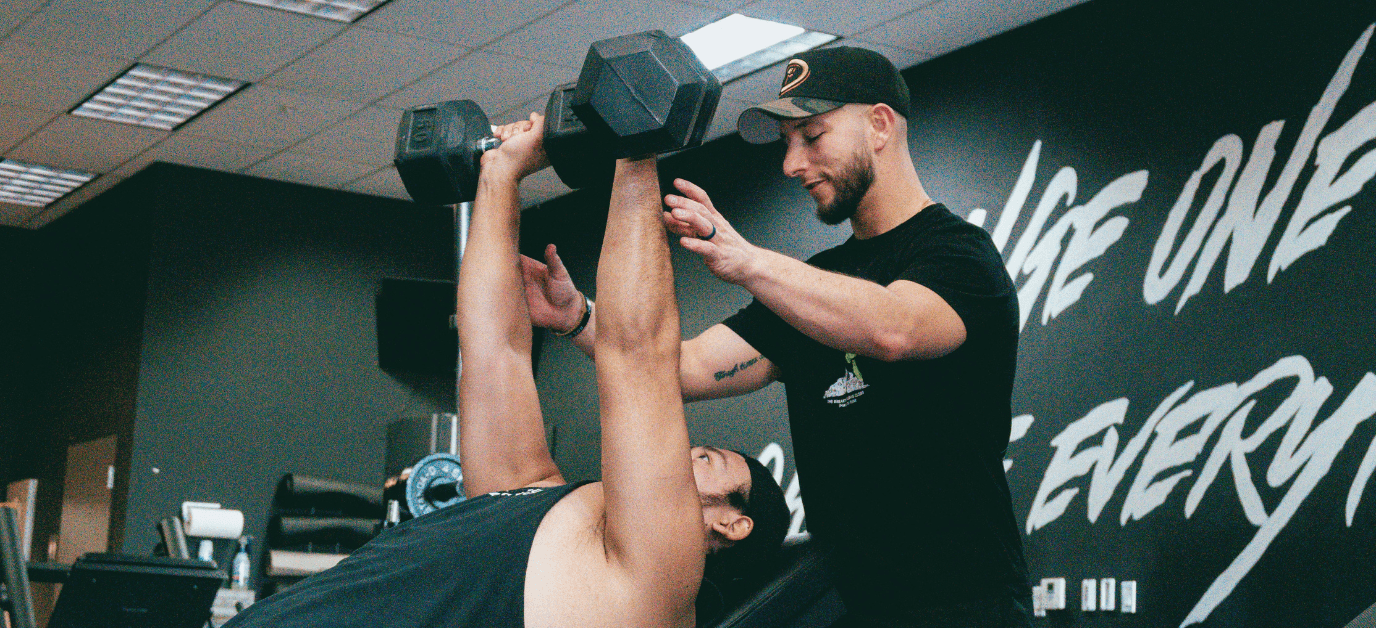
The first week back is not the time to break records. During strength training, reduce the weight, number of sets, or repetitions, and stop an exercise before your technique starts to deteriorate. If you run, cycle, or do cardio, choose a comfortable pace and a shorter duration. A good starting point may be around 50–70% of the training volume you were doing before the holidays, depending on the length of the break and how you currently feel.
Don’t skip your warm-up. A few minutes of gentle movement, mobility exercises, and sets with a lighter load will help prepare you for the main part of your workout. Increase the intensity gradually – ideally by changing one parameter at a time, such as the weight, number of sets, or duration of activity. This makes it easier to assess how your body responds and avoid a situation where one ambitious workout takes away your motivation for the next one.
Create a Realistic Plan for Getting Back in Shape
A good post-holiday training plan doesn’t have to be mapped out for every day of the week. Above all, it should take your current abilities into account and allow you to gradually rebuild consistency. To start:
- plan two or three workouts per week,
- leave at least one rest day between them,
- on non-training days, choose light activities such as walking or an easy bike ride,
- monitor how you feel on the day of your workout and the following day,
- increase the load only when your body is responding well to your current plan,
- reduce the intensity if pain or noticeable fatigue persists for longer.
Don’t try to immediately recreate your pre-holiday schedule. This simple plan is designed to help you return to regular exercise, not turn the first few weeks into a test of willpower.

Remember That Recovery Is Part of Training
Getting back in shape depends not only on how you exercise, but also on what you do between workouts. One of the most important elements of recovery is sleep. In a study involving 11 Stanford University basketball players, extending sleep by an average of approximately 111 minutes was associated, among other things, with improved sprint times and shooting accuracy, as well as lower levels of perceived fatigue [1]. Although the study involved a small group, it shows that sacrificing sleep for additional physical activity is not always a good idea.
After a holiday break, also make sure you stay properly hydrated and eat regular meals that provide sufficient energy and high-quality protein. At the same time, pay attention to how your body responds. Mild muscle stiffness after exercise is different from sharp, localized pain, swelling, or restricted movement. If you experience such symptoms, take a break, and if they do not subside, consult a doctor or physiotherapist.
What Role Can Supplementation Play When Returning to Training?
Getting back to training does not mean you need to immediately stock up on an entire shelf of dietary supplements. First, get your exercise plan, diet, sleep, and hydration in order, and only then consider what may actually be missing from your daily routine. Supplementation should be based on specific needs rather than a desire to make up for the holiday break as quickly as possible.
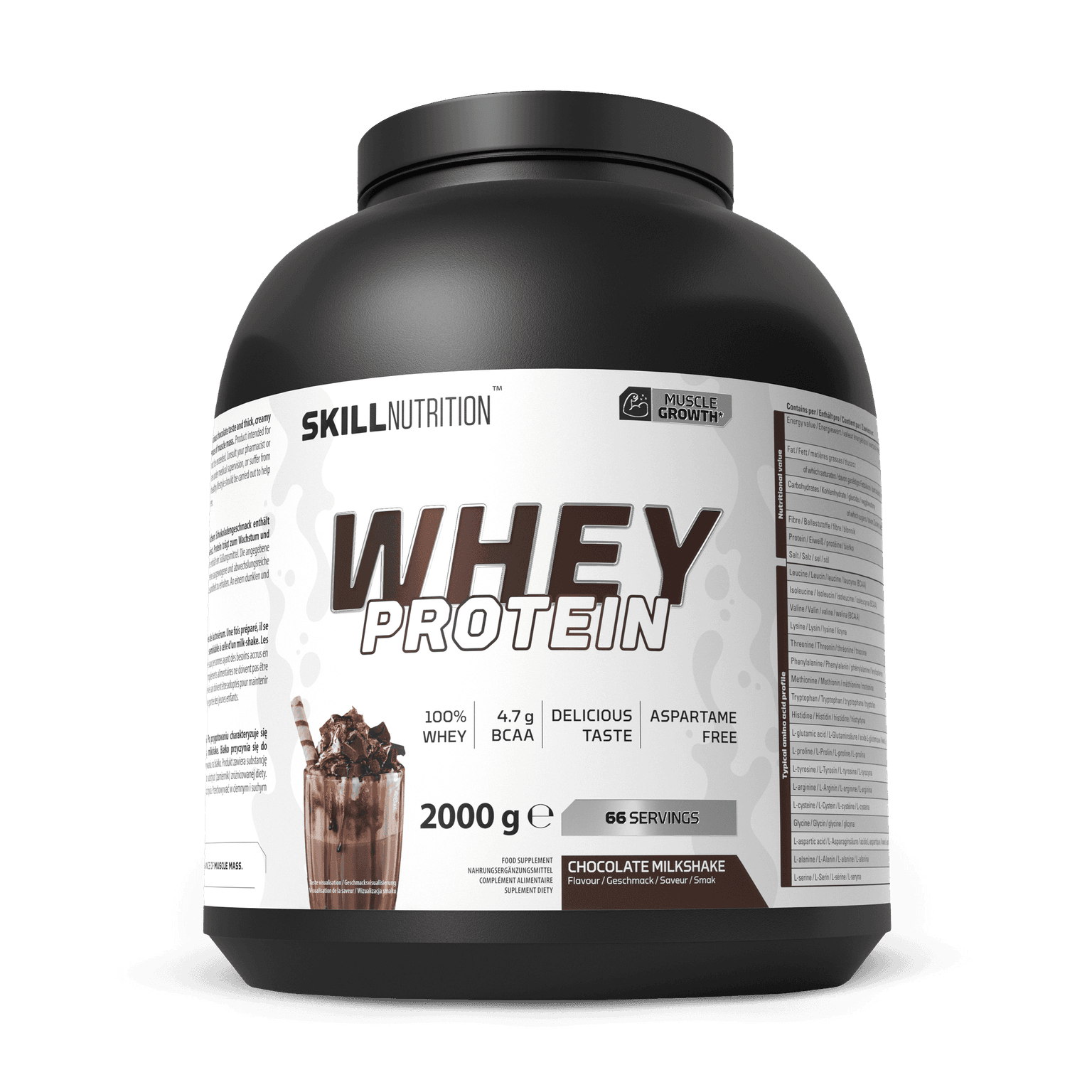
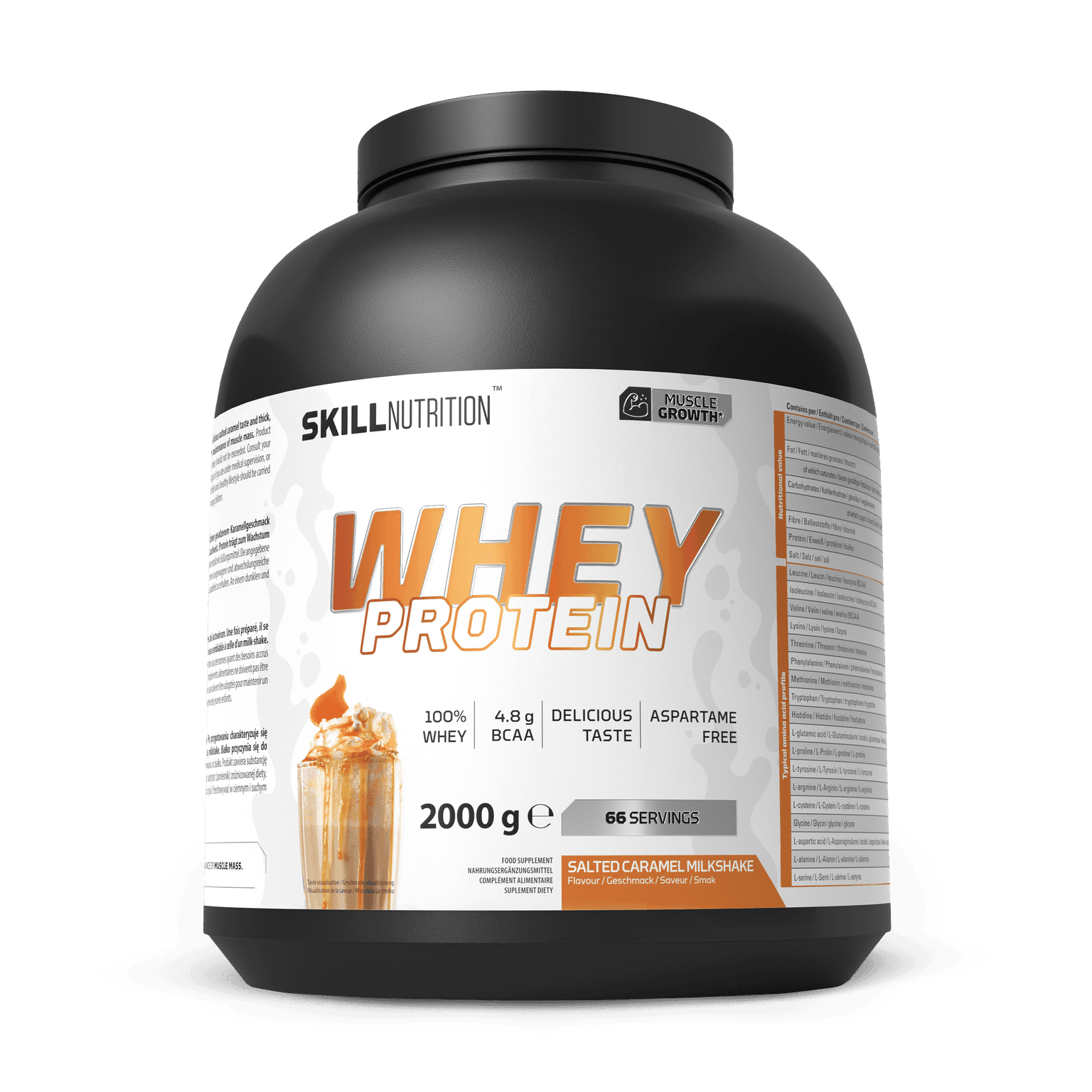
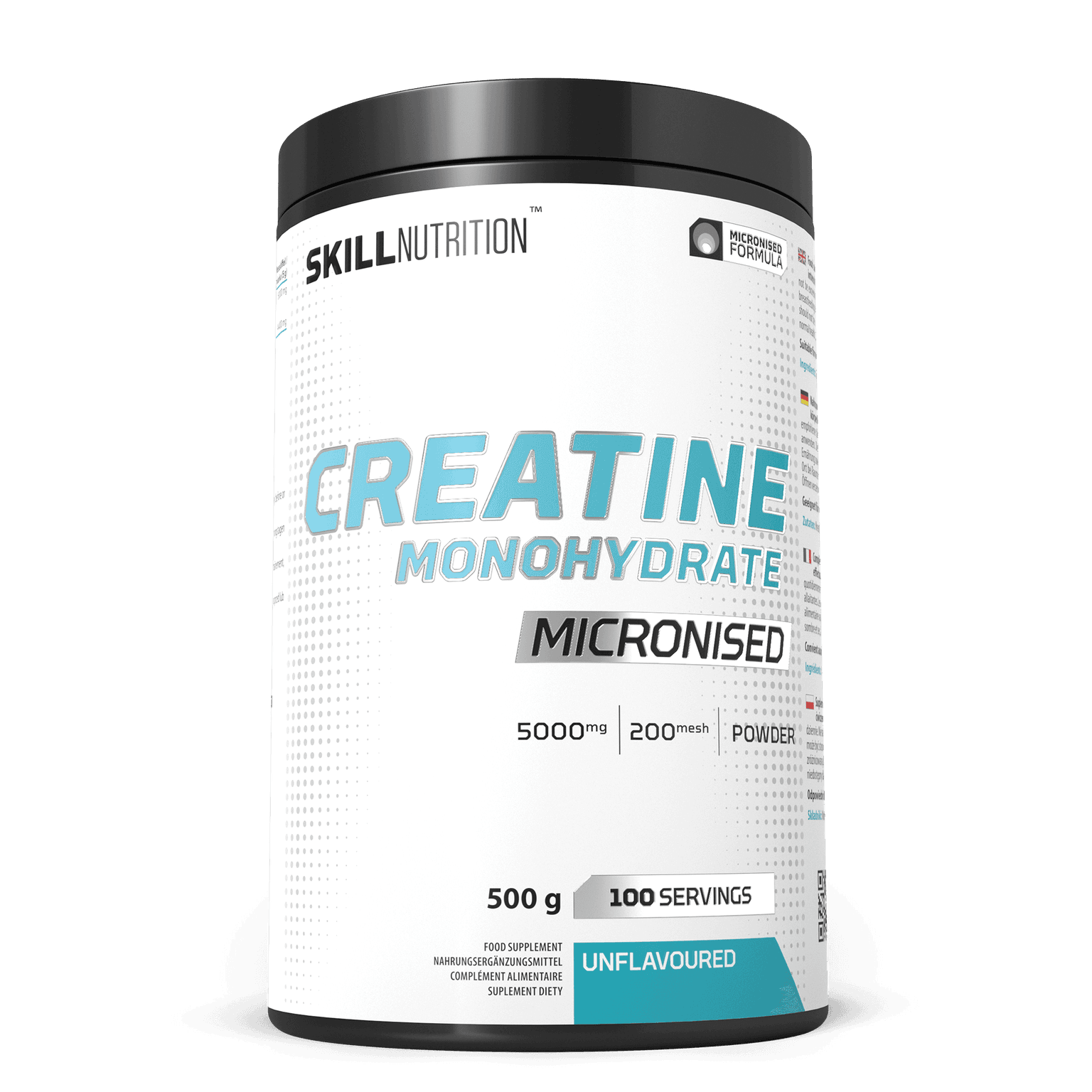
If it is difficult for you to get enough protein from food, a protein supplement, for example in Chocolate Milkshake flavor, can be a convenient addition to your diet. Protein contributes to the growth and maintenance of muscle mass [2]. People returning to intense training may also consider creatine monohydrate, which increases physical performance during successive bursts of short-term, high-intensity exercise when consumed at 3 g per day [3].
Another ingredient found in supplements for active individuals is magnesium, which contributes to normal muscle function, the maintenance of electrolyte balance, and the reduction of tiredness and fatigue [4]. Remember to follow the recommendations provided on the product label, and keep in mind that even the best-selected supplementation remains only a complement to a varied diet.
Sources:
Mah CD, Mah KE, Kezirian EJ, Dement WC. The effects of sleep extension on the athletic performance of collegiate basketball players. Sleep. 2011 Jul 1;34(7):943–50. doi: 10.5665/SLEEP.1132. PMID: 21731144; PMCID: PMC3119836.
EFSA Panel on Dietetic Products, Nutrition and Allergies (NDA). (2010). Scientific opinion on the substantiation of health claims related to protein and increase in satiety leading to a reduction in energy intake, contribution to the maintenance or achievement of a normal body weight, maintenance of normal bone and growth or maintenance of muscle mass pursuant to Article 13(1) of Regulation (EC) No 1924/2006. EFSA Journal, 8(10), Article 1811. https://doi.org/10.2903/j.efsa.2010.1811
EFSA Panel on Dietetic Products, Nutrition and Allergies (NDA). (2011). Scientific opinion on the substantiation of health claims related to creatine and increase in physical performance during short-term, high intensity, repeated exercise bouts, increase in endurance capacity, and increase in endurance performance pursuant to Article 13(1) of Regulation (EC) No 1924/2006. EFSA Journal, 9(7), Article 2303. https://doi.org/10.2903/j.efsa.2011.2303
EFSA Panel on Dietetic Products, Nutrition and Allergies (NDA). (2009). Scientific opinion on the substantiation of health claims related to magnesium and electrolyte balance, energy-yielding metabolism, neurotransmission and muscle contraction including heart muscle, cell division, maintenance of bone, maintenance of teeth, blood coagulation and protein synthesis pursuant to Article 13(1) of Regulation (EC) No 1924/2006. EFSA Journal, 7(9), Article 1216. https://doi.org/10.2903/j.efsa.2009.1216
Table of contents
- 1.Why Shouldn’t You Start at Full Intensity After a Break?
- 2.Your First Workouts After the Holidays – Start Slow
- 3.Create a Realistic Plan for Getting Back in Shape
- 4.Remember That Recovery Is Part of Training
- 5.What Role Can Supplementation Play When Returning to Training?
- 6.Sources:
Recommended products
Read more