
How to Make Your Workout More Effective? 7 Elements That Make a Difference
20.11.2026Table of contents
- 1.1. A Good Plan Instead of Random Exercises
- 2.2. Consistency That Beats Short-Lived Enthusiasm
- 3.3. Intensity Matched to Your Goals and Abilities
- 4.4. Warm-Up – Preparing for the Main Workout
- 5.5. Focus on What You're Doing
- 6.6. Hydration Before, During and After Your Workout
- 7.7. Recovery as Part of Your Training
Recommended products

More reps, heavier weights, or a longer workout? When looking for better results, it's easy to focus on the numbers, even though less spectacular factors often determine the quality of your effort. A good plan, consistency, the right intensity and proper recovery ensure that every session has a specific purpose and moves you in the right direction. Discover 7 elements that can help you train more effectively.
1. A Good Plan Instead of Random Exercises
Training without a plan is like taking a journey without a set route – you may get seriously tired, but that doesn't necessarily mean you'll reach your destination. Before you start exercising, define your goal: improving strength, building muscle, boosting fitness, or perhaps reducing body fat? Your goal should determine your exercise selection, the number of sets and reps, and the length of your rest periods.
A good plan also takes your abilities and recovery time into account. It's worth recording your results, tracking your progress and gradually increasing the load. This way, each workout becomes part of a logical, well-structured process.
2. Consistency That Beats Short-Lived Enthusiasm
Even the best plan won't deliver results if you only follow it occasionally. You'll achieve much more with three well-planned workouts a week than with daily gym visits that end in complete burnout after two weeks. So, establish a workout schedule that fits around your job, family and other commitments. Consistency doesn't require perfection – missing one session doesn't undo all your previous work. What matters is making sure that a single break doesn't turn into several weeks without any activity.
3. Intensity Matched to Your Goals and Abilities
An effective workout should be challenging, but it doesn't have to leave you completely exhausted every time. Too little intensity may not provide your body with a sufficient stimulus, while excessive intensity makes it harder to maintain proper technique and prolongs recovery. The key is finding a balance between "I don't feel anything" and "I'm barely finishing every rep."
You can adjust your training intensity by changing:
The weight or resistance.
The number of sets and reps.
The pace at which you perform exercises.
The length of rest periods.
The difficulty of the movement.
At the same time, pay attention to your own abilities. If you can still maintain control over your movements at the end of a set, but the next repetitions require noticeably more effort, your intensity is probably at a sensible level.
4. Warm-Up – Preparing for the Main Workout
The purpose of a warm-up is to gradually prepare your body for the movements you'll perform during the main part of your workout. You can supplement a few minutes of light activity with exercises that mobilise the muscle groups involved in that day's session. Before squats, for example, it's worth preparing your hips and ankles, while before bench presses, you should focus on your shoulder girdle.
If you're planning to lift heavier weights, also perform a few warm-up sets with lighter loads. A good warm-up is specific, tailored to your workout and short enough not to drain your energy before the main effort.

5. Focus on What You're Doing
Between sets, it's easy to fall into the trap of thinking, "I'll just quickly reply to this message." A moment later, your rest period has stretched to five minutes, and your mind is more focused on your phone than on your workout.
Reducing distractions helps you maintain the right pace and make better use of your training time. During each set, focus on your technique, breathing and control of movement. How your body works during each repetition is far more important than mindlessly ticking off a specific number of reps. Sometimes, performing an exercise more precisely will make a bigger difference than adding a few more kilos.
6. Hydration Before, During and After Your Workout
We often remember our water bottle only when we start feeling very thirsty. However, it's worth taking care of hydration before you begin exercising and then replenishing fluids regularly in small amounts. Adjust your fluid intake to the intensity and duration of your workout, the ambient temperature and how much you sweat.
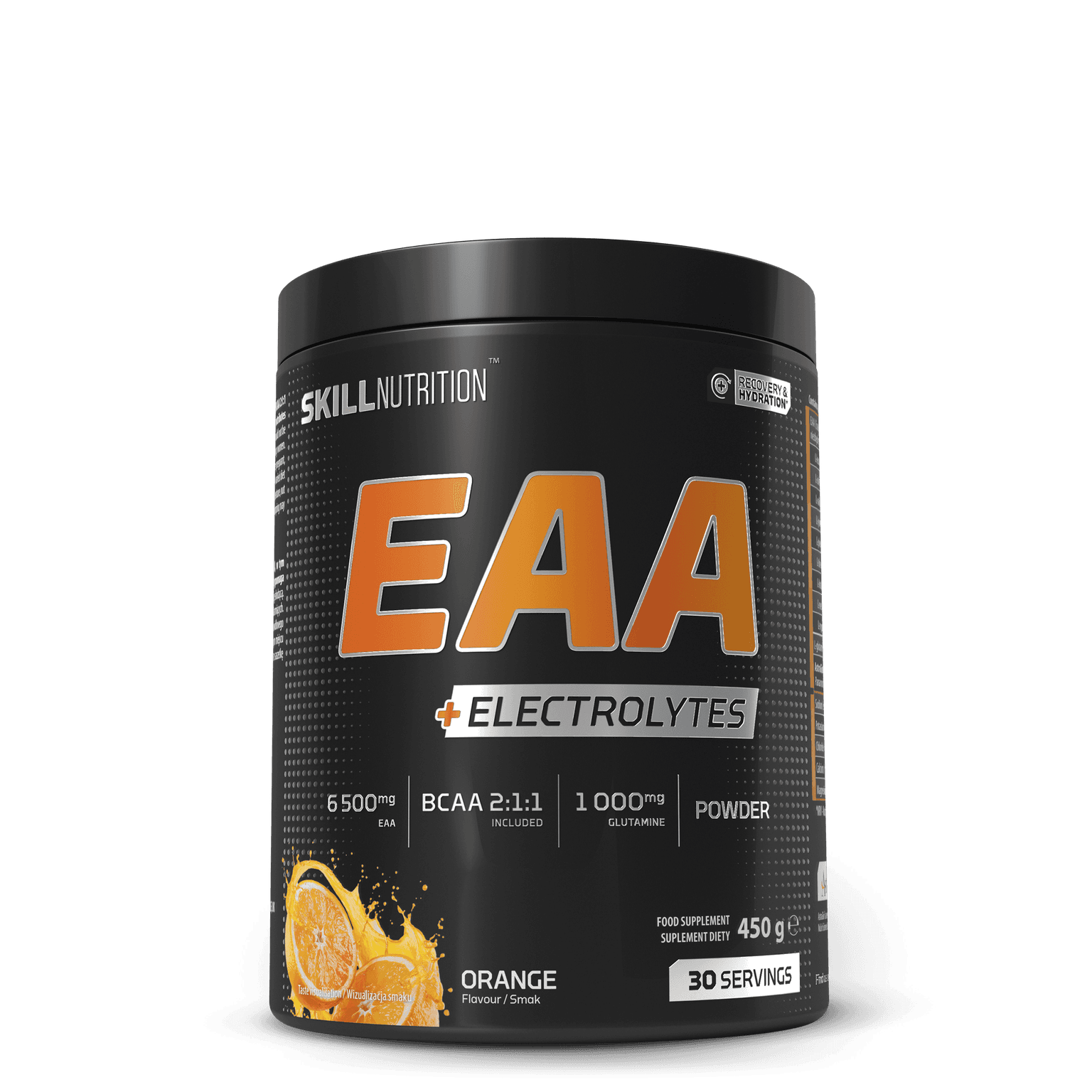
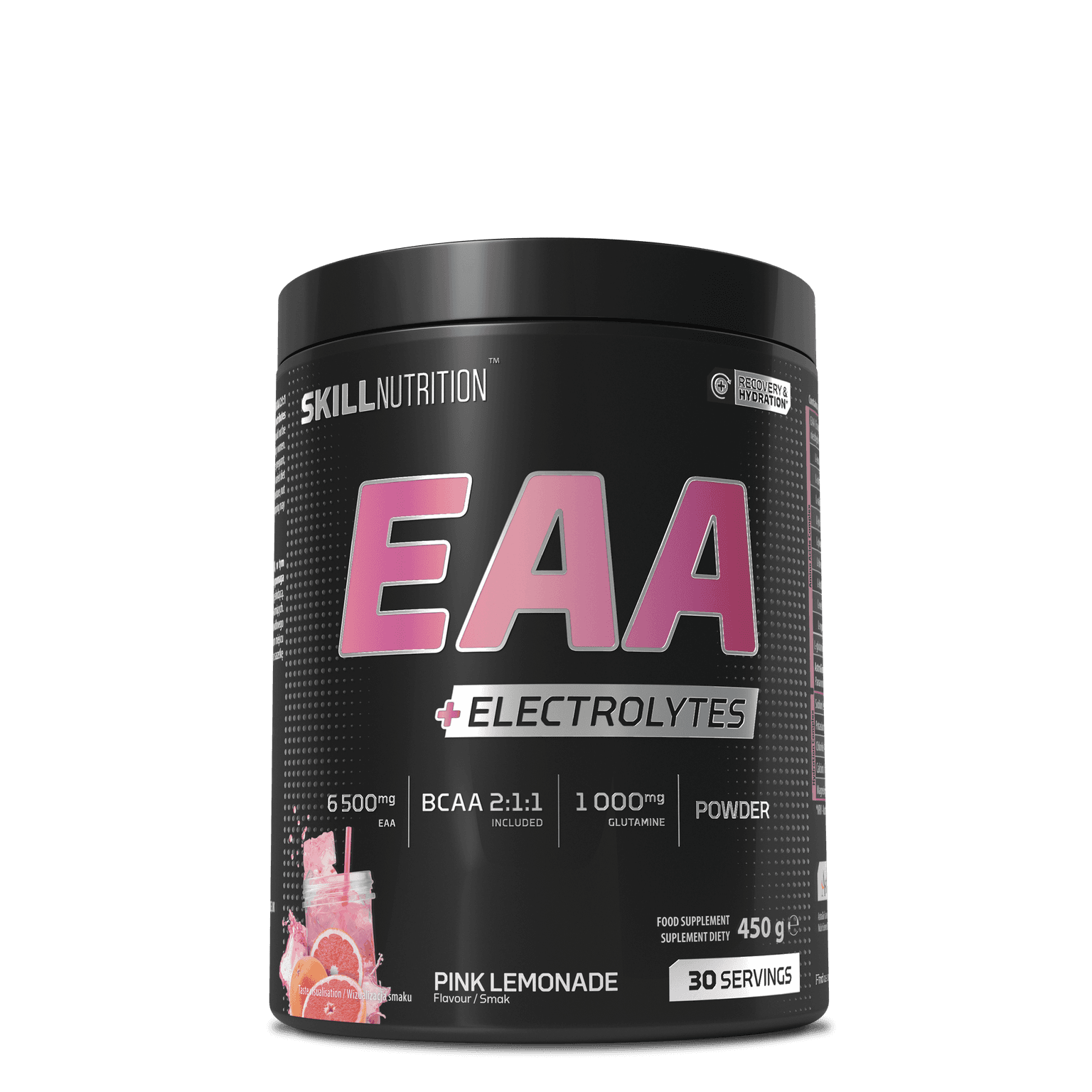
During longer workouts, especially in hot weather, you may want to consider a drink containing electrolytes. After all, your body loses not only water but also minerals through sweat. Keep drinking fluids after your workout, too – putting your trainers back in your bag doesn't mean your hydration routine is over.

7. Recovery as Part of Your Training
Your muscles also develop when you give your body the conditions it needs to rest after exercise. That's why rest days aren't a waste of time or a sign of a lack of ambition. They're part of your training plan, just like sleep, a well-balanced diet and lower-intensity training sessions.
If you've been feeling tired for several days, your technique is becoming less precise and your usual weights suddenly feel unusually challenging, don't try to push through a difficult period at all costs. Sometimes, taking a rest day or reducing your training intensity is the better decision. More workouts don't always mean better results, especially when your body can't keep up with the recovery demands.

Table of contents
- 1.1. A Good Plan Instead of Random Exercises
- 2.2. Consistency That Beats Short-Lived Enthusiasm
- 3.3. Intensity Matched to Your Goals and Abilities
- 4.4. Warm-Up – Preparing for the Main Workout
- 5.5. Focus on What You're Doing
- 6.6. Hydration Before, During and After Your Workout
- 7.7. Recovery as Part of Your Training
Recommended products
Read more