5 Mistakes That May Be Preventing You from Seeing Results from Your Workouts
01.10.2026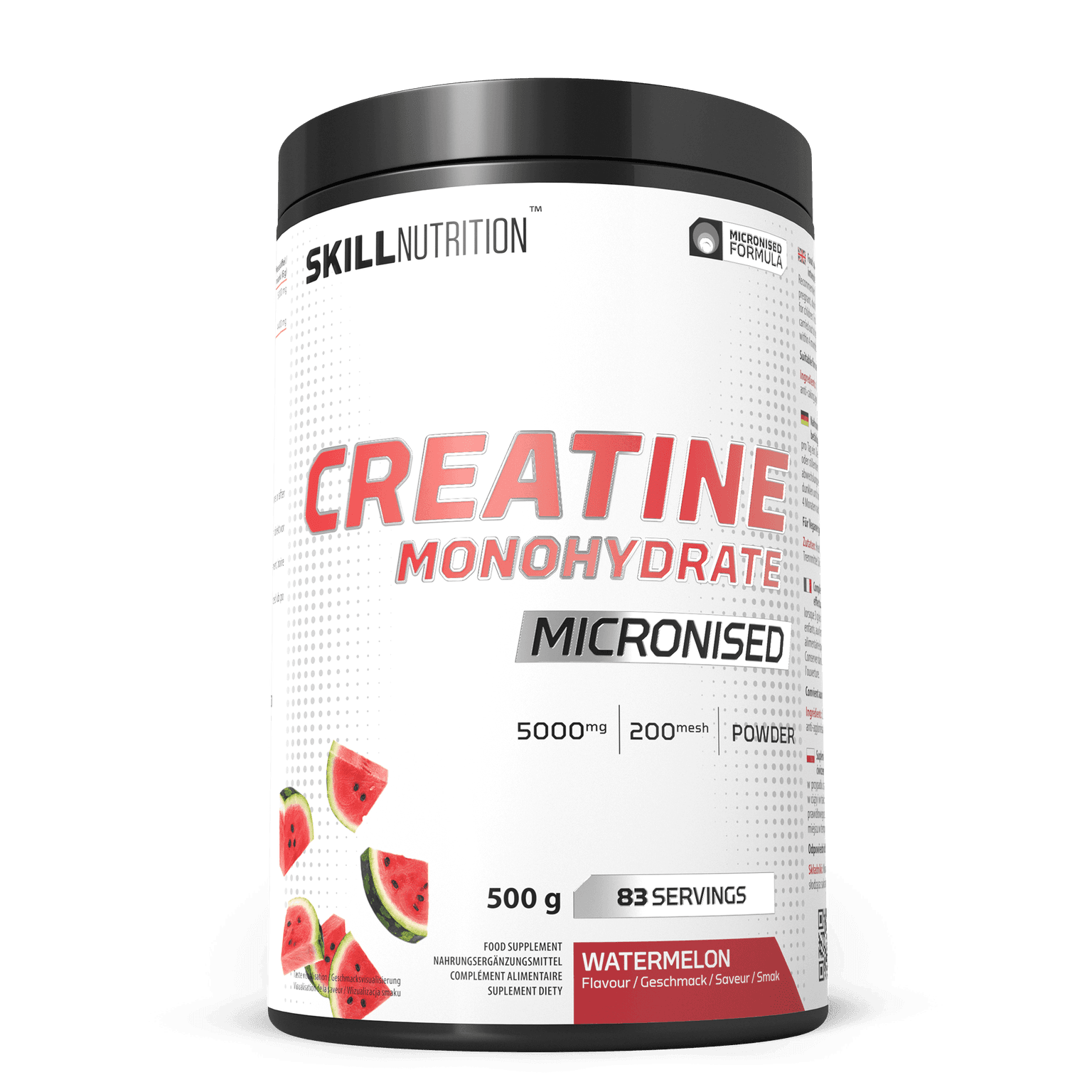
You train regularly, stick to your plan, and yet your strength is no longer improving, your physique barely changes, and your motivation is clearly fading? The problem is not always poorly chosen exercises. Small mistakes repeated outside the gym can often hold back your progress. Discover 5 of the most common reasons why your efforts may not be producing the results you expect and find out what you can improve in your routine.
1. You train without a clearly defined goal
A workout plan found online may look professional, but that does not necessarily mean it will take you where you want to go. Training to increase strength is different from training to build muscle, improve fitness, or reduce body fat. If you try to achieve everything at once, it becomes difficult to choose the right exercises, loads, and number of repetitions.
Start by defining one main goal, then give your plan time to work. Keep track of the weights you use, the number of repetitions you complete, or the distance you cover, as well as how you feel after each workout. This way, instead of guessing whether you are making progress, you will be able to see it in concrete results.
2. You have been doing exactly the same workouts for months
The same weight, the same number of repetitions, the same pace. This type of training may be convenient, but over time it stops providing your body with enough of a challenge. If you want to continue making progress, you need gradual progression.
This does not mean that you have to add more weight every time you go to the gym. You can do one more repetition, improve your technique, increase your range of motion, or gain better control over the weight. Change one parameter at a time and keep track of your results. Progress should be steady and well thought out – it is not a race where the person adding the most weight wins.
3. You treat your diet as a separate project
You have completed your workout, so the job is done? Not necessarily, especially if you then eat without any plan – very little one day, only to make up for it in the evening by eating whatever you can get your hands on the next. Your body is influenced not only by the time you spend exercising, but also by how you nourish it throughout the rest of the day.
Your diet should match your goal. Building muscle requires a different approach than reducing body fat, but in both cases, calories are not the only factor that matters. Pay attention to getting enough protein, carbohydrates, fats, and fluids, as well as maintaining regular meal patterns.
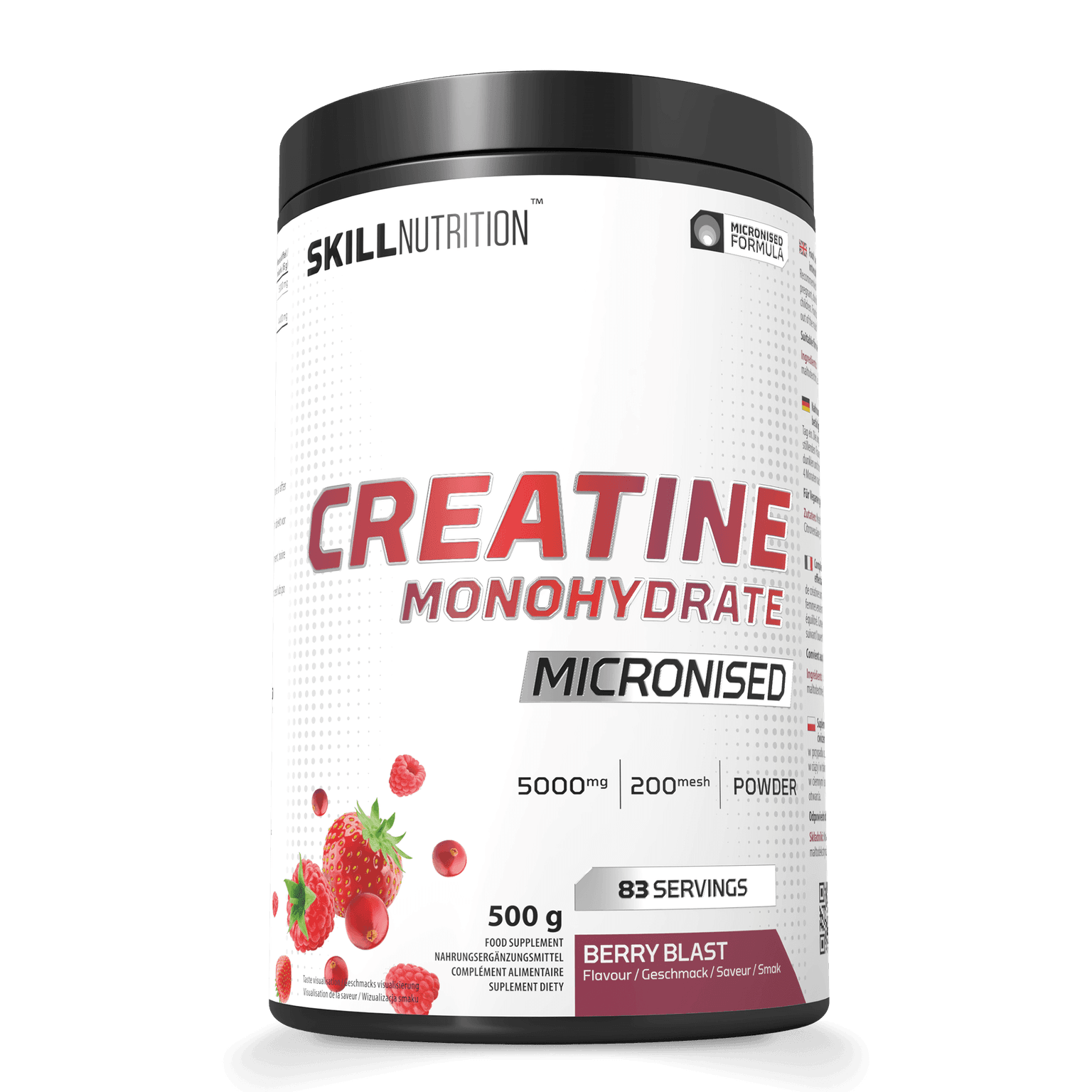
Appropriately selected dietary supplements (such as protein supplements, creatine, or vitamins) can be a convenient addition to a well-balanced diet, but they will not fix its foundations. Before you start looking for another product, keep a food diary for a few days and record what you actually eat. This simple habit can often tell you more about the reasons behind a training plateau than even the most detailed workout plan.

4. You put recovery off until later
More training does not always mean better results. If you fill every free moment with another workout session, your body may not have enough time to recover from the effort. Too little sleep, a lack of rest days, and constantly training at high intensity can gradually reduce the quality of your workouts. Pay attention to signs such as:
- persistent fatigue,
- deteriorating exercise technique,
- a decline in strength or endurance,
- a lack of motivation despite previously feeling eager to exercise.
Recovery should therefore be treated as an integral part of your training plan. Make sure you get enough sleep, include rest days, and periodically reduce the intensity of your workouts. Do not try to make up for every missed session at all costs, either. Sometimes the best decision for continued progress is to take an easy day and return to your workout with more energy.
5. You expect results immediately
The first week brings enthusiasm, the second brings muscle soreness, and after a month you start wondering: why don't I look the way I expected yet? The problem may not be the training itself, but the timeframe you have set for achieving your goal. Changes in your physique take time, and body weight does not tell the whole story. Your weight may remain unchanged for a while even though you are doing more repetitions, lifting heavier weights, running for longer, or noticing changes in your measurements. If you focus solely on one number, it is easy to overlook real progress.
Set smaller goals and evaluate your results from a broader perspective. Take measurements under similar conditions, record your results, and pay attention to your technique, fitness, and overall well-being. A good plan requires consistency. Constantly changing it simply because you have not seen results after a few workouts may actually take you further away from your goal.
Before You Add Another Workout
Not seeing the results you expect does not always mean that you are not exercising enough. Before increasing the number of sessions or switching to a more demanding plan, take a look at the basics: your goal, progression, diet, recovery, and how you measure your results. Do not try to improve everything at once. Choose one area, make one specific change, and observe its impact on your results for a few weeks. A well-planned workout routine needs time, but above all, it needs consistency – that is what turns individual sessions into noticeable progress.