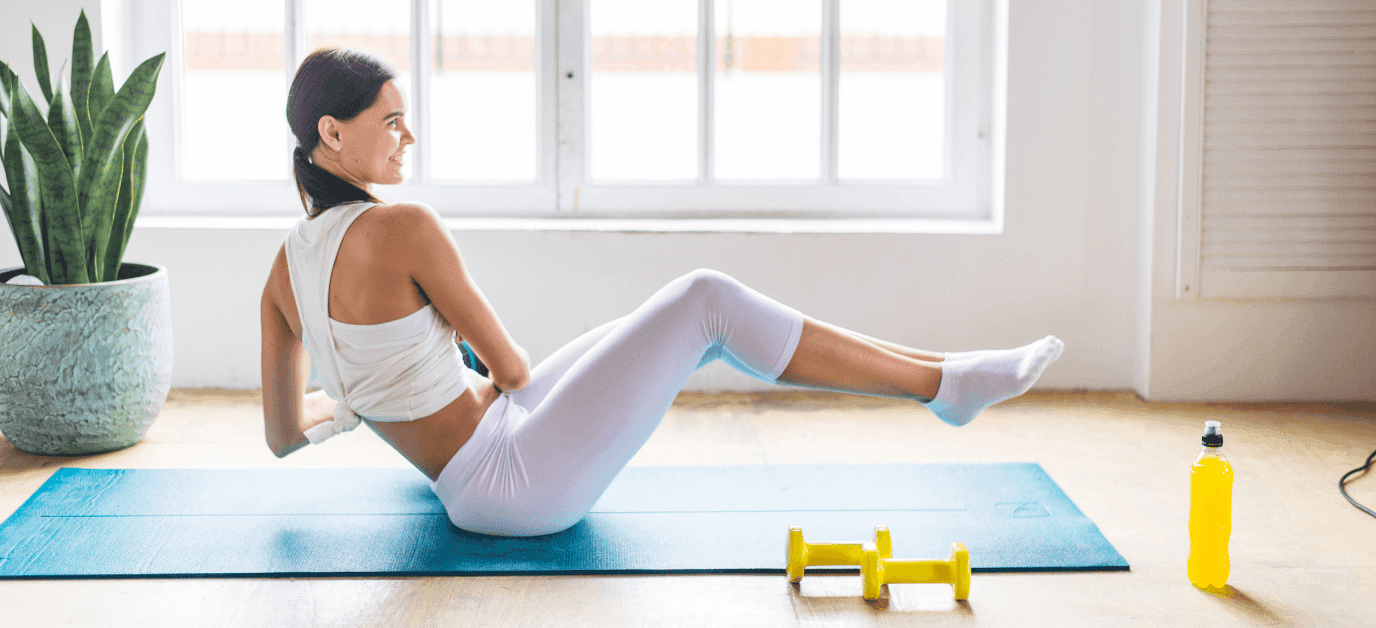
How to train effectively at home when you don’t feel like going to the gym?
15.01.2026
Don’t feel like packing your bag, sitting in traffic, or waiting in line for equipment? An effective workout doesn’t have to start at the gym. Home conditions can be perfect for getting in shape-if you know how to use them. Your own space, flexible schedule, and freedom from outside pressure are huge advantages. We’ll show you how to train at home even when your motivation is running low.
Why can home workouts be just as effective as gym training?
Your muscles don’t know whether you’re exercising in a fitness club or in your living room between the couch and the coffee table. What matters to your body is one thing: the stimulus. If it’s properly chosen, applied regularly, and progressively increased, results will come-regardless of where you train. That’s why people who work out at home can build strength, improve their physique, and boost fitness without access to professional machines.
Home training often beats the gym in one key area: consistency. No commuting, no fees, and no excuses make it easier to stay on track. Even 30–40 minutes of solid work a few times a week brings better results than a perfect plan followed “once in a while” at the gym. Add to that psychological comfort-you move at your own pace, without comparing yourself to others or feeling judged. Especially at the beginning, that can make a huge difference.
How to prepare for home workouts so you don’t lose motivation?
The biggest enemy of home training isn’t lack of equipment-it’s lack of a plan. When you work out “whenever it happens,” it’s very easy to put everything off until tomorrow. That’s why a fixed training time is essential, even if it’s only 20–30 minutes at first. Your body quickly adapts to routine, and training starts to feel natural rather than like another task on your to-do list.
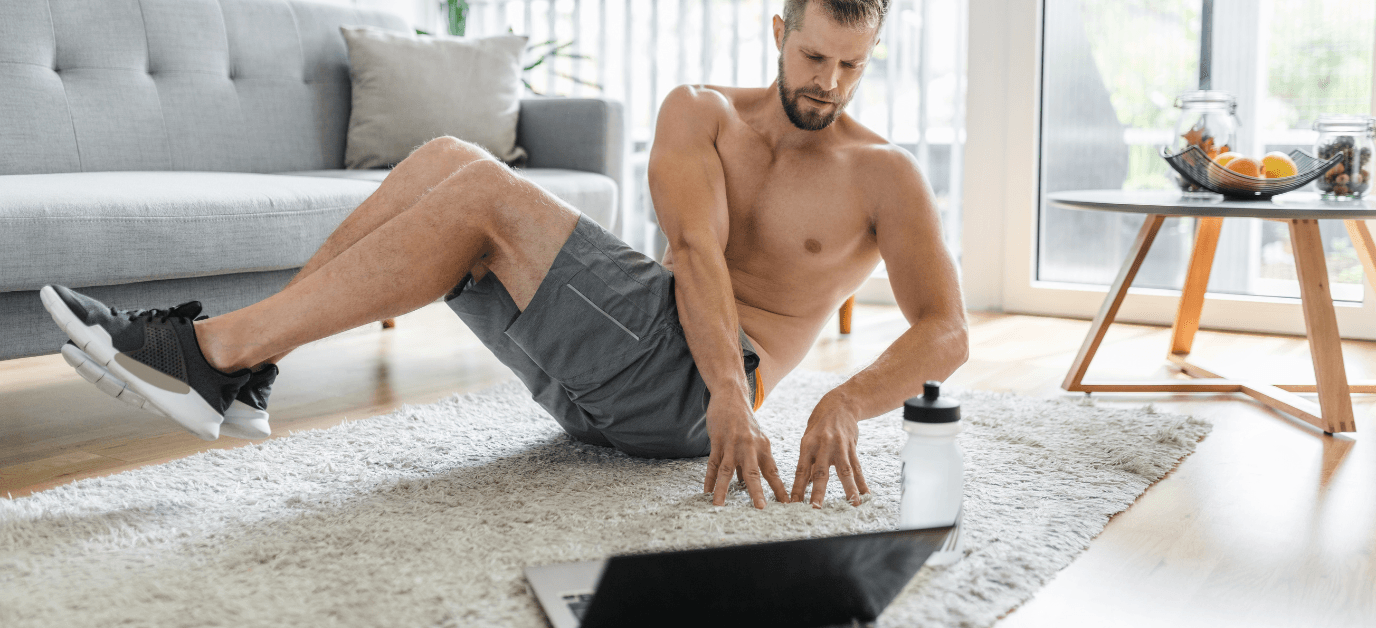
It also helps to create a small personal workout space. You don’t need a separate room-just a bit of floor, a mat, and a place where nothing distracts you. A simple trick that works for many people: put on your workout clothes before you start. Don’t train in your lounging sweatpants. Changing your outfit sends a clear signal to your brain: now it’s time to move.
A short warm-up matters too-just a few minutes of dynamic movement helps you get into the right rhythm and often determines whether the workout actually happens. Once your body starts moving, motivation usually follows.
Training without equipment – what really works?
No dumbbells or machines doesn’t mean a “half-hearted” workout. Bodyweight exercises can be seriously demanding, and when done right, they’re surprisingly effective. Focus on simple, compound movements that engage your whole body, such as:
squats
lunges
push-ups
plank
burpees
mountain climbers
glute bridges
What matters most is control and progression, not doing as many reps as fast as possible. Slower tempo, longer lowering phases, pauses under tension, or shorter rest periods can turn a simple exercise into a real challenge. Instead of adding weight, you increase difficulty. This approach not only improves results but also builds better muscle awareness and technique. That’s how home training stops being a compromise and becomes a conscious, effective way to work on your physique.
Home workout equipment – what’s worth having?
While bodyweight training can be very demanding on its own, a few simple accessories can greatly expand your home workout options. The goal isn’t to build a full gym, but to have a smart minimum that adds variety and supports progression.
Resistance bands are a great example-lightweight, inexpensive, and taking up less space than a towel. They let you adjust resistance, diversify exercises, and better activate muscles. A kettlebell or a pair of adjustable dumbbells can also be a great addition for both strength and functional training. And if you have a bit more space, a pull-up bar can do wonders for your back and arms.
Most importantly, equipment should support your training, not replace it. Even a single extra weight, used consistently, will bring better results than a whole set gathering dust in the corner. In home workouts, what counts is simplicity, regularity, and gradually raising the bar-just like at the gym.
Read more