
Natural Ways to Increase Testosterone Levels – Diet, Sleep, and Training
19.02.2026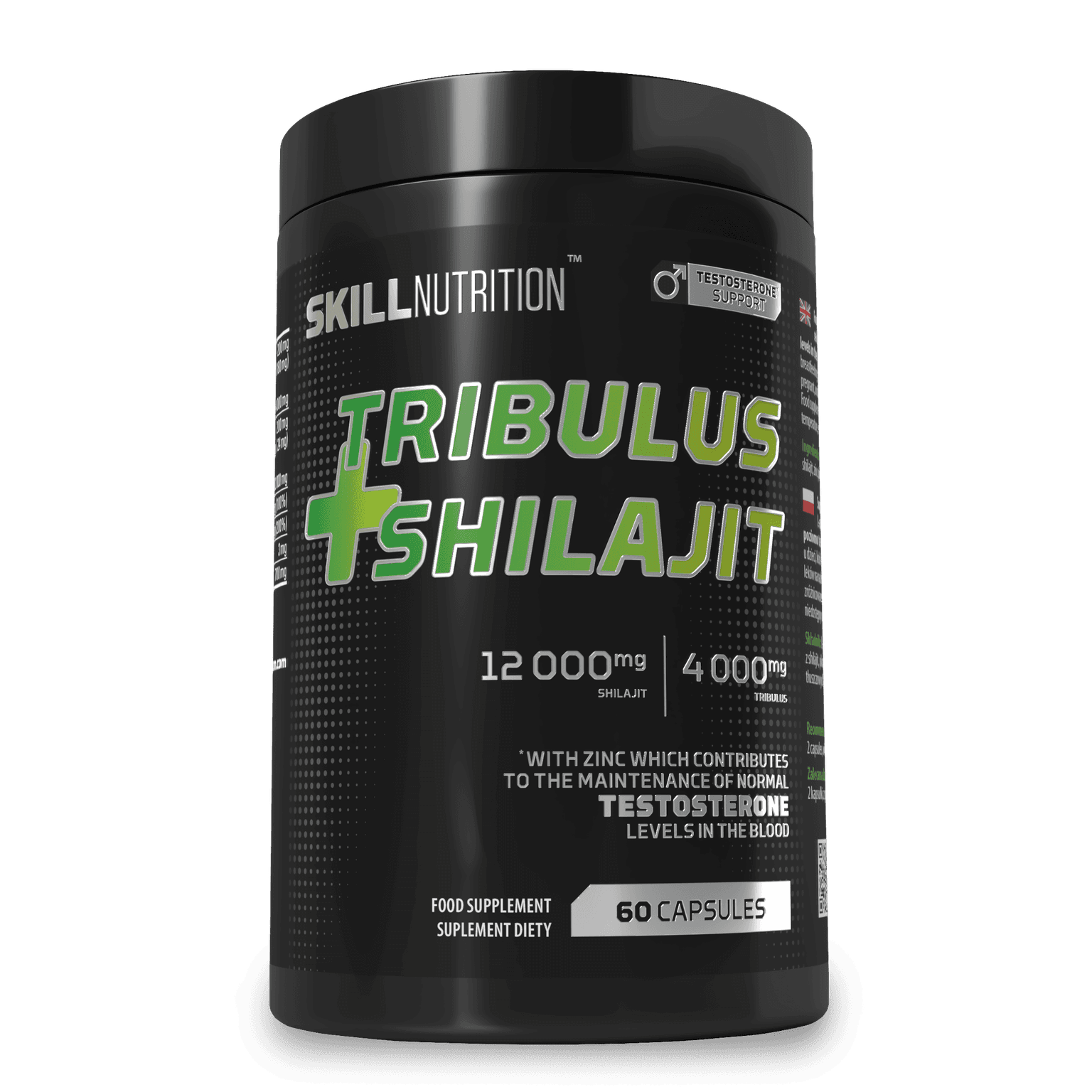
Testosterone – How to Naturally Support Its Optimal Levels?
Testosterone – a word associated with strength, energy, and confidence. But what happens when this hormone starts to play tricks on you? With age, its levels naturally decline, which can affect your physical condition, mood, and even overall quality of life. Fortunately, there are ways to counteract this – completely naturally! We’re talking about proper nutrition, quality sleep, and well-designed training. Discover healthy ways to naturally boost your testosterone levels!
How to Naturally Increase Testosterone Levels?
Boosting testosterone does not have to mean complicated therapies or medical procedures. Nature has a lot to offer – you simply need to reach for proven methods that support your body in a natural way. Success lies in a comprehensive approach that includes diet, sleep, physical activity, and stress reduction. Here are some practical tips that can help!
1. Sleep – Your Natural Testosterone Factory
Lack of proper rest is a silent enemy of hormonal health. During sleep, especially in the REM phase, the body intensively produces testosterone [1]. Studies indicate that sleeping only 5 hours per night may reduce testosterone levels by up to 15% [2]!
Aiming for 7–9 hours of high-quality sleep is essential. To improve sleep quality, maintain consistent bedtimes, limit evening exposure to blue light, and create a cozy, dark environment in your bedroom.
2. Diet – Foods That Support Hormonal Balance
What you put on your plate plays a crucial role in testosterone production. Here are key nutrients worth including in your diet:
Zinc – essential for maintaining normal testosterone levels. Found in seafood, nuts, and pumpkin seeds [3].
Selenium – supports spermatogenesis and protects cells against oxidative stress. Brazil nuts are a natural source [4].
Boron – a trace element that may help improve free testosterone levels. Present in apples and nuts [5].

Make sure to include adequate amounts of healthy fats as well, such as those from avocado or olive oil. Testosterone is a steroid hormone, and cholesterol is necessary for its synthesis.
In addition to a balanced, nutrient-rich diet, you may consider incorporating herbs and natural compounds into your routine. Ayurvedic ingredients such as Shilajit, Tribulus, and Ashwagandha have been valued for centuries for their ability to support hormonal balance, vitality, and regeneration:
Shilajit – also known as mumio, is a natural substance extracted from mountain rocks, particularly in the Himalayan region. It is rich in fulvic and humic acids that support regeneration and mitochondrial function [6].
Tribulus – traditionally used to support libido and testosterone levels. Research suggests it may improve semen quality and support hormonal balance in men. It has also been used to enhance vitality and energy [7].
Ashwagandha – another Ayurvedic herb with unique properties. A standardized root extract rich in withanolides helps reduce cortisol (the stress hormone) and supports hormonal balance. High-quality ashwagandha is also associated with positive effects on testosterone levels and male sexual function [8].
3. Training – The Foundation of Hormonal Balance
Regular physical activity not only strengthens the body but also helps maintain hormonal balance. However, choosing the right type of exercise is crucial.
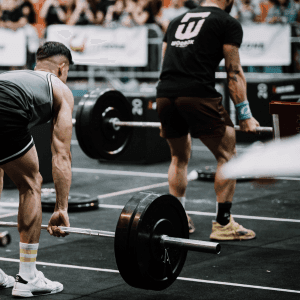
Resistance training is the undisputed leader – weightlifting and compound exercises engaging large muscle groups, such as legs and back, effectively stimulate testosterone production [9]. Incorporating squats, deadlifts, or rowing into your training plan can deliver impressive results.
For those who prefer a faster pace, high-intensity interval training (HIIT) is an excellent option. Short bursts of intense exercise alternated with recovery periods not only support metabolism but may also stimulate testosterone production [10]. For example, several short sprints combined with rest intervals can be a simple way to boost energy and improve performance.
However, balance is key. Excessive intensity or prolonged overtraining may have the opposite effect – lowering testosterone levels and leading to fatigue. Listen to your body, prioritize recovery, and remember that sometimes less is more. Train smart, and your body will reward you.
4. Stress – The Enemy of Your Testosterone
Chronic stress increases cortisol levels, which acts antagonistically toward testosterone [11]. Relaxation techniques such as meditation, yoga, or simple breathing exercises can help reduce tension and restore hormonal balance.
Supplementation as Additional Support for Testosterone Levels
Testosterone plays an important role in building strength, endurance, and promoting faster recovery after workouts. Adequate levels support protein synthesis, contributing to muscle growth and improved gym performance. Additionally, testosterone influences regenerative processes, helping you recover more quickly after intense exercise [12].
Unfortunately, testosterone levels may decline due to stress, poor diet, or simply aging. This is where supplementation may provide additional support for maintaining hormonal balance.
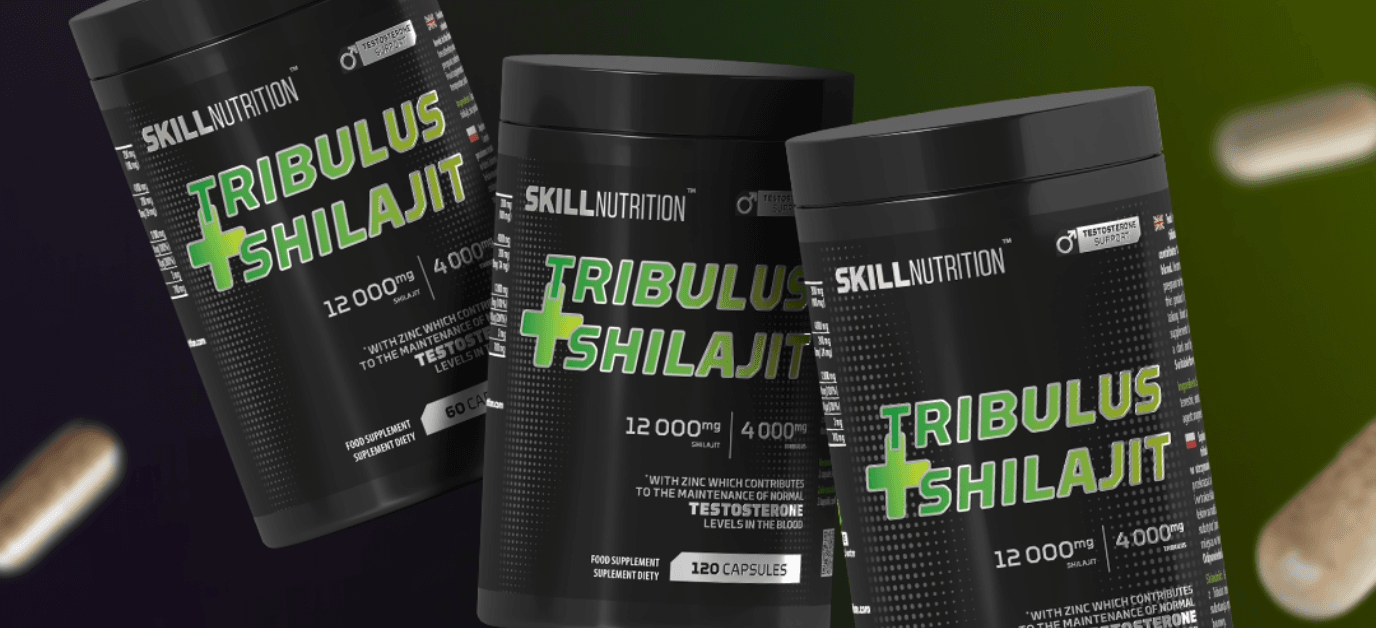
Tribulus + Shilajit is a dietary supplement designed to support natural testosterone levels. Its formula contains tribulus, shilajit, L-arginine, zinc, boron, and selenium. Thanks to the synergy of these ingredients, Tribulus + Shilajit provides effective support not only for athletes but also for anyone looking to maintain vitality and overall well-being.
In addition to tribulus and shilajit, other popular natural ingredients include ashwagandha and fenugreek, which are known for supporting hormonal balance and vitality.