
Faster return to the game. L-glutamine and EAAs as the foundation of post-workout recovery.
25.06.2026Recommended products
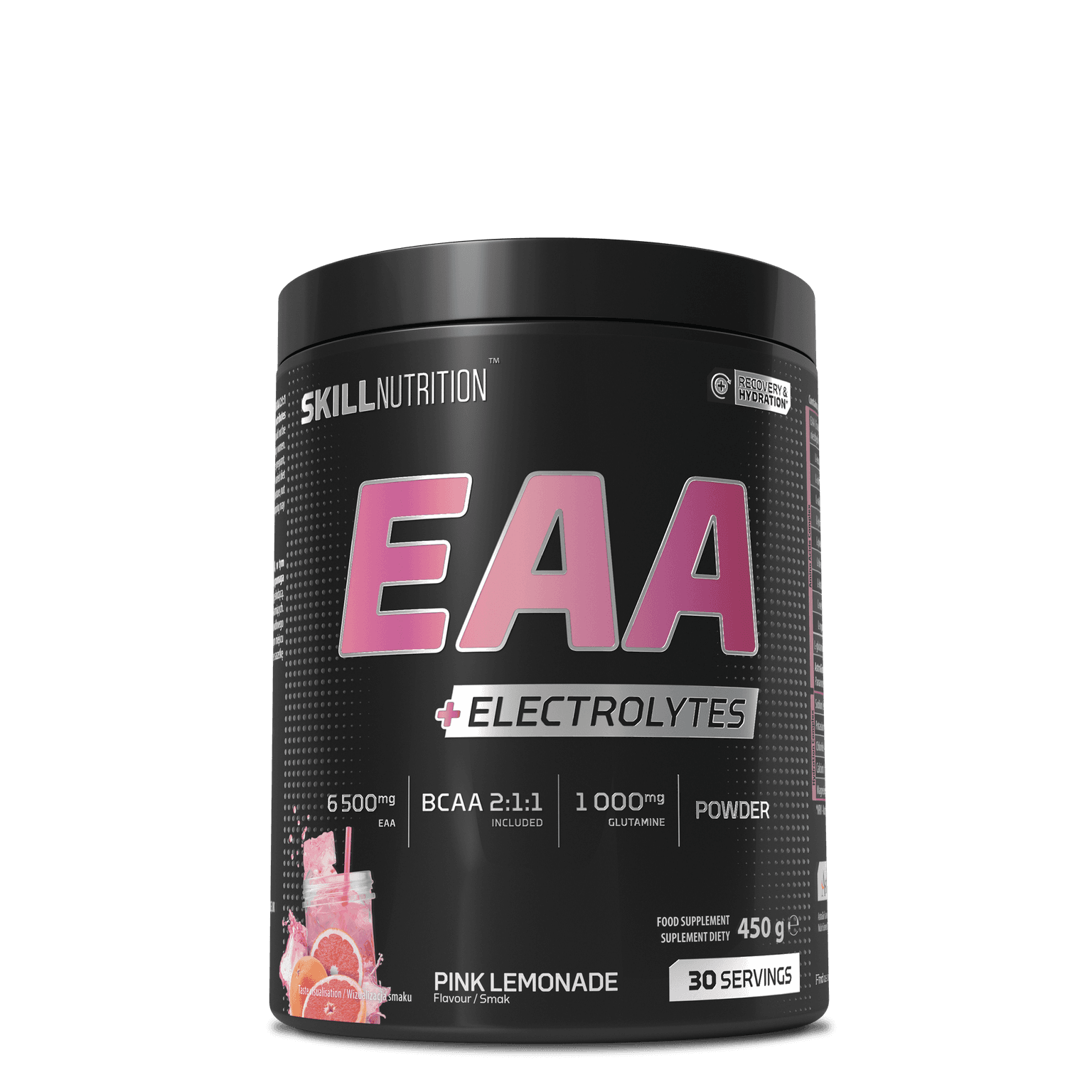
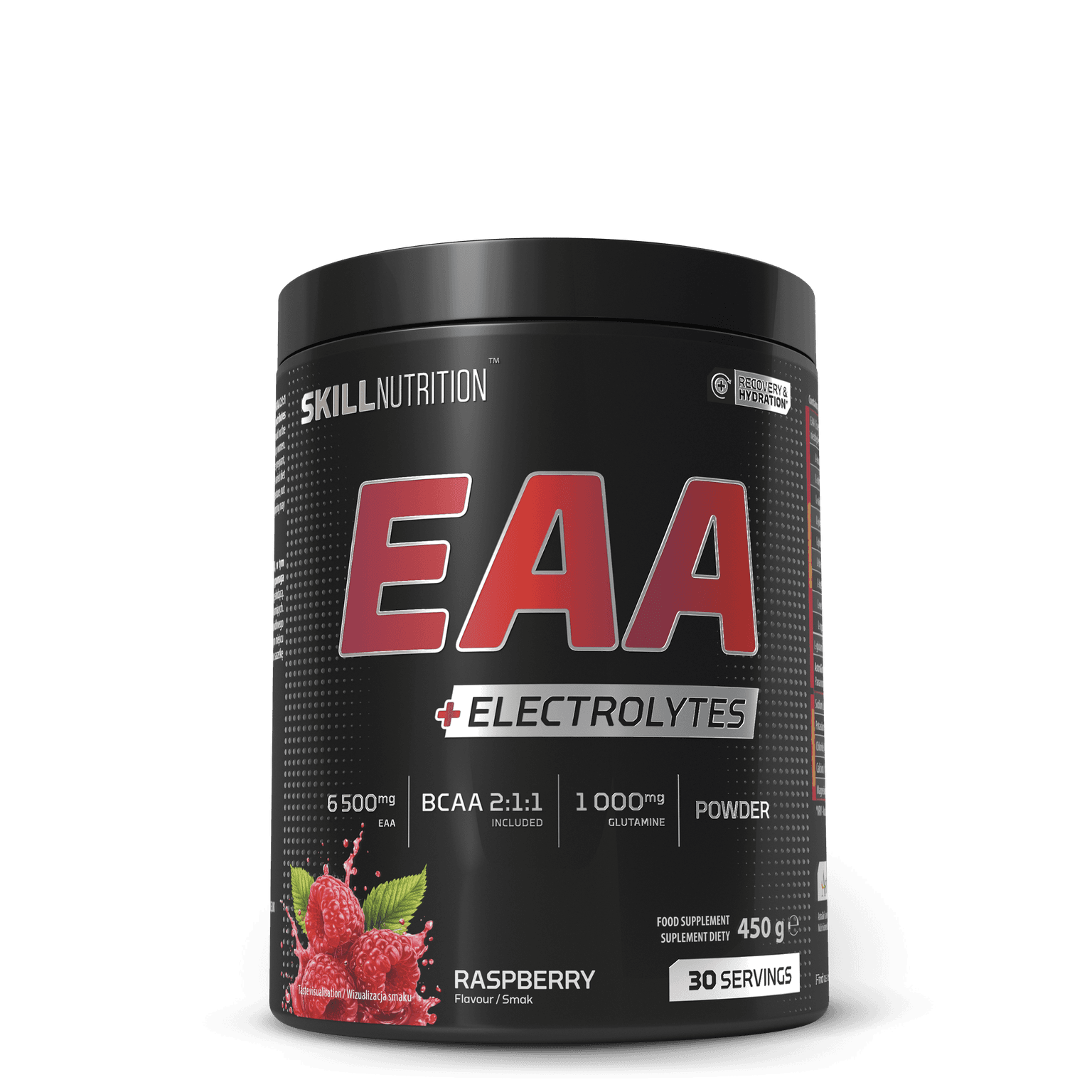
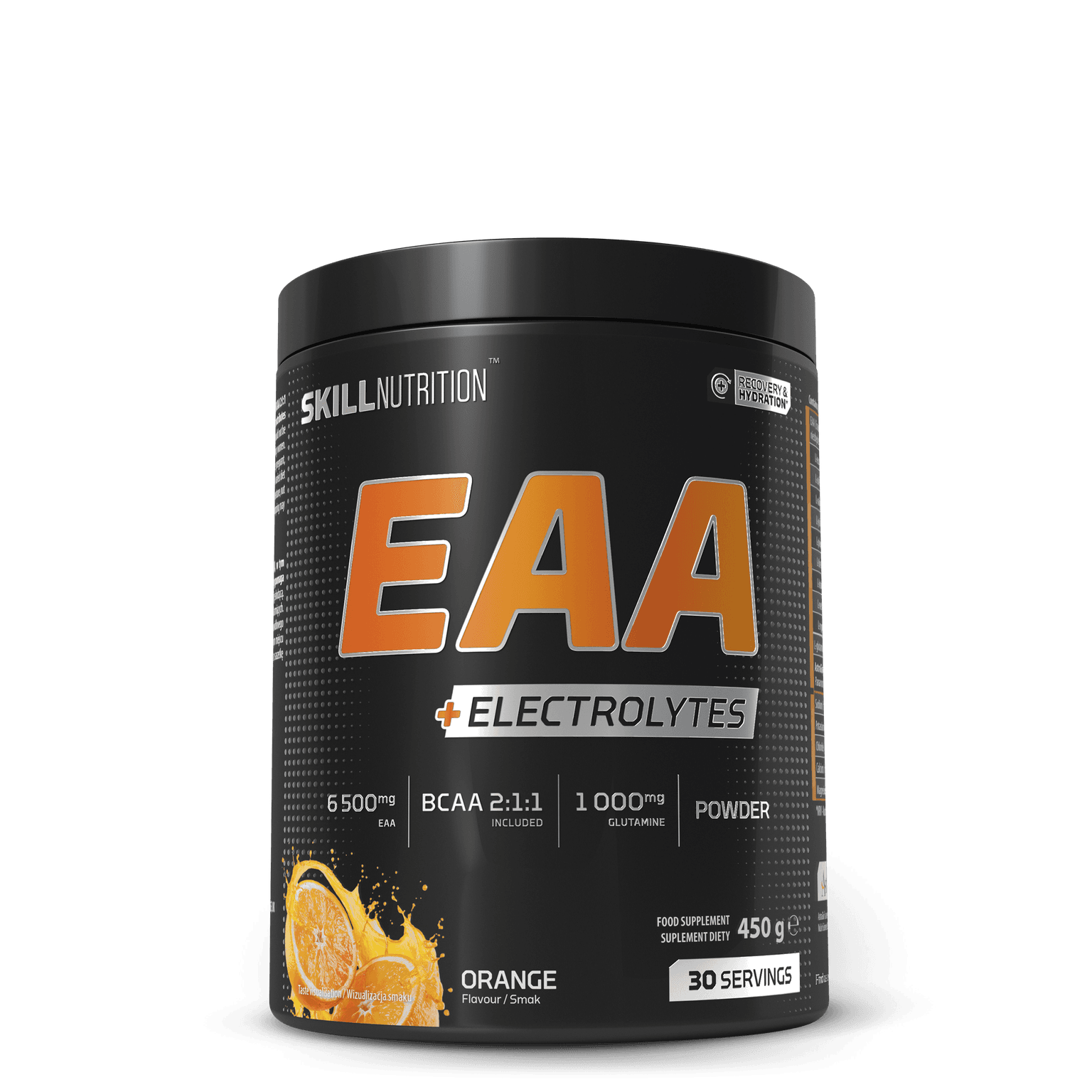
Intensive training causes more than just muscle fatigue. For the body, it is also physiological stress that temporarily knocks it off balance. Micro-damage to muscle fibers, amino acid depletion, and a disrupted electrolyte balance—this is the natural price of progress. That is exactly why proper recovery must start right after the effort. Adequate support, such as amino acids, can help the body get back in shape and prepare for the next workout.
Why Rest is Not Enough? The Truth About Post-Workout Recovery
Recovery is often associated with taking a day off from training or spending a quiet evening on the couch. In reality, it is a much more complex process that begins almost immediately after your workout ends. The body switches from "action" mode to "rebuilding" mode—it replenishes depleted resources, repairs micro-damage, and gradually returns to equilibrium.
Sleep, a well-planned rest schedule, and daily habits that support the body's return to balance all play a significant role in recovery. This is precisely when your body adapts to training loads and prepares for subsequent exercise sessions. A conscious approach to recovery isn't about "doing nothing," but rather about creating the right conditions to help your body efficiently prepare for upcoming challenges.
Amino Acids as the Foundation of Post-Workout Rebuilding
After an intense workout, your body is essentially a construction site. The groundwork has been laid, but to make the effects last, the right materials are needed. This is where amino acids—the fundamental building blocks of proteins that make up your muscles—play a crucial role. During physical exertion, the demand for them increases because the body utilizes them for ongoing energetic and adaptive processes. [1]
Essential Amino Acids (EAA), which are those the body cannot produce on its own and must obtain through diet, are of particular importance. Their presence post-workout supports natural regenerative processes and helps maintain muscle mass, especially if you engage in regular, intense training sessions. [2]
This is why more and more people treat amino acid supplementation as a staple of their post-workout routine. It provides simple support for the body exactly when it most needs balance and rebuilding before the next challenge.
L-Glutamine – Recovery Support After Intense Exercise
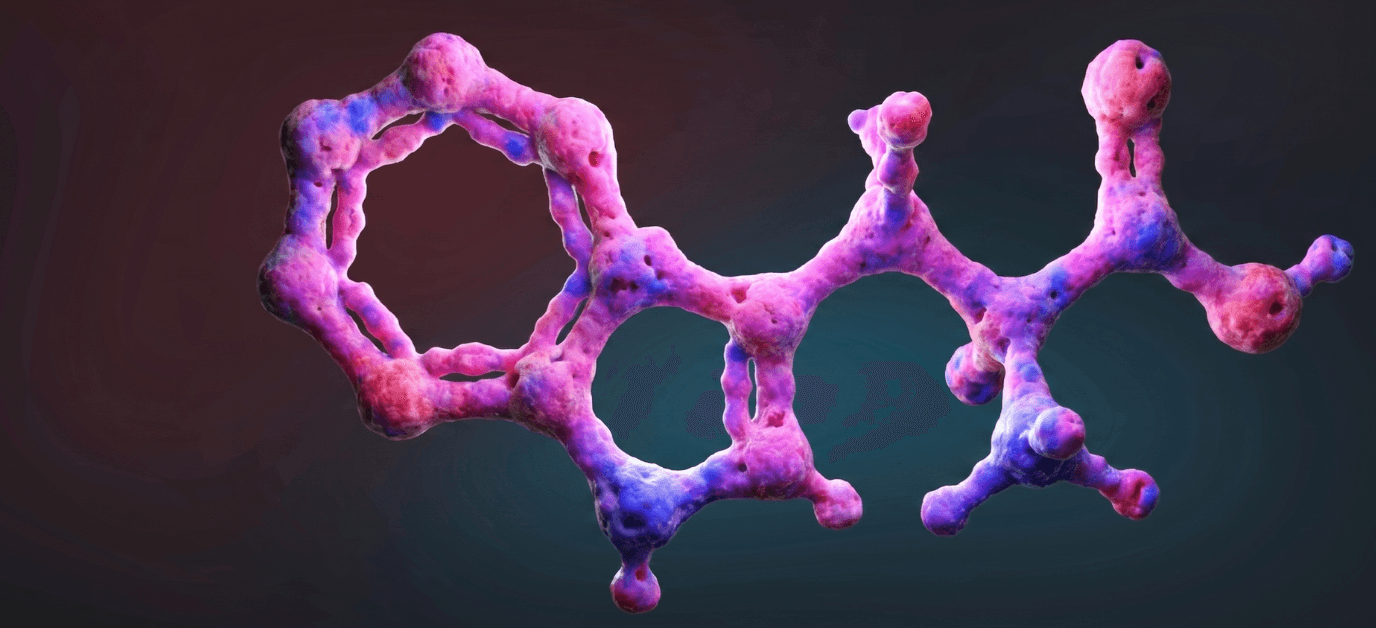
L-glutamine is one of the most abundant amino acids in the body, particularly in muscle tissue. Under normal daily activity, the body can produce it on its own; however, during intense workouts, the demand rises significantly. Physical exertion leads to a higher consumption of glutamine, which can temporarily reduce its availability in the muscles. [3] Therefore, many people reach for L-glutamine as an easy post-workout dietary supplement. Its primary goals are to:
Support the repair processes of muscle proteins.
Replenish the pool of amino acids lost during exercise.
Help maintain muscle mass during regular training cycles.
Of course, glutamine won't replace sleep or a proper meal. It can, however, serve as an excellent addition to your daily training routine—especially when your workouts are frequent, intense, and long breaks are hard to come by.
EAA – A Complete Amino Acid Profile When Time Matters
After training, the body doesn't pick and choose single nutrients—it needs a full set of "tools" to get back to normal. This is where EAAs come in. Because the body cannot produce these essential amino acids internally, they must be supplied externally, and their availability right after a workout is incredibly important. [4]
In practice, EAAs are often chosen for convenience. After training, you don't always have the time or the right conditions for a full, wholesome meal. The powder form allows you to quickly supplement your diet with amino acids without placing a heavy burden on your digestive system. It’s a solution that easily fits into a daily training rhythm.
It is also worth remembering that after an intense workout, the body loses not only energy but also water and minerals. This is one of the main reasons why EAAs are frequently combined with electrolytes. This duo helps you maintain proper hydration and mineral balance.
EAAs with Glutamine or Standalone L-Glutamine?
Not everyone requires the exact same post-workout support. Some people reach for comprehensive solutions, while others prefer simplicity and the ability to precisely tailor their supplementation to their current training loads.
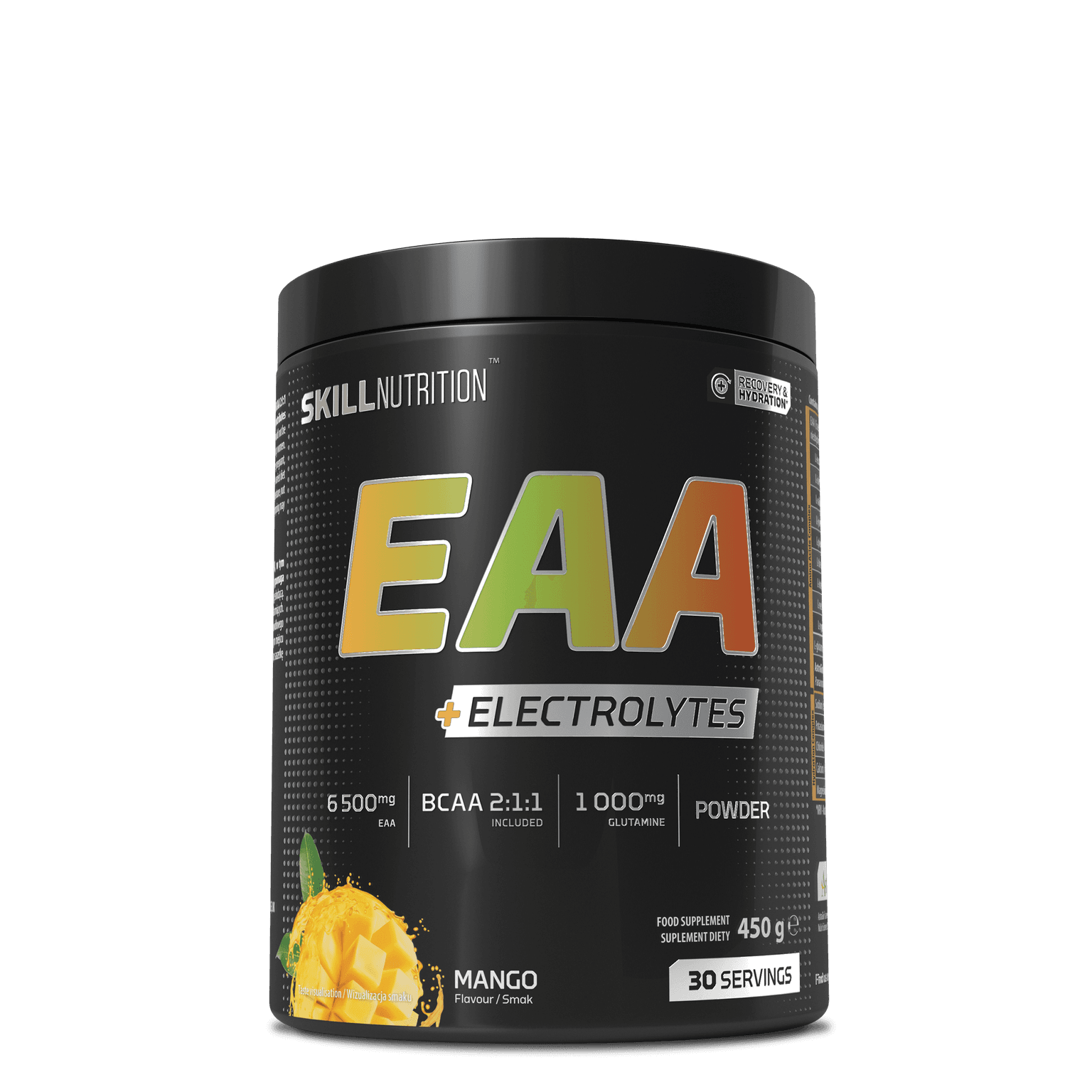
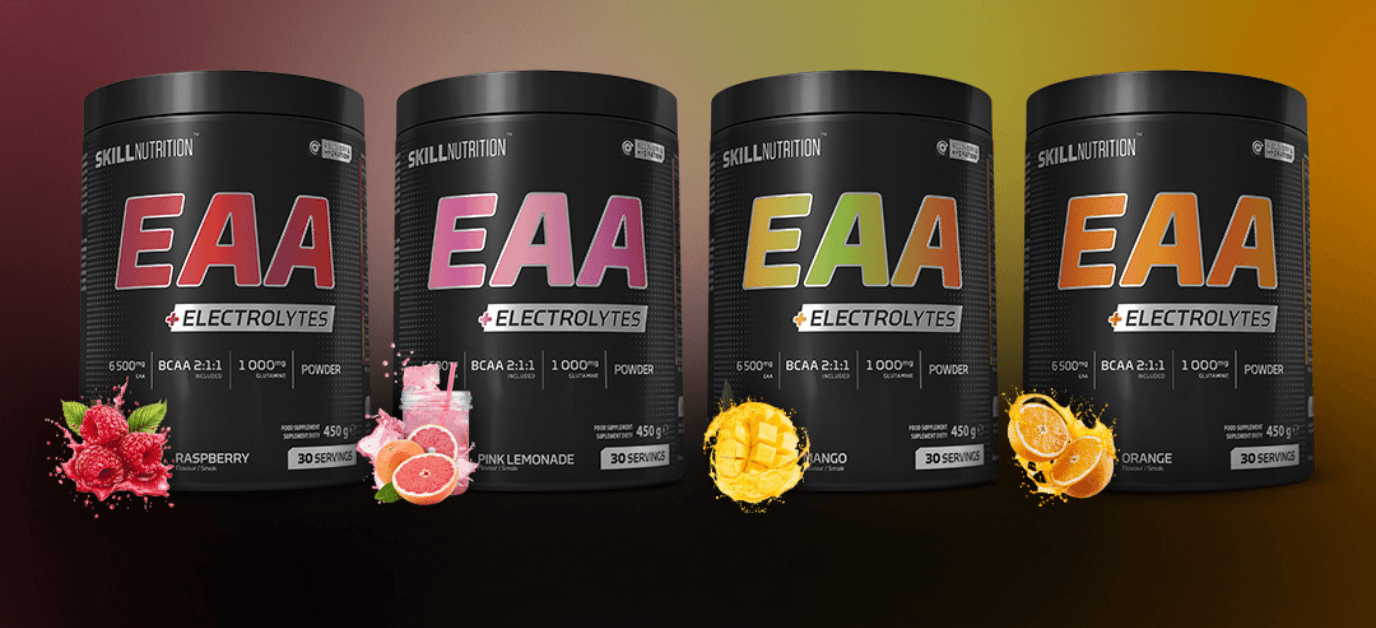
Skill Nutrition EAAs with added glutamine and electrolytes are perfect when convenience and the rapid replenishment of multiple nutrients at once are your top priorities—especially after long or highly intense sessions. This is the go-to option for those who want everything in a single product.
Standalone Skill Nutrition L-glutamine, on the other hand, is often the choice when training sessions are very frequent, high-volume, or when you specifically want to increase your intake of this single amino acid independently of your other supplements. It offers a more flexible approach, allowing you to adjust your glutamine dosage to your individual needs.
Both solutions align with a conscious approach to recovery. The difference doesn't come down to one being "better" or "worse," but rather depends entirely on your training style, lifestyle, and what you expect from your supplementation.
Sources:
Phillips SM, Van Loon LJ. Dietary protein for athletes: from requirements to optimum adaptation. J Sports Sci. 2011;29 Suppl 1:S29-38. doi: 10.1080/02640414.2011.619204. PMID: 22150425.
Tipton KD, Wolfe RR. Exercise, protein metabolism, and muscle growth. Int J Sport Nutr Exerc Metab. 2001 Mar;11(1):109-32. doi: 10.1123/ijsnem.11.1.109. PMID: 11255140.
Newsholme EA, Blomstrand E, Ekblom B. Physical and mental fatigue: metabolic mechanisms and importance of plasma amino acids. Br Med Bull. 1992 Jul;48(3):477-95. doi: 10.1093/oxfordjournals.bmb.a072558. PMID: 1360309.
Tipton KD, Ferrando AA, Phillips SM, Doyle D Jr, Wolfe RR. Postexercise net protein synthesis in human muscle from orally administered amino acids. Am J Physiol. 1999 Apr;276(4):E628-34. doi: 10.1152/ajpendo.1999.276.4.E628. PMID: 10198297.