Padel: The Racket Sport Everyone Wants to Try
22.10.2026Table of contents
- 1.Padel – What Is It and How Do You Play?
- 2.Why Is Padel So Popular?
- 3.What Are the Benefits of Playing Padel Regularly?
- 4.How Do You Get Started with Padel?
- 5.What Padel Equipment Should Beginners Choose?
- 6.Staying Energised on the Court – What to Know Before Playing
- 7.Padel – A Sport Worth Trying
Recommended products

Padel has grown from a relatively niche racket sport into a popular activity enjoyed by people of all ages and fitness levels. Combining elements of tennis and squash, it offers fast-paced rallies, plenty of movement and a social atmosphere without requiring years of training to enjoy your first game. Its simple rules and doubles format make it easy to get started — and surprisingly hard to stop at just one match. Discover what makes padel so appealing and how to get started.
Padel – What Is It and How Do You Play?
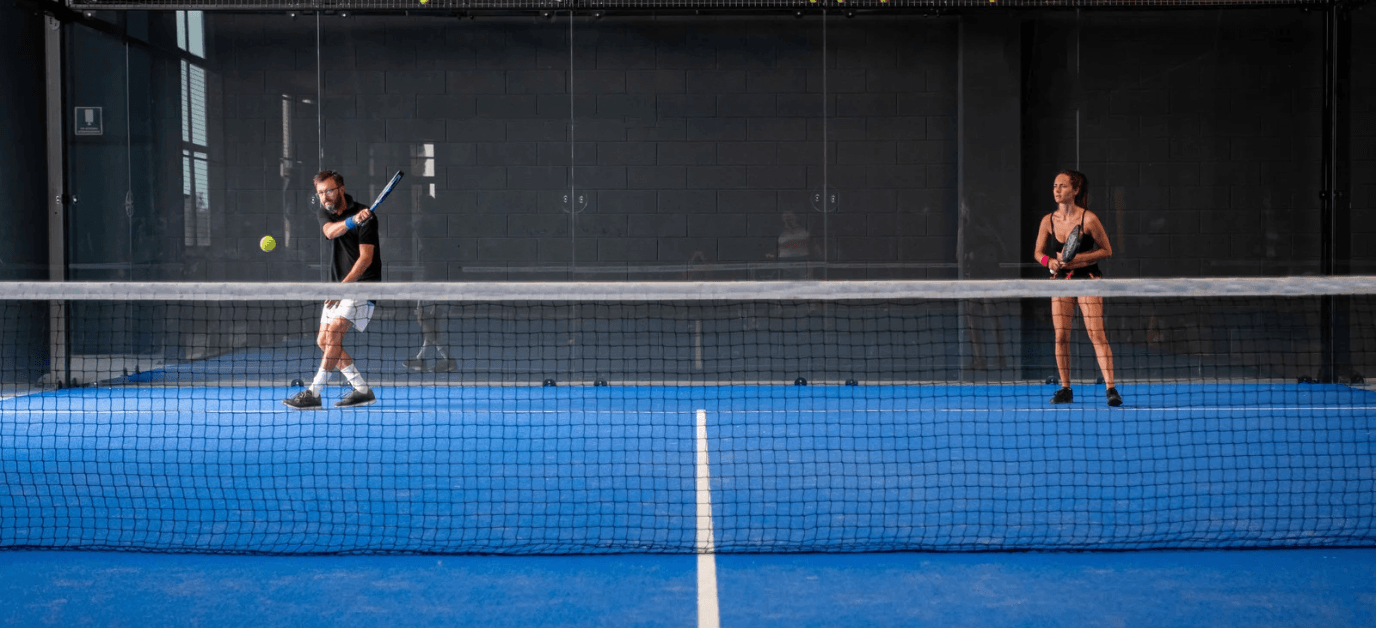
At first glance, padel looks like tennis played inside an enclosed court surrounded by glass walls and mesh fencing. It is usually played by four people in two teams of two. The aim is to hit the ball over the net and make it difficult for the opposing team to return it. The scoring system is similar to tennis, but the court is smaller, the racket has no strings, and serves are hit underhand.
The most distinctive feature of padel is the use of the walls, which are an integral part of the game. After bouncing on the ground, the ball can hit the glass and remain in play, creating opportunities for unexpected returns and longer rallies. A shot that might end a point in tennis can become the start of an exciting new exchange in padel. The basic rules are straightforward enough to learn during your first session.
Why Is Padel So Popular?
Padel offers beginners something that can be difficult to find in other racket sports: the satisfaction of getting involved in the game almost immediately. The smaller court makes it easier to reach the ball, the underhand serve is relatively simple to learn, and the walls help keep rallies going. Yet the game remains challenging as players improve, discover new shots and develop more advanced tactics.
Its social nature is another major reason for its appeal. With two teams sharing the court, communication, teamwork and positioning are just as important as physical fitness. Every match offers an opportunity to exercise, enjoy some friendly competition and spend quality time with others. Padel is easy to pick up but takes time to master — a combination that keeps players coming back for more.
What Are the Benefits of Playing Padel Regularly?
During a match, you constantly change direction, accelerate, slow down and react to the ball bouncing off the walls. Padel engages your legs and arms as well as your core muscles, which help you maintain balance and stability when hitting the ball. Regular play can help improve cardiovascular fitness, coordination, reflexes and agility.
Padel also develops skills that go beyond physical fitness:
- Quickly judging the ball's trajectory.
- Communicating and working effectively with your partner.
- Staying focused during fast-paced rallies.
- Making decisions under time pressure.
One of the best things about padel is how easily it takes your mind off the physical effort. Instead of watching the clock, you focus on the next shot, your opponents' positioning and the open spaces on the court. Before you know it, the session is over.
How Do You Get Started with Padel?
You don't need to invest in equipment or memorise every rule before your first match. Many padel clubs offer racket and ball rentals, so comfortable sportswear, suitable athletic shoes and three people ready to play are often all you need. If you don't have a full group, ask your local club about beginner sessions, social games or ways to find players at a similar skill level.
Booking an introductory lesson with a qualified instructor is another great option. You'll learn how to grip the racket, serve correctly, position yourself on the court and use the walls effectively. Getting these basics right early on can help you develop good habits and improve more quickly.
To begin with, focus on three key principles:
- Don't hit every ball as hard as you can. Control and positioning are often more important than power.
- Move back into position with your partner instead of chasing the ball around the entire court on your own.
- Learn to use the glass walls. They aren't obstacles — they're part of the game.
What Padel Equipment Should Beginners Choose?
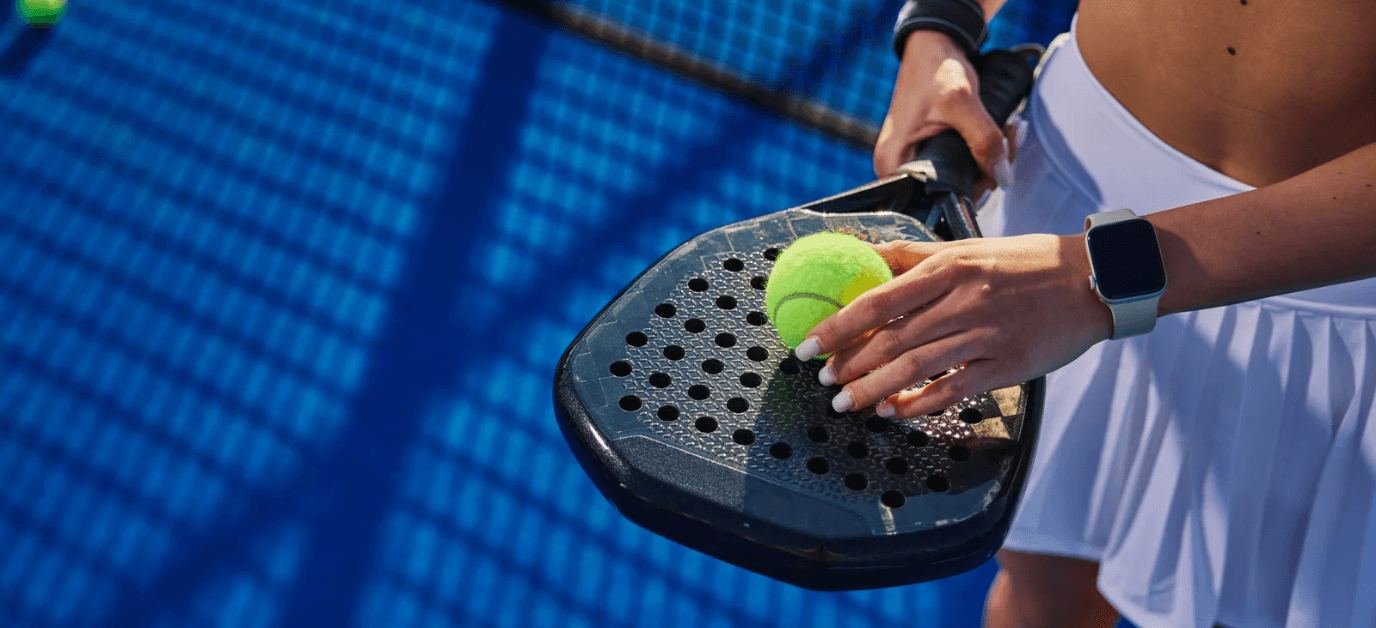
A padel racket has a solid surface with perforations rather than strings. Beginners generally benefit from round-shaped rackets with a large sweet spot and a balance point closer to the handle. These features make the racket easier to control and can reduce strain on the arm. Before buying one, try a few different models through your club's rental service to find what feels most comfortable.
Footwear matters, too. Choose shoes that provide secure support and reliable grip during sudden changes of direction. Standard running shoes are designed primarily for forward movement and may not provide the stability needed on a padel court. Beyond that, you only need comfortable sportswear, a bottle of water and padel-specific balls. Although they resemble tennis balls, padel balls have lower internal pressure, resulting in a different bounce that helps players control the pace of the game. There's no need to buy an extensive kit before your first session.
Staying Energised on the Court – What to Know Before Playing
Even a friendly match can involve repeated sprints, sudden changes of direction and challenging shots. That's why it's worth preparing your body before stepping onto the court. A few minutes of dynamic warm-up exercises can help you get ready for the activity, while a light meal eaten sufficiently in advance can help you avoid feeling too full or hungry during the match.
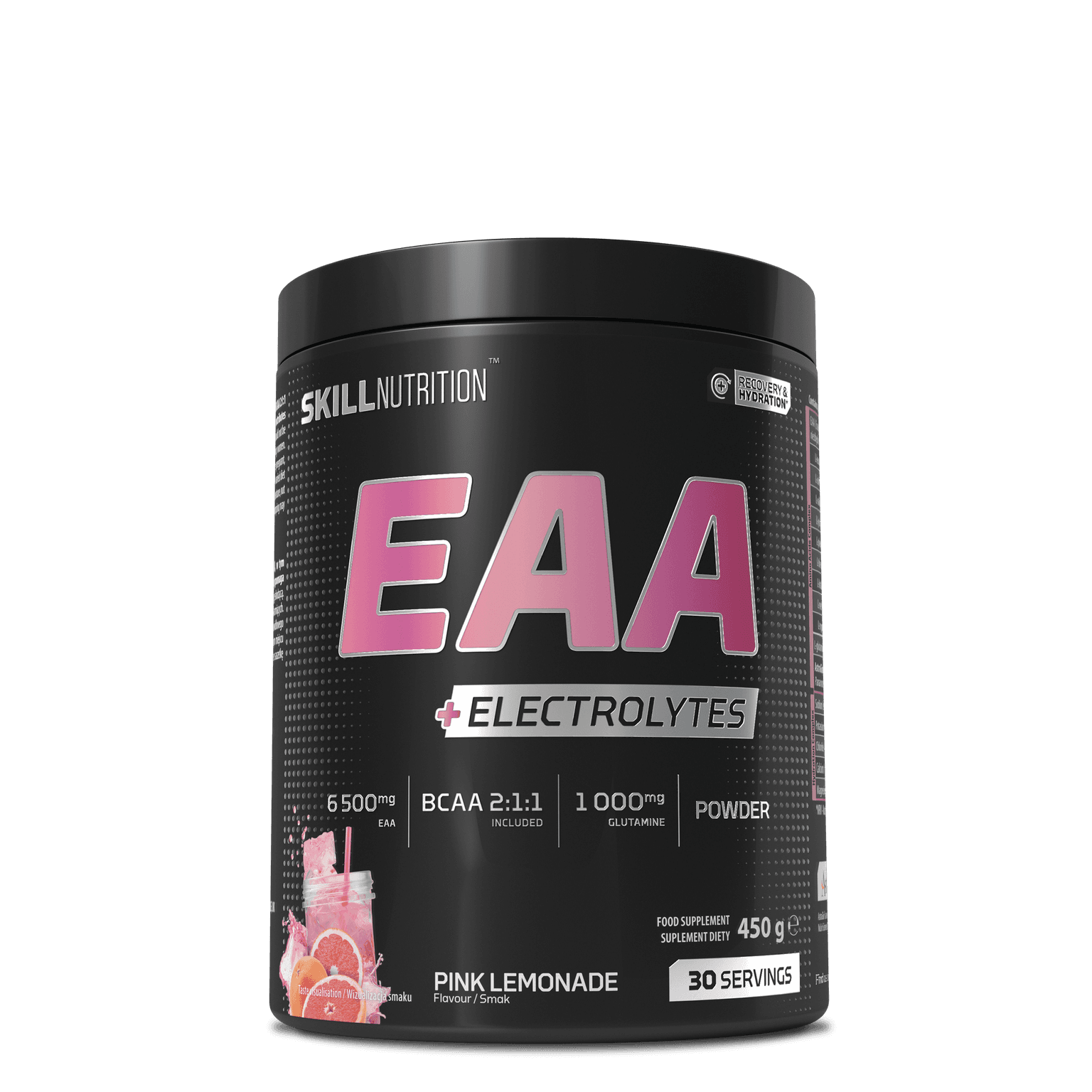
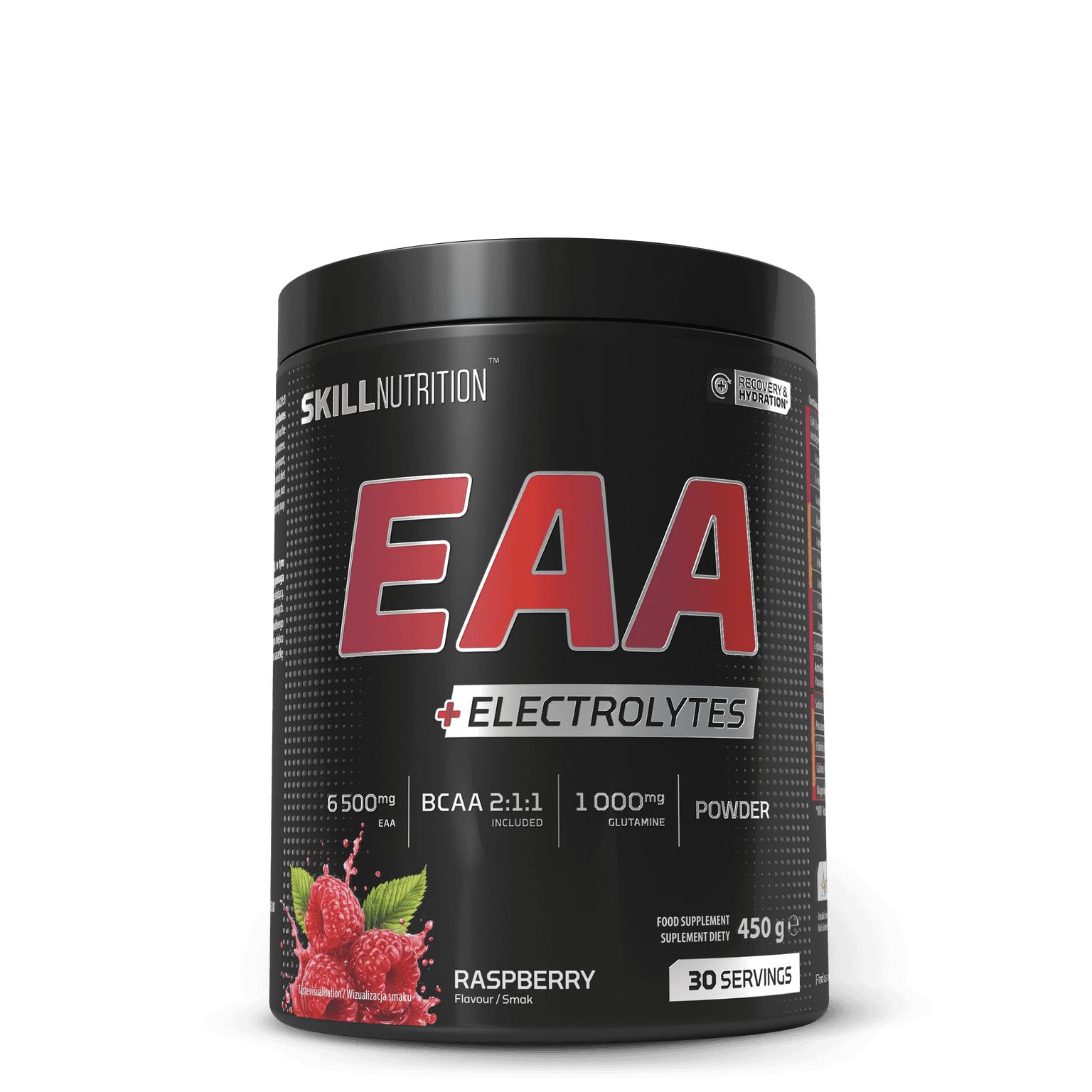
Bring water and drink regularly, particularly during longer sessions or in hot weather. During intense exercise, a drink containing electrolytes may also be an option. After playing, allow yourself enough time to recover, especially if you're planning another session the following day.
Padel – A Sport Worth Trying
You don't need previous racket-sport experience, expensive equipment or weeks of lessons before playing your first game of padel. A few basic tips and a rented racket are enough to get started. With every rally, you'll learn something new: first how to return the ball, then how to use the walls to your advantage, and eventually how to build tactics with your partner. The best way to discover what makes padel so enjoyable is to book a court and give it a try.

Table of contents
- 1.Padel – What Is It and How Do You Play?
- 2.Why Is Padel So Popular?
- 3.What Are the Benefits of Playing Padel Regularly?
- 4.How Do You Get Started with Padel?
- 5.What Padel Equipment Should Beginners Choose?
- 6.Staying Energised on the Court – What to Know Before Playing
- 7.Padel – A Sport Worth Trying