
Zone 2 – why is everyone talking about easy cardio?
09.09.2026Table of contents
- 1.What is Zone 2 and what does this type of workout look like?
- 2.How can you tell if you are training in Zone 2?
- 3.Why does easy cardio work?
- 4.How long should a Zone 2 workout last and how often should you do it?
- 5.What helps you stay comfortable during easy cardio?
- 6.Not every workout has to leave you out of breath
Recommended products
Not long ago, cardio was mainly associated with heavy breathing, sweat running down your forehead, and counting down the minutes until the workout was over. Today, there is growing interest in a completely different approach: Zone 2 exercise, where you can talk comfortably while maintaining a steady pace. If it is neither particularly fast nor exceptionally exhausting, why has it become so popular? Let’s take a closer look at what Zone 2 training is and why it is worth making room for in your workout plan.
What is Zone 2 and what does this type of workout look like?
Zone 2, or the second intensity zone, is aerobic exercise performed at a relaxed, steady pace. Your heart works harder than it does during a regular walk, but your body is not yet approaching its limits. In the commonly used five-zone model, this usually means around 60–70% of maximum heart rate, although the exact range depends on factors such as age, fitness level, and individual capacity [1].
This type of workout can take many forms. For one person, it might be an easy run; for another, a brisk walk, cycling, swimming, or using an elliptical trainer. The specific activity is not what matters. More important is maintaining moderate intensity for an extended period of time. Zone 2 should feel like exercise, but still be comfortable – after the session, you should not feel as though you have just survived the hardest workout of the week.

How can you tell if you are training in Zone 2?
The simplest guideline is the talk test. During a Zone 2 workout, your breathing becomes noticeably faster, but you can still say several complete sentences without having to stop after every word. If you can sing comfortably, the pace is probably too slow. When a conversation starts to sound like a series of short statements interrupted by gasping for air, it is time to slow down.
Of course, you can also monitor intensity using a smartwatch or fitness tracker. Keep in mind, however, that the popular formula for estimating maximum heart rate (220 minus your age) provides only an approximate result [2]. Every body is different, so it is worth paying attention to your body's own signals rather than simply watching the numbers on the screen.

Why does easy cardio work?
Low intensity does not mean that your body is taking a break. During Zone 2 training, energy is produced primarily with the help of oxygen, and with regular sessions, your body gradually adapts to this type of work. It may become more efficient at using fat as an energy source, increase the number and efficiency of mitochondria, and become better at handling prolonged exercise [3].
Zone 2 therefore helps build an aerobic base that is useful not only for runners and cyclists. Better endurance makes it easier to complete longer workouts and recover your breathing more quickly between high-intensity sets.
At the same time, a moderate pace places less stress on the body than intervals, allowing you to increase your weekly activity volume without adding another highly demanding session. This is precisely why consistency, rather than spectacular exhaustion after a single workout, is the greatest strength of easy cardio.
How long should a Zone 2 workout last and how often should you do it?
To start, 20–30 minutes of easy exercise twice a week is enough. If such a session does not feel particularly challenging, you can gradually extend it to 40–60 minutes or add another workout. There is no need to immediately plan multi-hour sessions – especially if Zone 2 is simply complementing strength training, running, or another activity.
The most important thing is maintaining the appropriate intensity. If your heart rate quickly rises above your target range while running, slow down or switch to walking. Over time, covering the same route at a similar heart rate may become easier.
Your weekly plan should also leave room for strength training and (depending on your goals and experience level) shorter, higher-intensity sessions. Easy cardio is a foundation of physical activity, but it does not have to be its only component.

What helps you stay comfortable during easy cardio?
Long, steady sessions require you to pay attention to comfort and well-being. Staying properly hydrated is essential – even during moderate exercise, your body loses fluids, so it is worth having water on hand or using electrolytes. The magnesium they contain helps maintain electrolyte balance and contributes to reducing tiredness and fatigue.
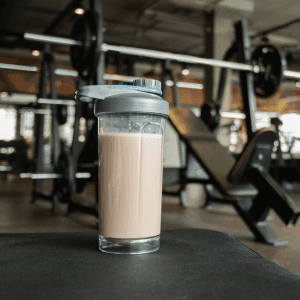
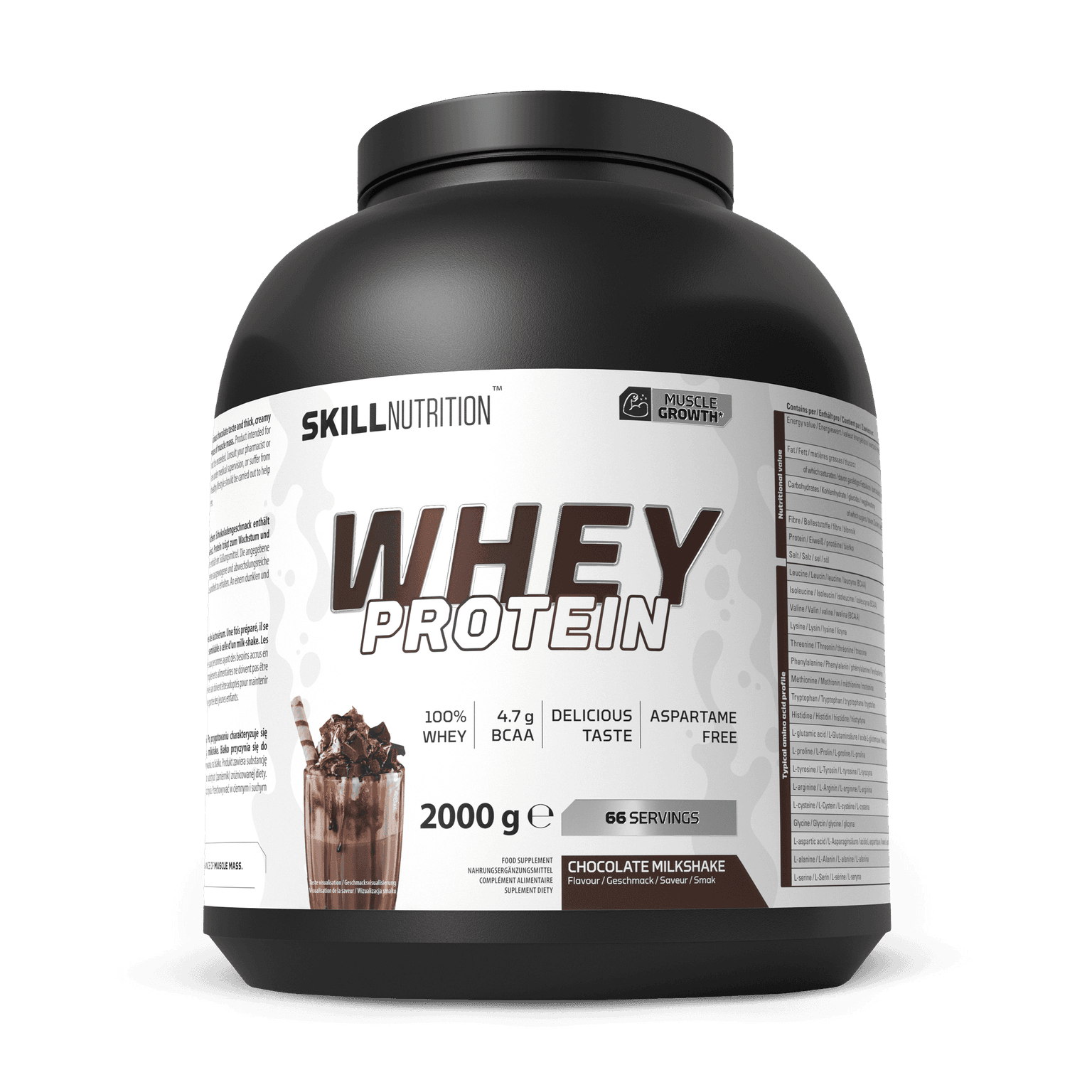
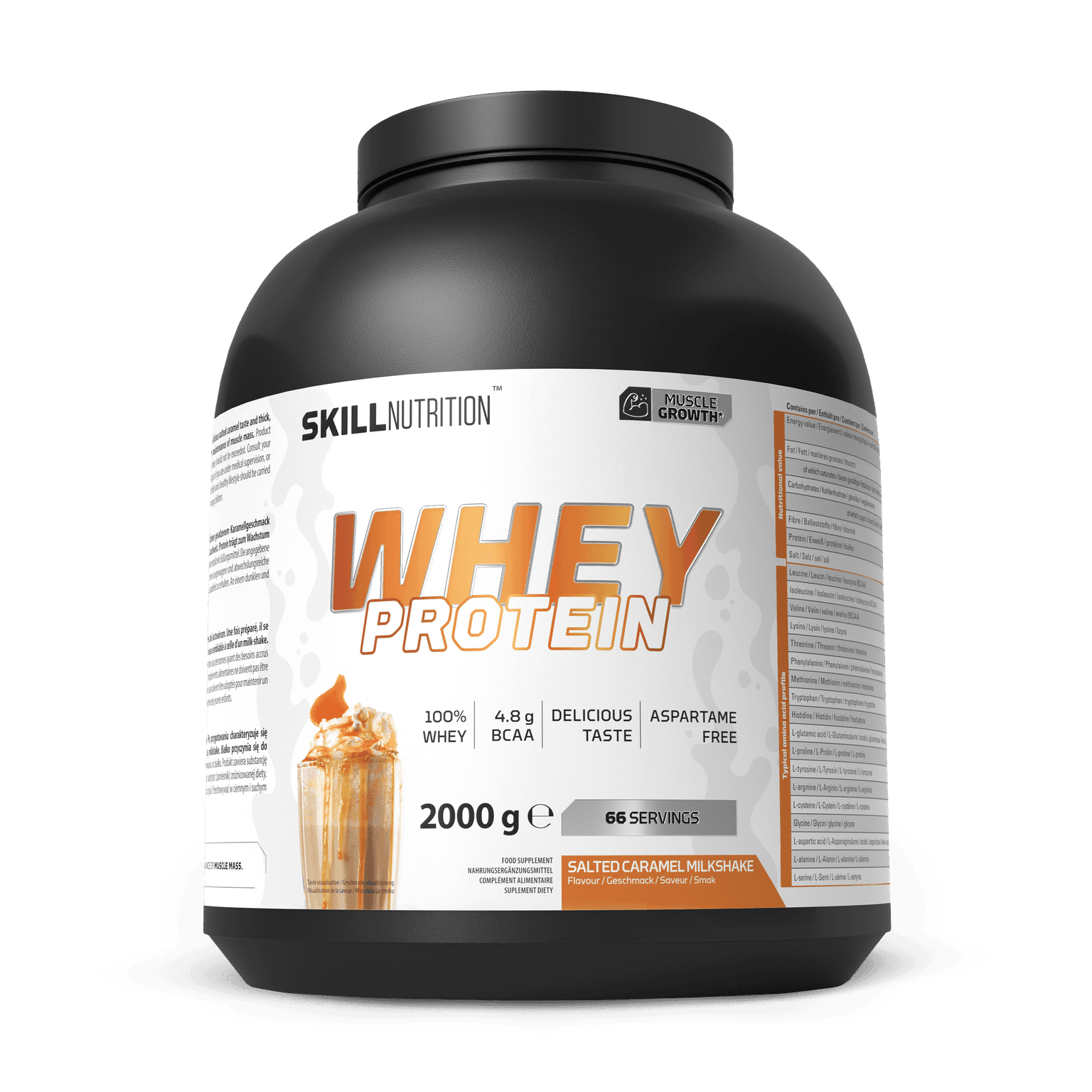
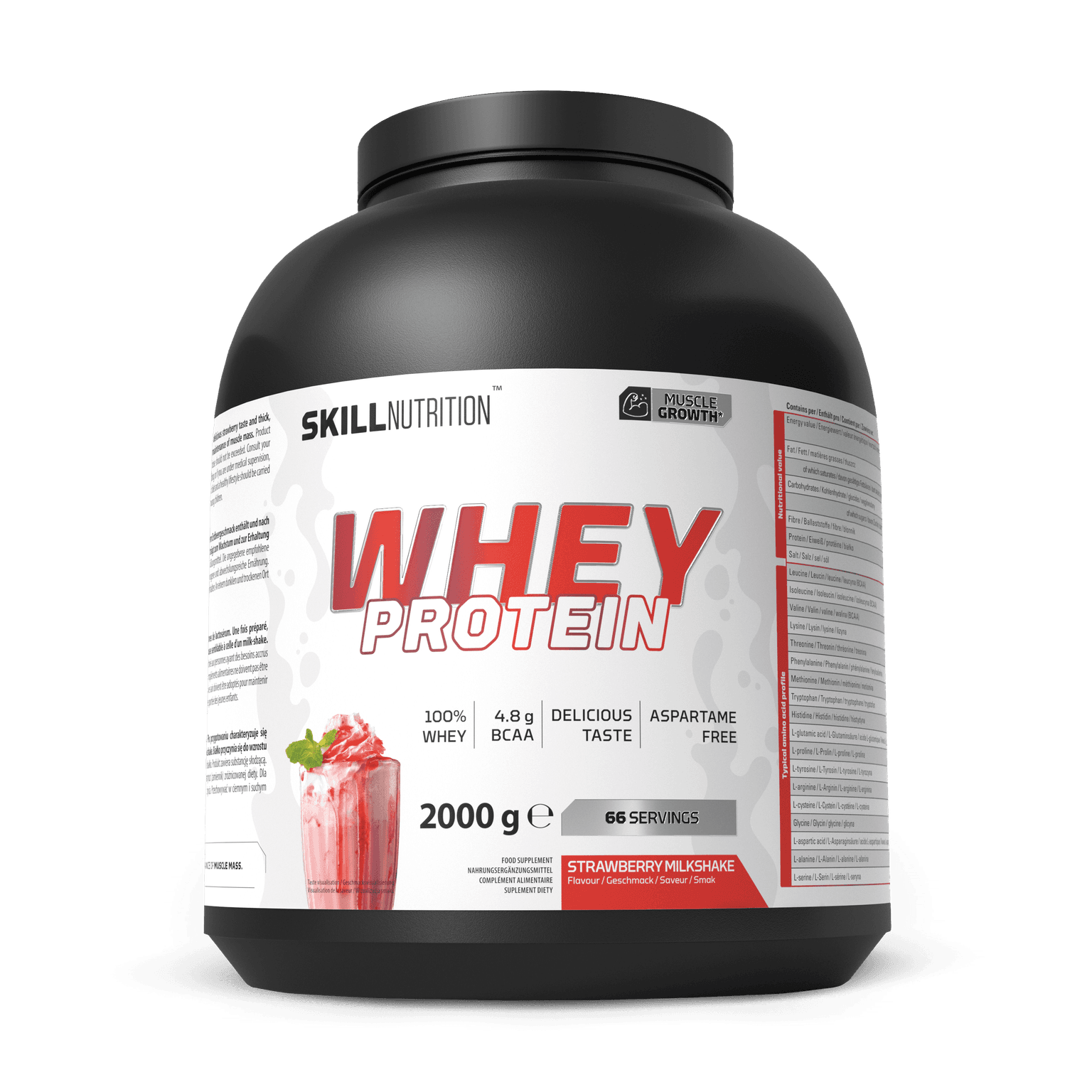
After your workout, also make sure to have a nutritious meal containing, among other things, protein. If it is difficult to get enough protein from your everyday diet, a convenient addition may be a protein supplement. Protein contributes to the growth of muscle mass and helps maintain it, which is why it is worth including it in a balanced diet [4].
Not every workout has to leave you out of breath
Zone 2 is a reminder that an effective workout is not measured solely by how much you sweat or how exhausted you feel. Easy cardio can help improve endurance, build an aerobic base, and increase your activity volume without placing excessive stress on the body. Start at a pace that allows you to talk comfortably and focus on consistency. Over time, you will discover that slower does not necessarily mean less effective.

Sources:
- Meixner B, Filipas L, Holmberg HC, Sperlich B. Zone 2 Intensity: A Critical Comparison of Individual Variability in Different Submaximal Exercise Intensity Boundaries. Transl Sports Med. 2025 Feb 23;2025:2008291. doi: 10.1155/tsm2/2008291. PMID: 40225831; PMCID: PMC11986187.
- Tanaka H, Monahan KD, Seals DR. Age-predicted maximal heart rate revisited. J Am Coll Cardiol. 2001 Jan;37(1):153-6. doi: 10.1016/s0735-1097(00)01054-8. PMID: 11153730.
- Hoppeler H, Fluck M. Plasticity of skeletal muscle mitochondria: structure and function. Med Sci Sports Exerc. 2003 Jan;35(1):95-104. doi: 10.1249/01.MSS.0000043292.99104.12. PMID: 12544642.
- Jäger R, Kerksick CM, Campbell BI, Cribb PJ, Wells SD, Skwiat TM, Purpura M, Ziegenfuss TN, Ferrando AA, Arent SM, Smith-Ryan AE, Stout JR, Arciero PJ, Ormsbee MJ, Taylor LW, Wilborn CD, Kalman DS, Kreider RB, Willoughby DS, Hoffman JR, Krzykowski JL, Antonio J. International Society of Sports Nutrition Position Stand: protein and exercise. J Int Soc Sports Nutr. 2017 Jun 20;14:20. doi: 10.1186/s12970-017-0177-8. PMID: 28642676; PMCID: PMC5477153.
Table of contents
- 1.What is Zone 2 and what does this type of workout look like?
- 2.How can you tell if you are training in Zone 2?
- 3.Why does easy cardio work?
- 4.How long should a Zone 2 workout last and how often should you do it?
- 5.What helps you stay comfortable during easy cardio?
- 6.Not every workout has to leave you out of breath
Recommended products
Read more